
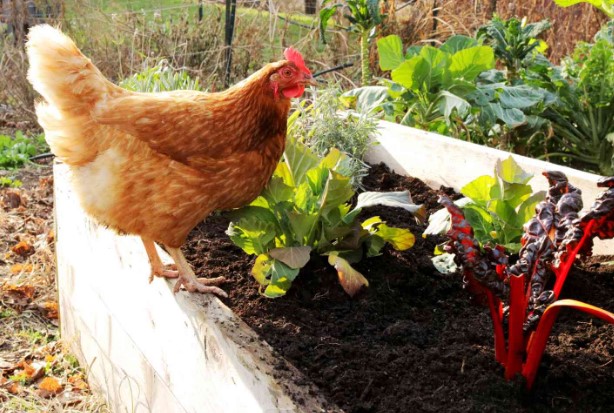
As the global demand for clean and sustainable energy sources continues to climb, poultry waste has emerged as a highly valuable resource for renewable energy generation. With millions of tons of chicken manure produced every year, much of which is underutilized or improperly disposed of, converting litter into biogas offers an efficient and eco-friendly solution. Modern innovations are transforming this process—making it faster, more efficient, and more economically viable for poultry farms and energy developers.
Why Chicken Waste Works Well for Biogas Production
Chicken manure is rich in nitrogen and organic matter, which makes it an excellent feedstock for anaerobic digestion. When placed in an oxygen-free environment, microorganisms break down the organic compounds, releasing biogas composed primarily of methane (CH₄) and carbon dioxide (CO₂). With proper treatment and upgrading, this biogas can be used for cooking, electricity generation, heating, or even compressed into bio-CNG.
Latest Innovations Enhancing Biogas Yield
1.High-Efficiency Anaerobic Digestion Digesters
New digester designs, including plug-flow and continuously stirred tanks, improve contact between microbes and input materials, speeding up methane production and making the entire process more efficient. These systems better handle high-solids waste like chicken manure, reducing processing time and increasing gas output.
2.Pretreatment Technologies for Faster Breakdown
Heat treatment, microbial seeding, enzymatic additives, and mechanical grinding help break down chicken manure fibers more quickly. By accelerating the digestion process, biogas yield increases, and plant efficiency improves significantly.
3.Integrated Fertilizer Recovery Systems
The digestate left after biogas extraction is rich in nutrients like nitrogen, phosphorus, and potassium. New systems allow farmers to convert this by-product into high-quality organic fertilizer, creating an additional revenue stream and supporting circular agriculture.
Advanced Monitoring and Gas Quality Control
Maintaining the right digestion conditions is essential for stable, high-yield biogas production. Here, modern monitoring technology plays a critical role. Biogas analyzers, such as the GASCHEK1000 portable biogas analyzer, use advanced photoelectric sensing principles to detect and analyze methane (CH₄), oxygen (O₂), carbon dioxide (CO₂), hydrogen sulfide (H₂S), and other gases. This allows real-time evaluation of gas composition, process efficiency, and digester health.

the GASCHEK1000 portable biogas analyzer
Accurate monitoring helps operators identify imbalances early, optimize feedstock input, prevent system failure, and achieve consistent methane output—critical for commercial-scale plants.
The Future of Poultry Waste-Based Biogas Technology
With innovation driving the sector forward, biogas production from chicken waste is no longer just an environmental solution—it is an energy business model. As digesters grow more efficient, analyzers become more intelligent, and waste-to-energy integration expands, poultry farms stand to reduce operating costs, cut emissions, and generate green power simultaneously.
The shift toward renewable energy is global—and chicken waste biogas is positioned to be one of the leading players in the transition.
About ChekVan Tech
Since the foundation of Chekvan Tech, it has endeavored to be an qualified manufacturer and supplier of portable biogas analyzers, online biogas monitoring system, fixed gas detectors for biogas plants around the world. We also develop and builds microflow biogas analyzer and gas blender for universities and researching facilities on biogas research.
To learn more, please don’t hesitate to contact us via email at sales@chekvan.com, or visit our website at www.chekvan.com.
 Manufacturer of biogas analyzer, landfill gas analyzer and extraction monitor, anaerobic digester gas analyzer