
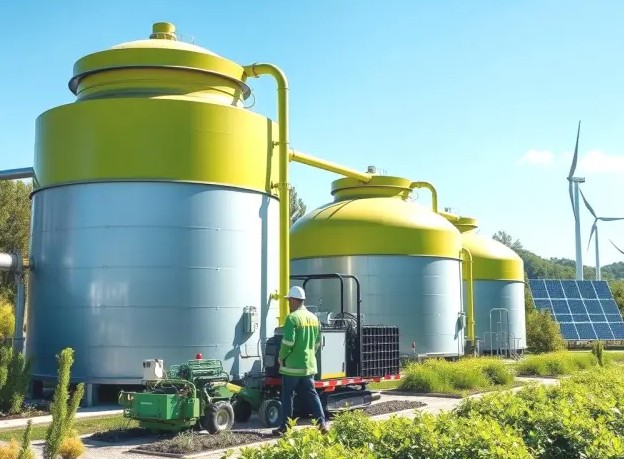
Raw biogas, produced through the anaerobic digestion of organic waste, offers a valuable renewable energy resource for farms, landfills, and industrial operations. However, before this gas can be safely used for electricity generation, heating, or upgrading to biomethane, it must undergo proper treatment. Raw biogas typically contains methane (CH₄) as the primary energy component along with carbon dioxide (CO₂), hydrogen sulfide (H₂S), moisture, oxygen (O₂), and various trace contaminants. Effective treatment solutions make biogas cleaner, safer, and more efficient—unlocking its full potential as a sustainable energy source.
1. Why Raw Biogas Treatment Is Essential
Untreated biogas poses several challenges:
- Corrosion: H₂S and moisture can severely damage engines, pipelines, and storage tanks.
- Low calorific value: High CO₂ content reduces energy output.
- Safety issues: Oxygen and impurities may cause operational risks.
- Regulatory compliance: Energy-grade biogas must meet quality standards.
Efficient treatment ensures long-term system reliability and maximizes energy yield.
2. Common Treatment Solutions Across Different Applications
Farms: Protecting Equipment and Enhancing Gas Quality
On agricultural biogas plants, raw biogas often contains high H₂S levels from manure digestion. Typical solutions include:
- H₂S removal using iron oxide, activated carbon, or biological scrubbers
- Moisture control with condensate traps and refrigeration dryers
- Upgrading systems for converting raw biogas into biomethane
By applying these technologies, farms can turn waste from livestock operations into stable, clean energy for local use or grid injection.
Landfills: Managing Complex Gas Streams
Landfill gas tends to have more varied impurities because it originates from mixed municipal waste. Treatment strategies may involve:
- Siloxane removal filters to prevent engine damage
- CO₂ scrubbing to boost methane concentration
- Advanced desulfurization systems for high H₂S loads
Continuous monitoring is especially critical in landfill applications due to fluctuating gas composition.
Industrial Plants: Ensuring High Efficiency and System Integration
Food processing facilities, slaughterhouses, distilleries, and petrochemical plants operate biogas systems that demand stable, high-performance treatment. Key technologies include:
- Multistage scrubbers for simultaneous removal of H₂S, CO₂, and moisture
- Membrane or PSA (pressure swing adsorption) units for biomethane upgrading
- Automation systems for real-time process control
Industrial biogas users typically require steady gas quality to protect CHP engines and maintain operational efficiency.
3. The Critical Role of Real-Time Monitoring
Reliable biogas treatment depends not only on mechanical solutions but also on precise gas composition monitoring. Advanced analyzers help operators understand gas quality and adjust treatment processes accordingly.
Monitoring equipment such as biogas analyzers uses advanced photoelectric sensing principles to detect methane (CH₄), oxygen (O₂), carbon dioxide (CO₂), hydrogen sulfide (H₂S), and other critical gas components.
Accurate, continuous data ensures safer operations, efficient treatment, and optimized digestion performance.
For example, the OLGA2000 biogas online monitoring system is widely used in landfill biogas power plants, petrochemical industries, coal mines, and other scenarios. It provides continuous measurement and enables remote data transmission, helping operators make real-time decisions and maintain peak system performance.
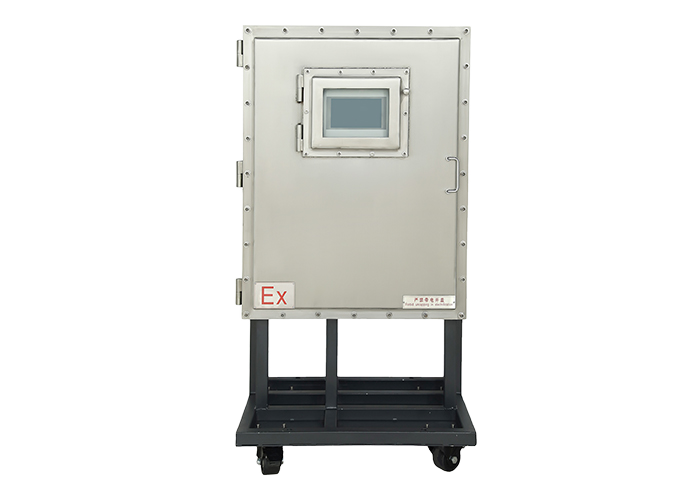
The OLGA2000 biogas online monitoring system
4. Integrating Treatment and Monitoring for Maximum Energy Recovery
A modern biogas plant—whether on a farm, landfill, or industrial site—functions best when treatment technologies and monitoring systems work together. Benefits include:
- Improved methane yield
- Reduced maintenance and operational downtime
- Extended equipment lifespan
- Compliance with safety and environmental standards
- Higher energy efficiency and revenue generation
By combining advanced treatment solutions with real-time monitoring, raw biogas can be transformed into a reliable fuel source that supports the transition to clean energy.
Raw biogas treatment is an essential step for any facility generating renewable gas from organic waste. With the right combination of purification technologies and intelligent monitoring tools like the OLGA2000 system, farms, landfills, and industrial plants can produce cleaner, safer, and more valuable biogas. As the world shifts toward sustainable energy systems, effective biogas treatment stands out as a key factor in unlocking the full benefits of this renewable resource.
About ChekVan Tech
Since the foundation of Chekvan Tech, it has endeavored to be an qualified manufacturer and supplier of portable biogas analyzers, online biogas monitoring system, fixed gas detectors for biogas plants around the world. We also develop and builds microflow biogas analyzer and gas blender for universities and researching facilities on biogas research.
To learn more, please don’t hesitate to contact us via email at sales@chekvan.com, or visit our website at www.chekvan.com.
 Manufacturer of biogas analyzer, landfill gas analyzer and extraction monitor, anaerobic digester gas analyzer