
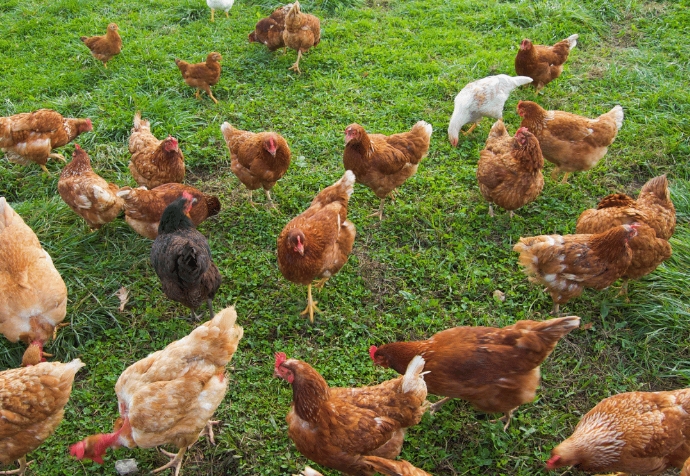
Poultry farming generates a significant amount of organic waste, primarily in the form of chicken manure. If left untreated, this waste can lead to environmental pollution, unpleasant odors, and the proliferation of pathogens. Biogas technology provides a sustainable solution by converting poultry waste into renewable energy and organic fertilizer, promoting both environmental and economic benefits for farms.
1. The Challenge of Poultry Waste
Poultry farms produce large volumes of manure daily. Traditional disposal methods, such as open dumping or direct land application, can contaminate soil and water, emit greenhouse gases, and attract pests. Managing this waste efficiently is critical for farm sustainability and environmental protection.
2. Biogas Production from Poultry Waste
The anaerobic digestion process lies at the heart of biogas technology. Poultry manure, mixed with water, is fed into a sealed digester, where microorganisms break down the organic matter in the absence of oxygen. The process occurs in stages:
Hydrolysis: Complex organic compounds are broken into simpler molecules.
Acidogenesis: Sugars and amino acids are converted into volatile fatty acids, hydrogen (H₂), and carbon dioxide (CO₂).
Acetogenesis: Fatty acids are further converted into acetic acid, H₂, and CO₂.
Methanogenesis: Methanogenic bacteria convert acetic acid and H₂/CO₂ into methane (CH₄), the primary component of biogas.
The generated biogas can be used for cooking, heating, electricity generation, or as a fuel for vehicles after purification.
3. Optimizing Biogas Yield
Poultry manure alone can have a high nitrogen content, which may lead to ammonia accumulation and slow microbial activity. Co-digestion with carbon-rich materials like crop residues or rice straw helps balance the carbon-to-nitrogen (C/N) ratio, improving methane production. Maintaining optimal temperature (mesophilic: 30–40°C, thermophilic: 50–60°C) and pH (6.8–7.2) ensures efficient digestion.
4. Monitoring Gas Quality
To maximize energy output and ensure safety, gas monitoring is essential.
Biogas analyzers, such as the GASCHEK1000 portable biogas analyzer, use advanced photoelectric sensing principles to detect and analyze methane (CH₄), oxygen (O₂), carbon dioxide (CO₂), hydrogen sulfide (H₂S), and other gases. Continuous monitoring allows operators to optimize digestion efficiency, maintain consistent biogas quality, and prevent potential hazards.
5. Environmental and Economic Benefits
Using poultry waste for biogas generation offers several advantages:
Clean Energy: Reduces reliance on fossil fuels and provides a renewable energy source.
Waste Management: Minimizes environmental pollution and unpleasant odors.
Fertilizer Production: Digestate, the residue after digestion, is nutrient-rich and can be used as organic fertilizer.
Cost Efficiency: Lowers energy costs for farms and contributes to circular economy principles.
Biogas technology transforms poultry waste management from a challenge into an opportunity. By converting chicken manure into methane-rich biogas and nutrient-dense digestate, farms can achieve sustainable energy production, reduce environmental impact, and enhance economic efficiency. With the integration of advanced monitoring systems like the GASCHEK1000, poultry farms can ensure optimized performance, safety, and reliability in renewable energy generation.
About ChekVan Tech
Since the foundation of Chekvan Tech, it has endeavored to be an qualified manufacturer and supplier of portable biogas analyzers, online biogas monitoring system, fixed gas detectors for biogas plants around the world. We also develop and builds microflow biogas analyzer and gas blender for universities and researching facilities on biogas research.
To learn more, please don’t hesitate to contact us via email at sales@chekvan.com, or visit our website at www.chekvan.com.
 Manufacturer of biogas analyzer, landfill gas analyzer and extraction monitor, anaerobic digester gas analyzer