
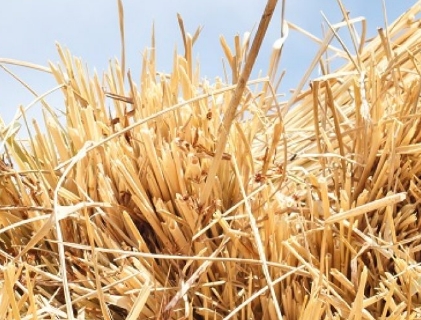
Rice straw is one of the most abundant agricultural residues worldwide, particularly in countries with large rice-producing regions. Traditionally, this residue is burned, causing air pollution and wasting a potential energy resource. Biogas production from rice straw provides an eco-friendly alternative, turning waste into valuable renewable energy. However, rice straw has a high lignocellulosic content, which can limit the efficiency of methane generation. Optimizing the production process is key to maximizing energy yield.
1. Preparing Rice Straw for Biogas Production
Before digestion, rice straw requires pre-treatment to break down complex cellulose, hemicellulose, and lignin structures:
Physical Pre-treatment: Chopping, grinding, or milling reduces particle size and increases surface area for microbial action.
Chemical Pre-treatment: Alkaline or acid treatments can help break lignin bonds, improving digestibility.
Biological Pre-treatment: Using fungi or enzymes can naturally degrade lignin and enhance biogas potential.
These pre-treatment methods increase methane yield by making carbohydrates more accessible to anaerobic bacteria.
2. Anaerobic Digestion of Rice Straw
Rice straw is fed into an anaerobic digester, where bacteria break down organic matter in the absence of oxygen. The process occurs in multiple stages:
Hydrolysis: Complex polysaccharides are broken into simpler sugars.
Acidogenesis: Sugars convert into volatile fatty acids, CO₂, and hydrogen (H₂).
Acetogenesis: Fatty acids are transformed into acetic acid, CO₂, and H₂.
Methanogenesis: Methanogenic bacteria convert acetic acid and H₂/CO₂ into methane (CH₄), producing biogas.
Maintaining optimal temperature (mesophilic: 30–40°C, thermophilic: 50–60°C) and pH (6.8–7.2) is critical for maximum methane yield.
3. Co-Digestion for Higher Efficiency
Rice straw alone has a low nitrogen content, which can slow microbial activity. Co-digestion with nitrogen-rich substrates like cow dung, poultry manure, or food waste balances the carbon-to-nitrogen (C/N) ratio, enhancing methane production. Proper substrate mixing also prevents acid accumulation, maintaining stable digestion conditions.
4. Gas Monitoring and Quality Control
To optimize biogas production, it is important to monitor gas composition and digester conditions. Biogas analyzers, such as the GASCHEK1000 portable biogas analyzer, use advanced photoelectric sensing principles to detect and analyze methane (CH₄), oxygen (O₂), carbon dioxide (CO₂), hydrogen sulfide (H₂S), and other gases. Accurate monitoring helps maximize methane output, maintain safety, and ensure efficient digestion.
5. Environmental and Economic Benefits
Producing biogas from rice straw offers multiple advantages:
Renewable Energy: Provides methane for cooking, heating, or electricity generation.
Waste Management: Reduces environmental pollution from open-field burning.
Soil Enrichment: Digestate can be used as organic fertilizer, improving soil fertility.
Cost Savings: Generates energy locally, reducing dependence on fossil fuels.
Optimizing biogas production from rice straw is an effective way to transform agricultural waste into a renewable energy source. Through proper pre-treatment, co-digestion, and advanced monitoring with tools like the GASCHEK1000 biogas analyzer, farmers and energy producers can maximize methane yield, promote sustainability, and reduce environmental impact. This approach not only addresses energy needs but also supports a circular economy by turning waste into a valuable resource.
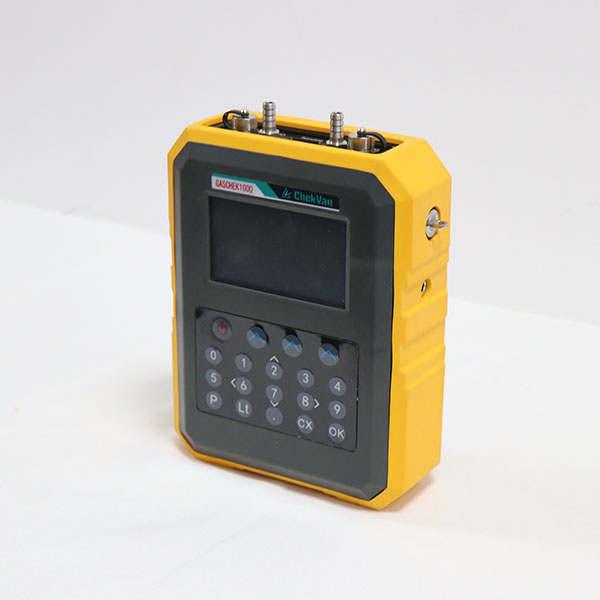
the GASCHEK1000 biogas analyzer
About ChekVan Tech
Since the foundation of Chekvan Tech, it has endeavored to be an qualified manufacturer and supplier of portable biogas analyzers, online biogas monitoring system, fixed gas detectors for biogas plants around the world. We also develop and builds microflow biogas analyzer and gas blender for universities and researching facilities on biogas research.
To learn more, please don’t hesitate to contact us via email at sales@chekvan.com, or visit our website at www.chekvan.com.
 Manufacturer of biogas analyzer, landfill gas analyzer and extraction monitor, anaerobic digester gas analyzer