
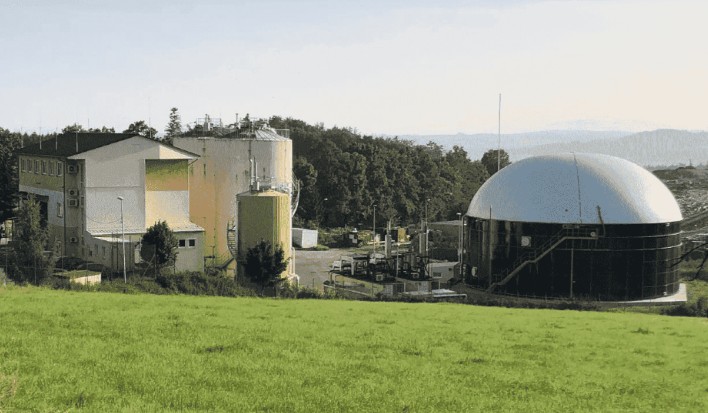
As the global energy landscape shifts toward sustainability, biogas natural technology is emerging as a key solution for clean, renewable power generation. Derived from organic waste materials, biogas offers a dual benefit—waste management and energy recovery—making it one of the most promising alternatives to fossil fuels. Recent innovations in biogas production and utilization are further enhancing its efficiency, scalability, and environmental impact.
The Concept of Biogas Natural Technology
Biogas natural technology refers to advanced systems and processes that optimize the conversion of organic matter—such as agricultural residues, food waste, and animal manure—into methane-rich gas through anaerobic digestion. This gas can be used directly for heating, electricity generation, or upgraded into biomethane, a renewable substitute for natural gas.
Modern biogas natural systems are designed to minimize greenhouse gas emissions while maximizing methane yield. Automation, smart monitoring, and improved digester materials have made these systems more reliable and cost-effective, even for small- and medium-scale operations.
Innovations Driving the Industry Forward
High-Efficiency Digesters:
New digester designs, including modular and temperature-controlled reactors, ensure more stable bacterial activity and higher biogas output. These systems can adapt to variable feedstocks, improving process consistency.
Smart Monitoring Systems:
Real-time data collection and control technologies have transformed how operators manage biogas plants. Monitoring equipment, such as biogas analyzers, plays a critical role. Devices like the GASCHEK1000 portable biogas analyzer use advanced photoelectric sensing principles to detect and analyze gases such as methane (CH₄), oxygen (O₂), carbon dioxide (CO₂), and hydrogen sulfide (H₂S). They provide precise readings that help optimize digestion efficiency and maintain safe operating conditions.

the GASCHEK1000 portable biogas analyzer
Biogas Upgrading and Purification:
Recent developments in membrane separation and pressure swing adsorption have made it easier to remove CO₂ and H₂S, producing high-purity biomethane suitable for grid injection or use as vehicle fuel.
Integration with Renewable Systems:
Hybrid systems combining biogas and solar power are being adopted to ensure a constant supply of renewable energy, even in off-grid areas. These setups balance electricity production and reduce reliance on conventional fuels.
Environmental and Economic Benefits
Adopting biogas natural technology reduces methane emissions from organic waste and cuts dependency on fossil fuels. It supports circular economy principles, where waste becomes a valuable resource. Additionally, digestate—the nutrient-rich byproduct—serves as an organic fertilizer, promoting sustainable agriculture.
Economically, decentralized biogas plants offer communities energy independence and long-term cost savings, particularly in rural or agricultural regions.
The rapid innovation in biogas natural technology marks a significant milestone in the global clean energy transition. By integrating smart systems, efficient digesters, and advanced monitoring tools like the GASCHEK1000 analyzer, biogas producers can achieve higher energy yields and lower emissions. As research and investment continue, biogas natural solutions will play an increasingly vital role in powering a sustainable, low-carbon future.
About ChekVan Tech
Since the foundation of Chekvan Tech, it has endeavored to be an qualified manufacturer and supplier of portable biogas analyzers, online biogas monitoring system, fixed gas detectors for biogas plants around the world. We also develop and builds microflow biogas analyzer and gas blender for universities and researching facilities on biogas research.
To learn more, please don’t hesitate to contact us via email at sales@chekvan.com, or visit our website at www.chekvan.com.
 Manufacturer of biogas analyzer, landfill gas analyzer and extraction monitor, anaerobic digester gas analyzer