
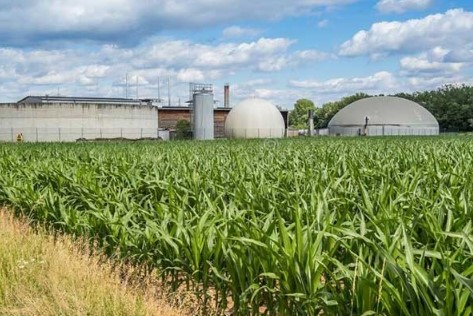
As the world transitions toward a low-carbon future, energy systems are evolving to balance sustainability, efficiency, and reliability. One promising approach is the blending of bio gas and natural gas—a hybrid energy model that combines the renewable qualities of bio gas with the infrastructure and consistency of natural gas. This integration offers a practical pathway toward cleaner energy generation and reduced greenhouse gas emissions.
1. Understanding the Difference Between Bio Gas and Natural Gas
Natural gas is a fossil fuel primarily composed of methane (CH₄) extracted from underground deposits. It has been widely used for electricity generation, industrial heating, and transportation. However, its combustion releases carbon dioxide (CO₂) that contributes to climate change.
Bio gas, on the other hand, is a renewable form of methane produced through the anaerobic digestion of organic materials—such as agricultural residues, animal manure, sewage sludge, or food waste. Since the carbon in bio gas originates from biomass, its use forms part of a short carbon cycle, making it a much cleaner energy option compared to natural gas.
2. The Benefits of Blending Bio Gas and Natural Gas
Blending bio gas into the natural gas grid provides several key advantages:
Emission Reduction: Substituting part of natural gas with renewable bio gas significantly lowers CO₂ and methane emissions.
Energy Security: Bio gas is locally produced, reducing dependence on imported fossil fuels.
Infrastructure Compatibility: Upgraded bio gas (biomethane) has similar chemical properties to natural gas, allowing easy integration into existing pipelines.
Circular Economy: It promotes waste recycling and energy recovery from organic residues, supporting sustainable community development.
3. The Role of Gas Monitoring in Blended Systems
To ensure safety and efficiency in blended gas systems, continuous gas composition monitoring is essential.

the GASCHEK1000 portable biogas analyzer
Biogas analyzers, such as the GASCHEK1000 portable biogas analyzer, use advanced photoelectric sensing principles to detect and analyze methane (CH₄), oxygen (O₂), carbon dioxide (CO₂), hydrogen sulfide (H₂S), and other gases. They accurately report gas concentration levels while effectively checking the digestion process—ensuring consistent fuel quality and safe system operation.
4. Toward a Sustainable Energy Future
Countries around the world are increasingly recognizing the potential of blending bio gas and natural gas as a transitional energy solution. By leveraging existing natural gas networks and gradually increasing the renewable gas share, governments and industries can move toward carbon neutrality without major infrastructure overhauls.
The future of green energy lies not in abandoning current systems but in transforming them. Blending bio gas with natural gas represents a smart, scalable, and economically viable approach to decarbonization. Through advanced technologies like real-time gas analysis and improved anaerobic digestion, this hybrid model can deliver reliable, sustainable, and low-carbon power for generations to come.
About ChekVan Tech
Since the foundation of Chekvan Tech, it has endeavored to be an qualified manufacturer and supplier of portable biogas analyzers, online biogas monitoring system, fixed gas detectors for biogas plants around the world. We also develop and builds microflow biogas analyzer and gas blender for universities and researching facilities on biogas research.
To learn more, please don’t hesitate to contact us via email at sales@chekvan.com, or visit our website at www.chekvan.com.
 Manufacturer of biogas analyzer, landfill gas analyzer and extraction monitor, anaerobic digester gas analyzer