
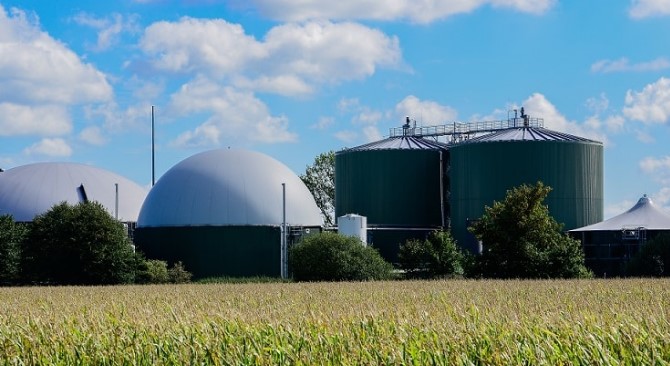
In an era where cities are struggling to manage waste and meet rising energy demands, sewage biogas plants are emerging as a sustainable and efficient solution. These systems convert organic matter found in wastewater into biogas, a renewable source of energy that can be used for electricity generation, heating, or even as a vehicle fuel.
1. The Science Behind Sewage Biogas Plants
The foundation of a sewage biogas plant lies in the anaerobic digestion process—a biological reaction where microorganisms break down organic material in the absence of oxygen. When sewage sludge is introduced into a digester, bacteria decompose it into a mixture of gases, primarily methane (CH₄) and carbon dioxide (CO₂). The methane-rich biogas can then be captured and utilized as a clean energy source, while the remaining digestate can be processed into nutrient-rich fertilizer.
2. Waste-to-Energy Conversion Process
The sewage treatment process begins by separating solids from wastewater. The collected sludge is sent to anaerobic digesters, where temperature and pressure are carefully controlled to optimize gas production. The resulting biogas is purified, dried, and then supplied to combined heat and power (CHP) units or stored for later use. This approach not only reduces dependence on fossil fuels but also minimizes greenhouse gas emissions.
3. Monitoring and Optimization for Maximum Efficiency
Accurate monitoring of gas quality is critical in sewage biogas production.
Biogas analyzers, such as the GASCHEK1000 portable biogas analyzer, use advanced photoelectric sensing principles to detect and analyze methane (CH₄), oxygen (O₂), carbon dioxide (CO₂), and hydrogen sulfide (H₂S). These devices provide real-time, precise data on gas composition and ensure that the digestion process operates efficiently and safely. By continuously analyzing these parameters, plant operators can optimize performance and prevent operational issues.

the GASCHEK1000 portable biogas analyzer
4. Environmental and Economic Benefits
Sewage biogas plants address two major urban challenges simultaneously: waste disposal and energy generation. They help reduce landfill dependency, cut methane emissions from untreated sewage, and provide a consistent energy supply to local grids or treatment facilities. Economically, municipalities benefit from lower waste management costs and reduced reliance on external energy sources.
5. A Step Toward Sustainable Cities
As cities aim for net-zero carbon targets, sewage biogas technology is becoming a cornerstone of circular economy initiatives. By converting what was once considered waste into a valuable resource, these plants contribute to energy independence, resource efficiency, and environmental preservation.
Sewage biogas plants demonstrate how innovation and sustainability can work hand in hand. Through advanced digestion technology, precise gas monitoring, and energy recovery systems, they represent a practical model for turning urban waste into clean, renewable power. As more cities invest in this technology, the vision of greener, self-sustaining urban centers moves closer to reality.
About ChekVan Tech
Since the foundation of Chekvan Tech, it has endeavored to be an qualified manufacturer and supplier of portable biogas analyzers, online biogas monitoring system, fixed gas detectors for biogas plants around the world. We also develop and builds microflow biogas analyzer and gas blender for universities and researching facilities on biogas research.
To learn more, please don’t hesitate to contact us via email at sales@chekvan.com, or visit our website at www.chekvan.com.
 Manufacturer of biogas analyzer, landfill gas analyzer and extraction monitor, anaerobic digester gas analyzer