
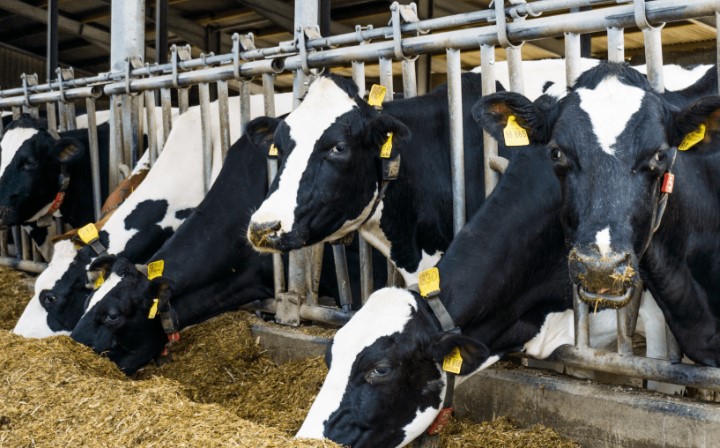
Biogas production from cow dung is a simple, cost-effective, and eco-friendly method to generate renewable energy. By converting organic waste into methane-rich biogas, farmers and households can meet their energy needs while managing waste sustainably. This step-by-step guide explains the process, from preparing cow dung to producing usable biogas.
1. Collecting and Preparing Cow Dung
The first step involves gathering fresh cow dung. Fresh manure contains high levels of organic matter, which is ideal for biogas production. The dung is usually mixed with water to form a slurry, typically in a ratio of 1:1 or 1:2 (dung to water), to create a consistent feedstock that can be easily digested in the biogas digester.
2. Feeding the Biogas Digester
The prepared slurry is then fed into a biogas digester, an airtight container where anaerobic digestion takes place. Proper filling and sealing are crucial to ensure that oxygen is excluded, as anaerobic bacteria require oxygen-free conditions to break down the organic matter effectively.
3. Anaerobic Digestion
Inside the digester, microorganisms decompose the cow dung under anaerobic conditions. This biological process occurs in several stages:
Hydrolysis: Complex organic compounds are broken down into simpler sugars, amino acids, and fatty acids.
Acidogenesis: These compounds are converted into volatile fatty acids, carbon dioxide (CO₂), hydrogen (H₂), and other by-products.
Acetogenesis: Volatile fatty acids are further converted into acetic acid, CO₂, and H₂.
Methanogenesis: Methane-producing bacteria convert acetic acid, H₂, and CO₂ into methane (CH₄) and water, generating the biogas.
The digester should maintain an optimal temperature (usually 30–40°C for mesophilic digestion) to ensure maximum bacterial activity and biogas yield.
4. Gas Collection
As methane is produced, it rises to the top of the digester and is collected in a gas holder or storage tank. This gas can then be piped to stoves, lamps, or generators for cooking, lighting, or electricity generation.
5. Using the Digestate
After digestion, the leftover slurry, called digestate, is rich in nutrients and can be used as an organic fertilizer for crops and gardens. This completes the cycle of waste-to-energy, providing both fuel and soil enrichment benefits.
6. Monitoring and Optimization
To maximize efficiency, monitoring gas composition and digester conditions is essential. Biogas analyzers, such as the GASCHEK1000 portable biogas analyzer, use advanced photoelectric sensing principles to detect methane (CH₄), oxygen (O₂), carbon dioxide (CO₂), hydrogen sulfide (H₂S), and other gases. Accurate monitoring ensures safe operations, optimal methane yield, and effective digestion.

the GASCHEK1000 portable biogas analyzer
7.Benefits of Making Biogas from Cow Dung
Renewable Energy: Provides methane for cooking, heating, and electricity.
Waste Management: Converts cow dung into useful energy, reducing environmental pollution.
Organic Fertilizer: Digestate improves soil fertility and crop yield.
Cost-Effective: Low-cost and suitable for households and farms of all sizes.
The process of making biogas from cow dung is an efficient and sustainable solution for energy production and waste management. By following these steps—from collecting dung to using biogas and digestate—farmers and households can generate clean energy while supporting environmental sustainability. With modern monitoring tools, the process becomes safer, more efficient, and highly rewarding.
About ChekVan Tech
Since the foundation of Chekvan Tech, it has endeavored to be an qualified manufacturer and supplier of portable biogas analyzers, online biogas monitoring system, fixed gas detectors for biogas plants around the world. We also develop and builds microflow biogas analyzer and gas blender for universities and researching facilities on biogas research.
To learn more, please don’t hesitate to contact us via email at sales@chekvan.com, or visit our website at www.chekvan.com.
 Manufacturer of biogas analyzer, landfill gas analyzer and extraction monitor, anaerobic digester gas analyzer