
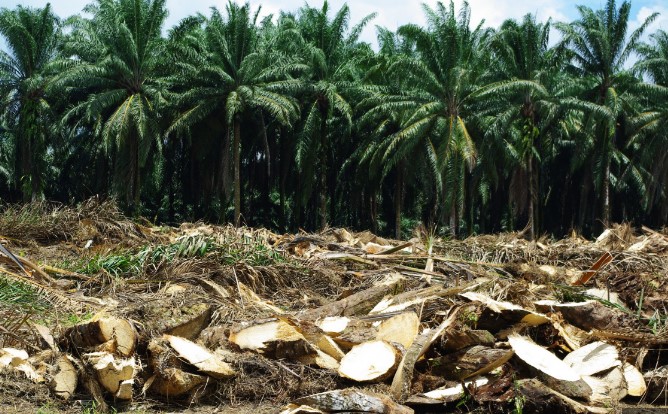
Biogas has become a cornerstone of renewable energy solutions, offering a sustainable way to convert organic waste into usable energy. Both rural and urban communities are increasingly adopting biogas to meet energy needs while addressing waste management challenges. Innovative approaches are now making biogas use more efficient, accessible, and environmentally friendly.
1. Biogas in Rural Communities
In rural areas, agriculture and livestock farming generate significant amounts of organic waste, which can be transformed into biogas. Farmers and small-scale communities are using mini biogas plants to:
Provide cooking fuel: Biogas stoves reduce dependency on firewood or LPG.
Generate electricity: Biogas-powered generators supply reliable electricity for homes and farm operations.
Enhance soil fertility: Digestate, a by-product of anaerobic digestion, can be used as organic fertilizer, promoting sustainable farming practices.
Innovative setups like flexible household biogas systems allow small-scale, low-cost installations that are easy to maintain, making renewable energy adoption more feasible for rural households.
2. Biogas in Urban Communities
Urban centers face challenges such as high organic waste generation and limited space for large-scale energy projects. Innovative urban solutions focus on:
Community biogas plants: Localized digesters process food and municipal waste, producing gas for electricity and heating in nearby neighborhoods.
Integration with public utilities: Biogas is increasingly used in district heating, municipal transport, and combined heat and power (CHP) systems.
Commercial applications: Restaurants, hotels, and markets utilize on-site biogas systems to convert kitchen waste into clean energy.
3. Smart Monitoring for Optimal Biogas Use
Efficient biogas use requires precise monitoring of gas quality and production processes. Biogas analyzers, such as the GASCHEK1000 portable biogas analyzer, employ advanced photoelectric sensing principles to detect and analyze methane (CH₄), oxygen (O₂), carbon dioxide (CO₂), hydrogen sulfide (H₂S), and other gases. Accurate, real-time monitoring ensures consistent gas quality, safe operations, and maximized energy output.
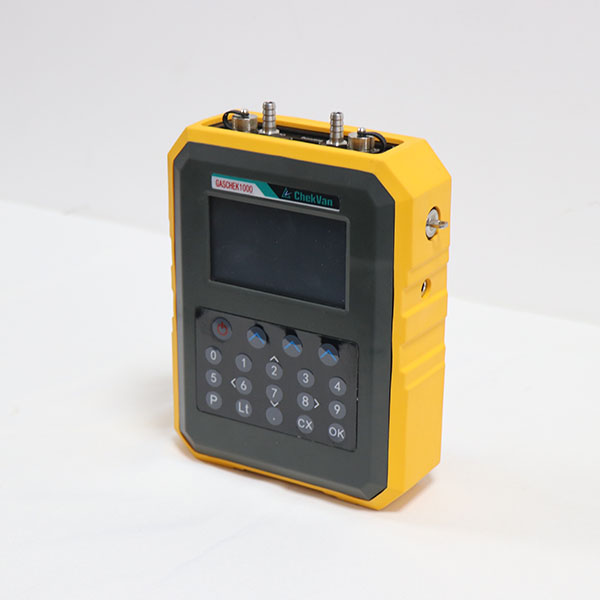
the GASCHEK1000 portable biogas analyzer
For larger urban systems, online monitoring solutions like the OLGA2000 biogas analyzer enable remote data transmission and centralized control, enhancing operational efficiency and reducing the risk of system failures.
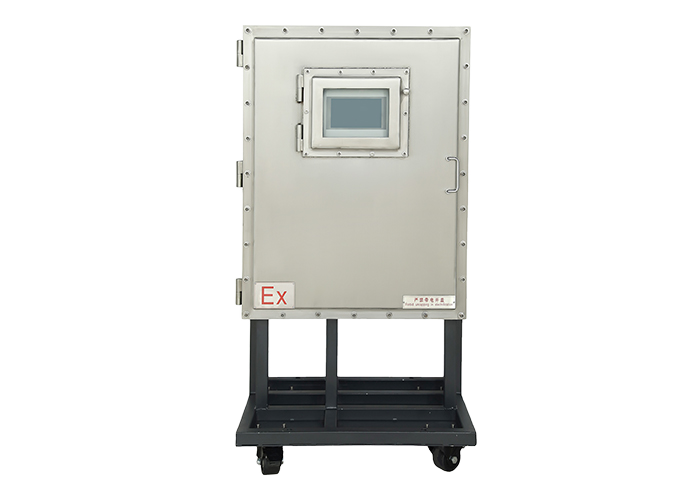
the OLGA2000 biogas analyzer
4. Integrating Biogas with Other Renewable Energy Sources
Combining biogas with solar or wind energy enhances energy reliability in both rural and urban settings. Hybrid systems allow communities to meet electricity demand more consistently while reducing dependency on fossil fuels. This integration ensures that energy is available even when solar panels underperform or during peak demand periods.
5. Benefits of Innovative Biogas Use
Sustainability: Converts organic waste into clean, renewable energy.
Energy independence: Reduces reliance on fossil fuels and grid electricity.
Environmental protection: Lowers greenhouse gas emissions from waste decomposition.
Economic opportunity: Creates jobs in biogas system installation, operation, and maintenance.
Innovative approaches to biogas use are transforming how both rural and urban communities manage waste and access renewable energy. From small household digesters to community-scale plants and smart monitoring systems, biogas provides a versatile, clean, and efficient solution for sustainable living. As technology continues to advance, the adoption of biogas will expand, helping communities achieve energy security, environmental sustainability, and economic resilience.
About ChekVan Tech
Since the foundation of Chekvan Tech, it has endeavored to be an qualified manufacturer and supplier of portable biogas analyzers, online biogas monitoring system, fixed gas detectors for biogas plants around the world. We also develop and builds microflow biogas analyzer and gas blender for universities and researching facilities on biogas research.
To learn more, please don’t hesitate to contact us via email at sales@chekvan.com, or visit our website at www.chekvan.com.
 Manufacturer of biogas analyzer, landfill gas analyzer and extraction monitor, anaerobic digester gas analyzer