
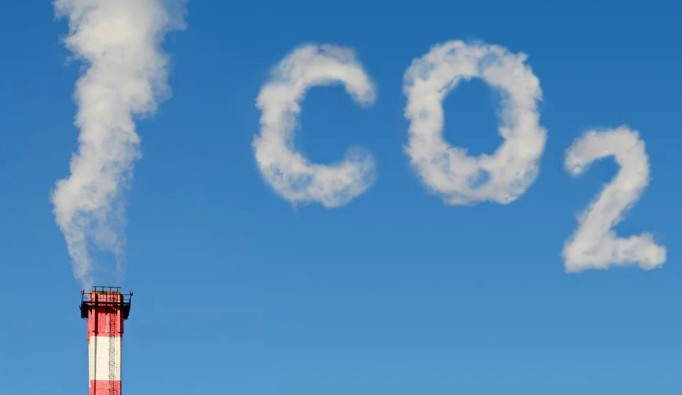
Biogas has emerged as one of the most promising renewable energy sources, providing a sustainable alternative to fossil fuels. Produced primarily through the anaerobic digestion of organic materials such as agricultural residues, animal manure, and food waste, biogas typically consists of methane (CH₄) and carbon dioxide (CO₂) as its major components. Understanding the role of CO₂ in biogas composition is essential to optimizing both its energy efficiency and its applications across various industries.
1. Composition of Biogas and the Role of CO₂
Raw biogas generally contains 50–70% methane and 30–50% carbon dioxide, along with trace amounts of hydrogen sulfide (H₂S), nitrogen, oxygen, and water vapor. While methane is the primary energy carrier, CO₂ is an inert gas that does not contribute to combustion. The proportion of CO₂ in biogas directly influences its calorific value, meaning the higher the methane concentration and the lower the CO₂ content, the more energy-dense and efficient the biogas becomes.
2. CO₂ and Energy Efficiency
High levels of CO₂ dilute the methane content, reducing the energy output when biogas is burned. For instance, biogas with 60% methane has a lower heating value compared to pure methane (natural gas). This makes CO₂ removal or reduction a crucial step in upgrading biogas to biomethane, which can then be used as a high-quality substitute for natural gas in power generation, heating, and vehicle fuel applications.
3. Techniques for Reducing CO₂ in Biogas
Modern biogas upgrading technologies are designed to separate CO₂ from methane efficiently. Common methods include:
Water Scrubbing: CO₂ dissolves in water under pressure, leaving behind a methane-rich gas.
Pressure Swing Adsorption (PSA): Uses adsorbent materials that selectively capture CO₂ molecules.
Chemical Absorption: Employs amine-based solutions to chemically bind CO₂.
Membrane Separation: Advanced polymeric membranes allow CH₄ to pass while retaining CO₂.
These methods enable the production of biomethane with methane purity exceeding 95%, suitable for injection into natural gas grids or use as compressed biomethane fuel.
4. Monitoring CO₂ Levels for Process Optimization
Accurate gas monitoring is vital during both biogas production and upgrading.
Monitoring equipment, such as biogas analyzers, uses advanced photoelectric sensing principles to detect methane (CH₄), oxygen (O₂), carbon dioxide (CO₂), hydrogen sulfide (H₂S), and other gases. For example, the OLGA2000 biogas online monitoring system can be widely used in gas monitoring in landfill biogas power plants, petrochemical industries, coal mines, and other scenarios, and can achieve remote data transmission.
This real-time monitoring ensures stable operation, optimal methane concentration, and effective management of CO₂ removal processes.

the OLGA2000 biogas online monitoring system
5. Environmental and Economic Implications
Reducing CO₂ in biogas not only improves energy efficiency but also supports carbon neutrality goals. Upgraded biomethane has a significantly lower carbon footprint than fossil fuels, contributing to climate change mitigation. Furthermore, by converting organic waste into clean energy, industries and communities can achieve both energy independence and waste management efficiency.
CO₂ plays a dual role in biogas — while it is a natural byproduct of anaerobic digestion, managing its concentration is key to maximizing energy efficiency and sustainability. Through advanced upgrading technologies and precise gas monitoring systems, the biogas industry continues to evolve toward higher performance and greener energy solutions. Understanding and optimizing the role of CO₂ in biogas is a crucial step toward a cleaner, more sustainable energy future.
About ChekVan Tech
Since the foundation of Chekvan Tech, it has endeavored to be an qualified manufacturer and supplier of portable biogas analyzers, online biogas monitoring system, fixed gas detectors for biogas plants around the world. We also develop and builds microflow biogas analyzer and gas blender for universities and researching facilities on biogas research.
To learn more, please don’t hesitate to contact us via email at sales@chekvan.com, or visit our website at www.chekvan.com.
 Manufacturer of biogas analyzer, landfill gas analyzer and extraction monitor, anaerobic digester gas analyzer