
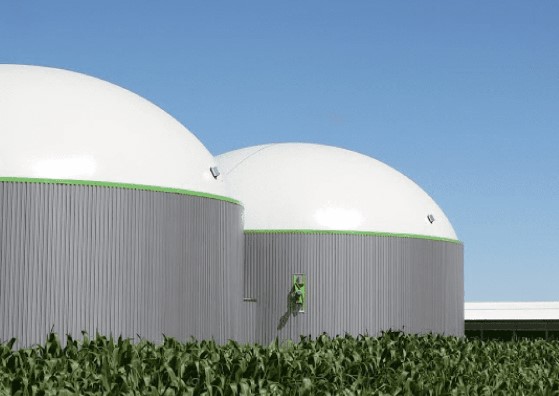
Anaerobic digestion (AD) is at the core of biogas production — a process that converts organic waste into renewable energy while simultaneously reducing environmental pollution. By breaking down organic materials such as agricultural residues, animal manure, and food waste in the absence of oxygen, anaerobic digestion produces a mixture of gases primarily composed of methane (CH₄) and carbon dioxide (CO₂). Optimizing this process is essential to increase methane yield, improve plant efficiency, and ensure economic viability.
1. Understanding the Anaerobic Digestion Process
Anaerobic digestion involves a series of biological stages — hydrolysis, acidogenesis, acetogenesis, and methanogenesis. Each stage is driven by specific microbial communities that decompose complex organic matter into simpler molecules and ultimately into methane.
Hydrolysis: Breaks down large organic molecules such as carbohydrates, fats, and proteins into soluble compounds.
Acidogenesis and Acetogenesis: Convert soluble compounds into volatile fatty acids and acetic acid.
Methanogenesis: Produces methane and carbon dioxide through the activity of methanogenic archaea.
Optimizing the conditions for each stage — such as temperature, pH, and retention time — ensures the smooth transition of substrates and maximizes gas yield.
2. Factors Affecting Methane Production Efficiency
Several key parameters influence the performance of an anaerobic digester:
Feedstock Quality: The type and composition of organic waste significantly affect methane potential. Feedstocks rich in carbohydrates and fats generally yield more methane than those high in lignin.
Temperature Control: Maintaining mesophilic (35–40°C) or thermophilic (50–55°C) conditions supports optimal microbial activity.
PH Balance: A stable pH between 6.8 and 7.4 prevents acid accumulation, which could inhibit methanogenic bacteria.
Retention Time: Longer digestion periods allow more complete breakdown of substrates, improving gas output.
3. Monitoring and Optimization Using Biogas Analyzers
To achieve consistent and efficient methane production, real-time monitoring of gas composition is crucial.
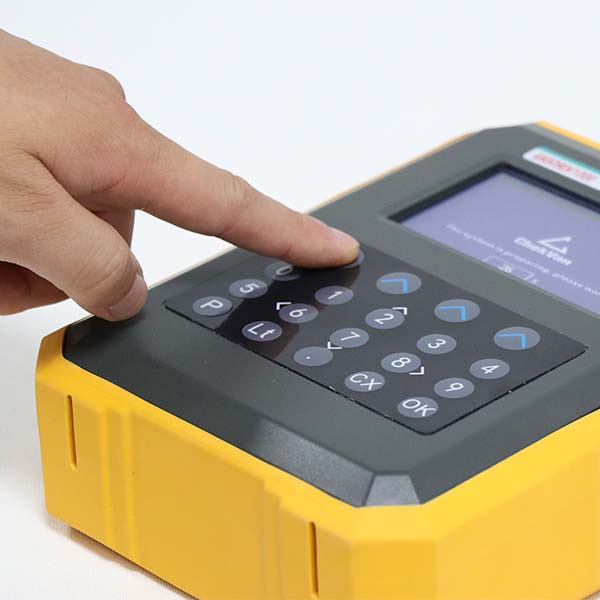
the GASCHEK1000 portable biogas analyzer
Biogas analyzers, such as the GASCHEK1000 portable biogas analyzer, use advanced photoelectric sensing principles to detect and analyze methane (CH₄), oxygen (O₂), carbon dioxide (CO₂), and hydrogen sulfide (H₂S) with high accuracy. These instruments provide detailed insight into the biogas composition, enabling operators to assess the digestion process and make timely adjustments to improve system stability and methane yield.
Accurate gas analysis also ensures that toxic levels of hydrogen sulfide or oxygen intrusion are detected early, protecting equipment and maintaining safe operation.
4. Technological Advancements in Anaerobic Digestion
Recent innovations are further improving the efficiency of biogas systems:
Co-digestion of multiple waste types increases nutrient balance and gas yield.
Pre-treatment technologies such as thermal hydrolysis and enzymatic conditioning enhance substrate digestibility.
Automated monitoring and control systems integrate biogas analyzers, temperature sensors, and flow meters for data-driven process optimization.
These advancements make anaerobic digestion more robust, predictable, and scalable — suitable for both large industrial plants and decentralized rural installations.
5. Toward a Sustainable Energy Future
Optimizing anaerobic digestion is not only about producing more methane — it’s about building a circular economy where waste becomes a resource. By combining advanced monitoring tools like the GASCHEK1000 with modern digestion technologies, biogas producers can achieve higher efficiency, lower emissions, and greater energy independence.
As nations seek sustainable alternatives to fossil fuels, improving anaerobic digestion performance will continue to play a key role in expanding renewable energy capacity and supporting global decarbonization goals.
About ChekVan Tech
Since the foundation of Chekvan Tech, it has endeavored to be an qualified manufacturer and supplier of portable biogas analyzers, online biogas monitoring system, fixed gas detectors for biogas plants around the world. We also develop and builds microflow biogas analyzer and gas blender for universities and researching facilities on biogas research.
To learn more, please don’t hesitate to contact us via email at sales@chekvan.com, or visit our website at www.chekvan.com.
 Manufacturer of biogas analyzer, landfill gas analyzer and extraction monitor, anaerobic digester gas analyzer