
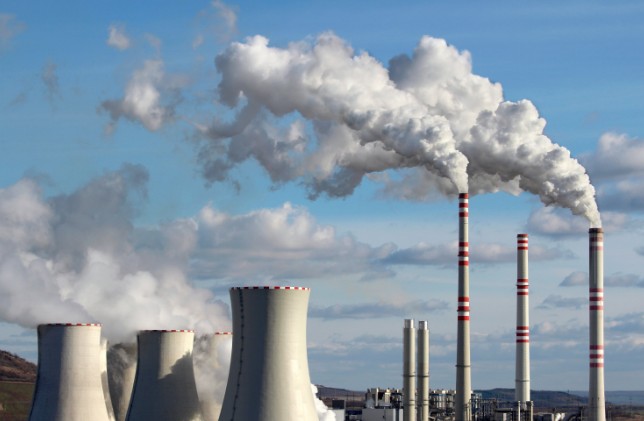
The global energy landscape is undergoing a profound shift as nations strive to reduce greenhouse gas emissions and transition toward renewable energy sources. While fossil fuels—coal, oil, and natural gas—have powered industrialization for centuries, their environmental and economic drawbacks have become increasingly evident. Biogas, a renewable energy derived from organic waste, is emerging as a sustainable alternative capable of addressing energy needs while mitigating environmental impact.
Understanding Biogas
Biogas is produced through the anaerobic digestion of organic materials such as agricultural residues, food waste, sewage sludge, and animal manure. The process generates a mixture of gases, primarily methane (CH₄) and carbon dioxide (CO₂), which can be captured and used as fuel for cooking, electricity generation, heating, or even upgraded to biomethane for vehicle use.
Unlike fossil fuels, which require extensive extraction and transportation processes that release large quantities of carbon dioxide and other pollutants, biogas harnesses waste materials that would otherwise decompose and release greenhouse gases naturally.
Advantages Over Fossil Fuels
Renewable and Sustainable – Biogas production relies on continuously replenishable organic waste, whereas fossil fuels are finite and non-renewable.
Lower Carbon Footprint – Using biogas reduces net carbon emissions since the methane captured would otherwise escape into the atmosphere from decomposing waste.
Waste Management – Biogas production turns organic waste into energy, reducing landfill use and minimizing environmental pollution.
Local Energy Security – Communities can produce biogas locally, decreasing dependence on imported fossil fuels and improving energy resilience.
Monitoring Biogas for Efficiency and Safety
Effective biogas production requires careful monitoring to maintain stable gas quality and maximize energy output. During the biogas production process, the required equipment is a biogas analyzer, which uses advanced photoelectric sensing principles to detect and analyze methane (CH₄), oxygen (O₂), carbon dioxide (CO₂), hydrogen sulfide (H₂S), and other gases. This ensures safe operation, optimal digestion efficiency, and consistent fuel quality.
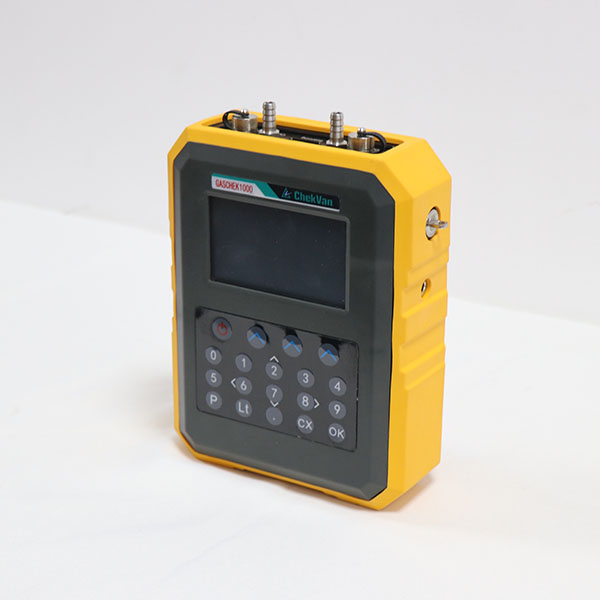
GASCHEK1000 portable biogas analyzer
Challenges and Considerations
While biogas presents a cleaner alternative, scaling up production requires investment in digesters, gas upgrading systems, and monitoring equipment. Additionally, energy density and storage can be limiting factors compared to fossil fuels. However, technological advancements and government incentives are increasingly addressing these challenges, making biogas an economically viable and environmentally responsible choice.
Transitioning from fossil fuels to biogas offers a cleaner, renewable path toward energy security. By utilizing waste as a resource, reducing greenhouse gas emissions, and enhancing local energy resilience, biogas represents a sustainable complement or replacement for conventional fossil fuels. With proper monitoring and technological support, biogas can play a central role in building a greener, more secure energy future.
About ChekVan Tech
Since the foundation of Chekvan Tech, it has endeavored to be an qualified manufacturer and supplier of portable biogas analyzers, online biogas monitoring system, fixed gas detectors for biogas plants around the world. We also develop and builds microflow biogas analyzer and gas blender for universities and researching facilities on biogas research.
To learn more, please don’t hesitate to contact us via email at sales@chekvan.com, or visit our website at www.chekvan.com.
 Manufacturer of biogas analyzer, landfill gas analyzer and extraction monitor, anaerobic digester gas analyzer