
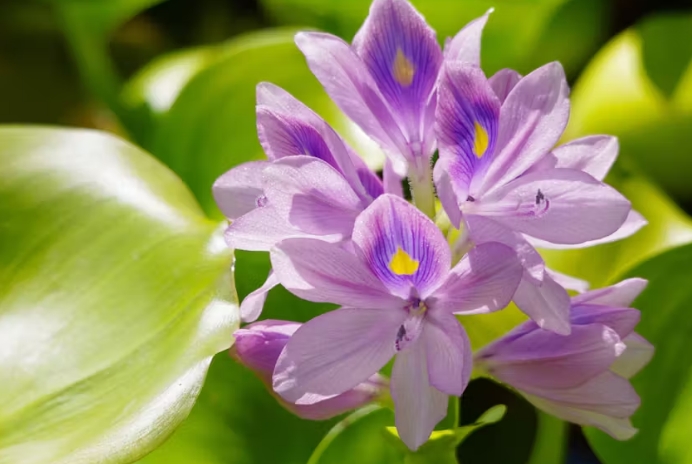
Water hyacinth, often considered one of the most problematic invasive aquatic plants, clogs waterways, disrupts ecosystems, and impacts fishing and agriculture. While it poses serious challenges for communities that depend on rivers and lakes, this fast-growing plant also represents a valuable untapped resource for renewable energy. By converting water hyacinth into biogas, rural communities can not only manage this environmental nuisance but also gain access to clean, sustainable fuel.
Turning a Problem into a Resource
Water hyacinth is rich in cellulose and hemicellulose, which makes it suitable for anaerobic digestion — the biological process in which organic matter is broken down by microorganisms in the absence of oxygen. Through this process, the plant is transformed into biogas, a renewable mixture primarily composed of methane (CH₄) and carbon dioxide (CO₂).
For rural communities, where access to modern energy sources is often limited or expensive, water hyacinth biogas offers a dual solution: reducing the spread of the invasive weed while providing energy for cooking, lighting, and even electricity generation.
The Process of Biogas Production from Water Hyacinth
Harvesting and Pre-treatment – Water hyacinth is collected from lakes, rivers, or ponds and chopped into smaller pieces to increase the surface area for microbial activity.
Anaerobic Digestion – The chopped biomass is fed into a digester, where microorganisms break it down to release methane-rich biogas.
Gas Collection and Use – The produced gas can be stored and used directly for household energy needs or processed further for electricity generation.
By-Products – The leftover slurry from the digester can serve as an organic fertilizer, enhancing soil fertility and reducing dependence on chemical fertilizers.
Supporting Technology for Efficiency
To ensure the efficiency and safety of biogas systems, reliable monitoring is essential. Monitoring equipment such as biogas analyzers plays a crucial role in this process. A biogas analyzer uses advanced photoelectric sensing principles to detect and analyze methane (CH₄), oxygen (O₂), carbon dioxide (CO₂), hydrogen sulfide (H₂S), and other gases. This ensures accurate reporting of gas quality while providing insight into the health of the digestion process.

GASCHEK1000 portable biogas analyzer
By using such tools, communities and project developers can optimize gas yields, minimize risks from harmful gases, and maintain consistent energy output.
Benefits for Rural Communities
Affordable Energy Access – Provides households with a renewable source of cooking fuel and electricity.
Environmental Protection – Reduces the spread of invasive water hyacinth, restoring aquatic ecosystems.
Waste-to-Resource Model – Turns a harmful plant into a valuable energy source and fertilizer.
Empowerment and Sustainability – Strengthens rural energy independence and supports sustainable development goals.
Biogas from water hyacinth demonstrates how innovation and sustainability can go hand in hand. For rural communities struggling with energy shortages and environmental challenges, this approach offers a transformative solution. By combining effective biomass utilization with modern monitoring equipment, biogas from water hyacinth can help turn an ecological problem into an opportunity for clean, renewable, and community-driven energy.
About ChekVan Tech
Since the foundation of Chekvan Tech, it has endeavored to be an qualified manufacturer and supplier of portable biogas analyzers, online biogas monitoring system, fixed gas detectors for biogas plants around the world. We also develop and builds microflow biogas analyzer and gas blender for universities and researching facilities on biogas research.
To learn more, please don’t hesitate to contact us via email at sales@chekvan.com, or visit our website at www.chekvan.com.
 Manufacturer of biogas analyzer, landfill gas analyzer and extraction monitor, anaerobic digester gas analyzer