
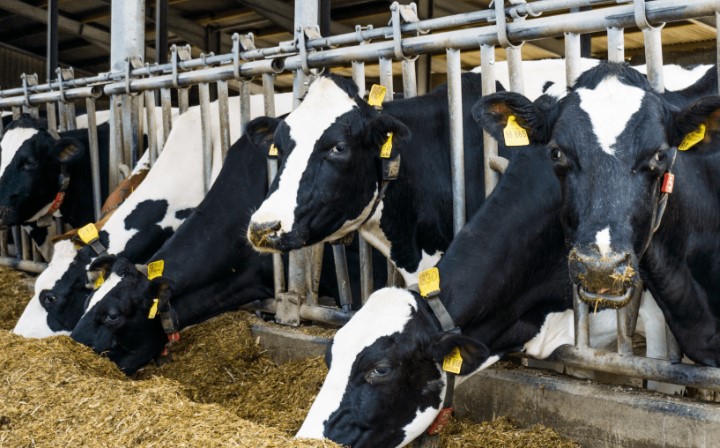
Biogas has emerged as one of the most promising renewable energy sources for both rural and urban communities. Among the different feedstocks used to generate biogas, cow dung stands out due to its abundance, ease of collection, and high energy potential. By converting organic waste into usable energy, the process of making biogas from cow dung not only supports sustainable power generation but also provides an eco-friendly solution for waste management.
The Process of Making Biogas from Cow Dung
Collection of Cow Dung
Fresh cow dung is collected from farms and mixed with water to form a slurry. This mixture ensures better flow and breakdown of organic material inside the digester.
Feeding into the Digester
The slurry is poured into an anaerobic digester, a sealed tank designed to exclude oxygen. This environment is crucial, as it allows anaerobic bacteria to thrive and break down the organic matter.
Anaerobic Digestion
Inside the digester, microbes decompose the cow dung through four stages: hydrolysis, acidogenesis, acetogenesis, and methanogenesis. During this process, methane (CH₄), carbon dioxide (CO₂), and trace gases are produced.
Gas Collection
The resulting biogas accumulates at the top of the digester and can be piped out for various uses, including cooking, heating, and generating electricity.
Utilization of By-Products
The remaining slurry, known as digestate, is rich in nutrients and can be used as an organic fertilizer, closing the loop in sustainable farming.
Role of Technology in Biogas Production
Efficient and safe operation of biogas plants requires continuous monitoring of gas composition. Biogas analyzers, such as the GASCHEK1000 portable biogas analyzer, use advanced photoelectric sensing principles to detect and analyze methane (CH₄), oxygen (O₂), carbon dioxide (CO₂), hydrogen sulfide (H₂S), and other gases. These devices provide accurate reporting while effectively checking the digestion process, ensuring stability, safety, and maximum gas yield.
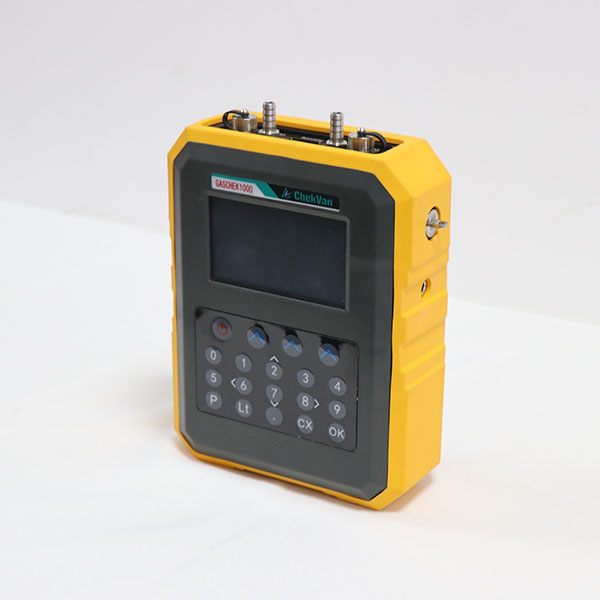
GASCHEK1000 portable biogas analyzer
Contribution to Renewable Energy Production
The production of biogas from cow dung plays a crucial role in advancing renewable energy goals:
Clean Energy Source: Biogas reduces dependence on fossil fuels and lowers greenhouse gas emissions.
Rural Energy Access: It offers farmers and rural households a reliable source of cooking fuel and electricity.
Waste Management: It transforms agricultural waste into energy and fertilizer, minimizing environmental pollution.
Circular Economy: By recycling waste into valuable resources, biogas plants support sustainable development.
The process of making biogas from cow dung is a practical and sustainable method for producing renewable energy. With the integration of modern monitoring technologies like portable biogas analyzers, efficiency and safety can be significantly enhanced. As more communities adopt this eco-friendly approach, biogas will continue to play a vital role in achieving energy independence and environmental sustainability.
About ChekVan Tech
Since the foundation of Chekvan Tech, it has endeavored to be an qualified manufacturer and supplier of portable biogas analyzers, online biogas monitoring system, fixed gas detectors for biogas plants around the world. We also develop and builds microflow biogas analyzer and gas blender for universities and researching facilities on biogas research.
To learn more, please don’t hesitate to contact us via email at sales@chekvan.com, or visit our website at www.chekvan.com.
 Manufacturer of biogas analyzer, landfill gas analyzer and extraction monitor, anaerobic digester gas analyzer