

Efficient biogas production depends on maintaining a stable digestion process, where microorganisms convert organic material into methane-rich gas. One of the most widely used indicators for ensuring this stability is the FOS TAC ratio. By monitoring the balance between volatile organic acids (FOS) and total inorganic carbon (TAC), plant operators can assess the health of the anaerobic digestion process and make timely adjustments to optimize performance.
What is the FOS TAC Ratio?
The FOS TAC ratio is a measure of the balance between acids produced during fermentation and the buffering capacity of the system.
FOS (Volatile Organic Acids): Produced when organic matter is broken down. High FOS levels can indicate over-acidification, which may inhibit methane-producing bacteria.
TAC (Total Alkalinity): Represents the system’s ability to neutralize acids, acting as a buffer to maintain stable pH levels.
A healthy FOS TAC ratio typically ranges from 0.3 to 0.5. Ratios above this level may signal instability, requiring operators to reduce feedstock input or adjust process parameters.
Why FOS TAC Monitoring Matters
Maintaining the right FOS TAC ratio helps biogas plants:
Prevent acidification and system crashes.
Optimize methane yield by ensuring stable microbial activity.
Reduce downtime and costly interventions caused by process imbalances.
Improve overall efficiency, leading to higher energy production.
Role of Monitoring Equipment in Biogas Plants
While FOS TAC ratio measurements give insight into digestion stability, monitoring the composition of the produced gas is equally important. Monitoring equipment, such as a biogas analyzer, plays a critical role in this process. These devices use advanced photoelectric sensing principles to detect methane (CH₄), oxygen (O₂), carbon dioxide (CO₂), hydrogen sulfide (H₂S), and other gases. For example, the OLGA2000 biogas online monitoring system can be widely used in gas monitoring in landfill biogas power plants, petrochemical industries, coal mines, and other scenarios, and can achieve remote data transmission.
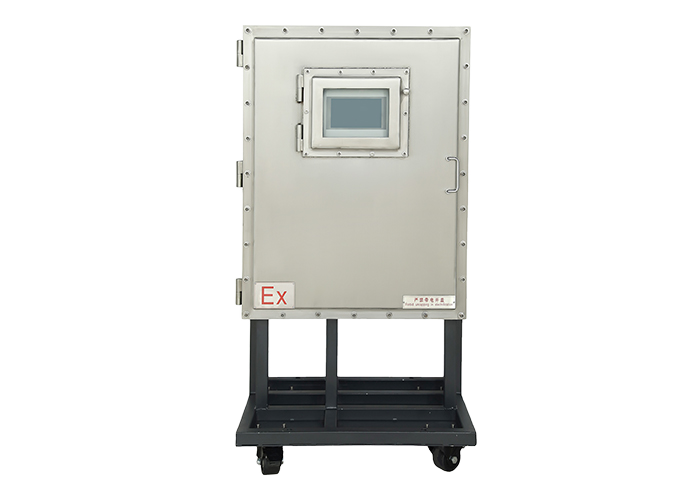
the OLGA2000 biogas analyzer
Integrating both FOS TAC ratio analysis and real-time gas monitoring gives operators a complete picture of plant performance, enabling proactive management and higher efficiency.
Optimizing Biogas Plant Performance
To fully optimize performance, operators should:
Regularly measure the FOS TAC ratio to prevent process instability.
Incorporate gas monitoring systems for real-time analysis of biogas quality.
Adjust feedstock input and mixing based on monitoring results to ensure consistent microbial activity.
Leverage remote monitoring to streamline operations and improve response times.
The FOS TAC ratio is a vital indicator of digestion stability, providing biogas plant operators with valuable insights into the health of their system. When combined with advanced gas monitoring tools, it allows for optimized performance, reduced risk of system failure, and enhanced renewable energy production. By paying close attention to both biological and technical parameters, operators can ensure their plants remain efficient, stable, and sustainable.
About ChekVan Tech
Since the foundation of Chekvan Tech, it has endeavored to be an qualified manufacturer and supplier of portable biogas analyzers, online biogas monitoring system, fixed gas detectors for biogas plants around the world. We also develop and builds microflow biogas analyzer and gas blender for universities and researching facilities on biogas research.
To learn more, please don’t hesitate to contact us via email at sales@chekvan.com, or visit our website at Chekvan.
 Manufacturer of biogas analyzer, landfill gas analyzer and extraction monitor, anaerobic digester gas analyzer