
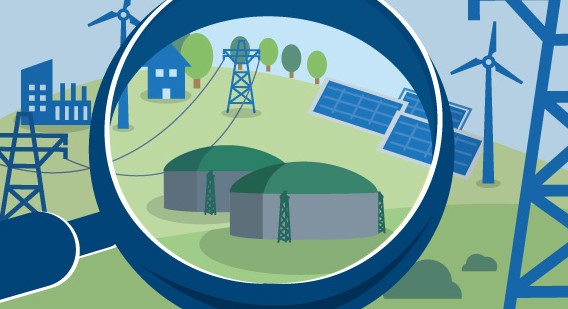
As the global energy sector undergoes a transformative shift toward sustainable solutions, biogas has emerged as a vital contributor to the renewable energy mix. By converting organic waste into usable energy, biogas energy production offers a practical, eco-friendly pathway to reduce dependence on fossil fuels while simultaneously managing agricultural, municipal, and industrial waste.
The Importance of Biogas in Renewable Energy
Biogas is produced through anaerobic digestion, a natural process in which microorganisms break down organic matter such as manure, crop residues, food scraps, and wastewater. The result is a gas mixture primarily composed of methane (CH₄) and carbon dioxide (CO₂), with small amounts of other gases. Because methane can be used as a direct fuel for heating, electricity generation, or upgrading into biomethane for transport, biogas represents a versatile and renewable alternative to conventional fuels.
In the context of global climate goals, biogas is not just a waste management solution but also a way to reduce greenhouse gas emissions. Methane, a potent greenhouse gas, is captured and utilized instead of being released into the atmosphere, making biogas production both an environmental safeguard and an energy solution.
Ensuring Efficiency with Monitoring Equipment
The efficiency and reliability of biogas energy production heavily depend on precise monitoring of gas composition. Monitoring equipment plays a central role in optimizing plant performance and ensuring safety. Biogas analyzers, which use advanced photoelectric sensing principles to detect methane (CH₄), oxygen (O₂), carbon dioxide (CO₂), hydrogen sulfide (H₂S), etc., are indispensable in this process. For example, the OLGA2000 biogas online monitoring system can be widely used in gas monitoring in landfill biogas power plants, petrochemical industries, coal mines and other scenarios, and can achieve remote data transmission.
By providing accurate real-time data, analyzers allow operators to maintain optimal digestion conditions, prevent system failures, and maximize methane yield.
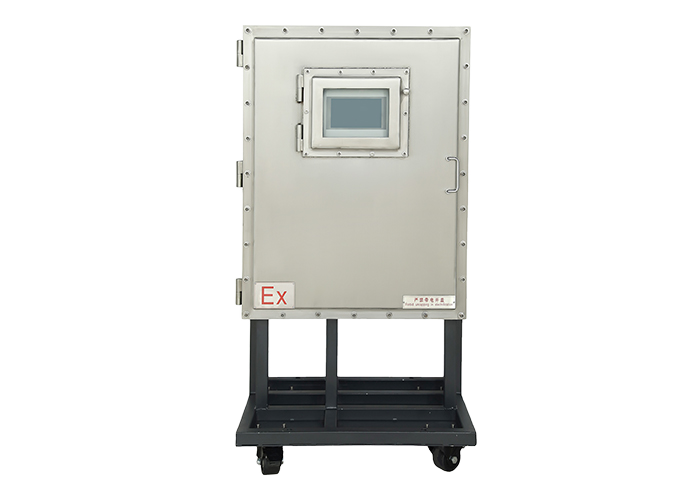
the OLGA2000 biogas analyzer
Biogas as a Catalyst for Energy Transition
Biogas energy production addresses multiple challenges simultaneously:
Energy Security: By decentralizing energy generation, biogas reduces dependence on centralized fossil-fuel-based systems.
Circular Economy: Organic waste is transformed into valuable energy and digestate, which can be used as biofertilizer in agriculture.
Carbon Reduction: The use of biogas mitigates greenhouse gas emissions while replacing fossil fuels in heat, power, and transport.
Looking Ahead
As nations ramp up efforts to meet renewable energy targets, the role of biogas will continue to expand. With advancements in digester design, gas upgrading technologies, and reliable monitoring systems, biogas energy production is poised to become a cornerstone of sustainable energy infrastructure worldwide.
In short, biogas is not only a clean fuel—it is a bridge to a resilient, circular, and low-carbon future.
About ChekVan Tech
Since the foundation of Chekvan Tech, it has endeavored to be an qualified manufacturer and supplier of portable biogas analyzers, online biogas monitoring system, fixed gas detectors for biogas plants around the world. We also develop and builds microflow biogas analyzer and gas blender for universities and researching facilities on biogas research.
To learn more, please don’t hesitate to contact us via email at sales@chekvan.com, or visit our website at Chekvan.
 Manufacturer of biogas analyzer, landfill gas analyzer and extraction monitor, anaerobic digester gas analyzer