
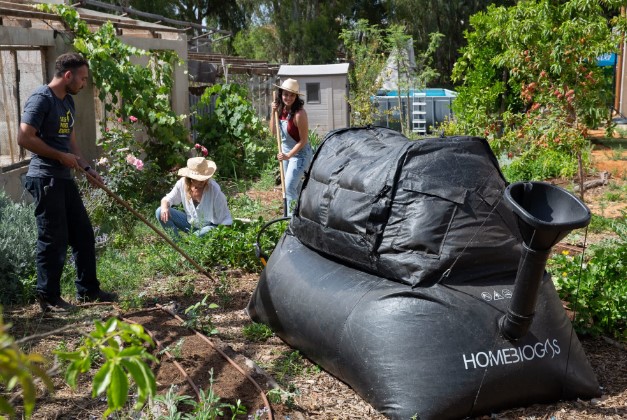
As the world moves toward cleaner and more sustainable energy solutions, households are also exploring renewable technologies to reduce their carbon footprint and cut down on energy costs. One such innovation is the mini biogas plant for home, a compact system designed to transform everyday kitchen waste into usable cooking fuel and electricity. By converting organic waste into energy, these systems not only promote sustainability but also reduce household dependence on fossil fuels.
How a Mini Biogas Plant Works
A mini biogas plant functions through anaerobic digestion, a natural process where microorganisms break down organic waste in the absence of oxygen. Items such as leftover food, vegetable peels, and other biodegradable kitchen scraps are placed in a sealed digester. Over time, the breakdown of these materials generates a mixture of gases, primarily methane (CH₄) and carbon dioxide (CO₂), collectively known as biogas.
This gas can then be used directly for cooking or, with additional equipment, for generating electricity. The byproduct, called digestate, is a nutrient-rich slurry that can be used as an organic fertilizer in home gardens, creating a closed-loop cycle of waste-to-energy-to-soil enrichment.
Ensuring Safe and Efficient Operation
While mini biogas plants are designed for simplicity and home use, monitoring the quality of gas production is essential for both safety and efficiency. Biogas analyzers, such as the GASCHEK1000 portable biogas analyzer, use advanced photoelectric sensing principles to detect and analyze methane (CH₄), oxygen (O₂), carbon dioxide (CO₂), hydrogen sulfide (H₂S), and other gases. They provide accurate readings and effectively monitor the digestion process, ensuring that the system is working properly and safely.
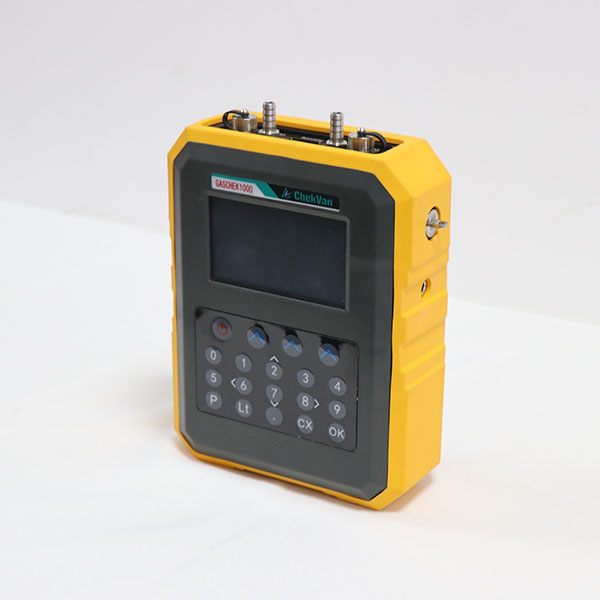
GASCHEK1000 portable biogas analyzer
By using such monitoring tools, homeowners can maintain the right balance inside the digester, avoid excessive levels of harmful gases like hydrogen sulfide, and optimize methane output for maximum energy generation.
Benefits of a Home Biogas Plant
Waste Reduction – Kitchen and garden waste are turned into useful energy, minimizing household garbage.
Cost Savings – Reduces dependence on LPG or grid electricity, lowering monthly bills.
Renewable Energy – Provides a clean, sustainable energy source directly at home.
Fertilizer Production – The digestate byproduct supports organic farming and home gardening.
Environmental Protection – Reduces methane emissions from waste, contributing to climate change mitigation.
A Step Toward Sustainable Living
A mini biogas plant for home use is not just an energy solution—it’s a lifestyle change. It empowers households to contribute directly to the renewable energy movement while promoting a greener, more circular economy. Combined with proper monitoring technology, these systems can operate safely and efficiently, making them a practical choice for eco-conscious families around the world.
 Manufacturer of biogas analyzer, landfill gas analyzer and extraction monitor, anaerobic digester gas analyzer