

Biogas production has become a cornerstone of renewable energy systems, offering a sustainable way to convert organic waste into a valuable energy source. However, the composition of biogas plant gases presents unique challenges when it comes to purification and upgrading. Ensuring the gas mixture is clean and efficient for electricity generation, heat production, or conversion into biomethane requires advanced technologies and monitoring solutions.
Composition of Biogas Plant Gases
Biogas primarily consists of methane (CH₄) and carbon dioxide (CO₂), with small amounts of hydrogen sulfide (H₂S), oxygen (O₂), water vapor, and trace gases. The exact composition depends on the feedstock used (e.g., agricultural waste, food waste, or wastewater sludge) and the digestion process. While methane is the desired component for energy production, impurities like CO₂ and H₂S reduce efficiency and can damage engines or pipelines if not properly removed.
Challenges in Purification
Carbon Dioxide Removal – CO₂ must be separated to increase the calorific value of biogas. Methods such as water scrubbing, membrane separation, or chemical absorption are commonly applied but can be costly.
Hydrogen Sulfide Elimination – Even small amounts of H₂S are corrosive and toxic. Removing it requires adsorption materials like activated carbon or biological treatment systems.
Moisture and Trace Contaminants – Water vapor, siloxanes, and other minor compounds can hinder combustion and must be filtered out.
Consistency of Gas Quality – Feedstock variability often leads to fluctuations in gas composition, making continuous monitoring and adjustment essential.
Upgrading Biogas to Biomethane
To inject biogas into natural gas grids or use it as vehicle fuel, it must be upgraded to biomethane with a methane concentration of over 95%. This process involves advanced purification systems and strict quality control. The upgraded biomethane can then substitute fossil natural gas, contributing to decarbonization and energy independence.
The Role of Monitoring Equipment
Effective gas monitoring is crucial to ensure safe and efficient biogas purification. Monitoring equipment, such as biogas analyzers, uses advanced photoelectric sensing principles to detect methane (CH₄), oxygen (O₂), carbon dioxide (CO₂), hydrogen sulfide (H₂S), and other gases. For example, the OLGA2000 biogas online monitoring system is widely used in landfill biogas power plants, petrochemical industries, coal mines, and other scenarios. It not only ensures accurate gas analysis but also enables remote data transmission, allowing operators to optimize the purification and upgrading process in real time.
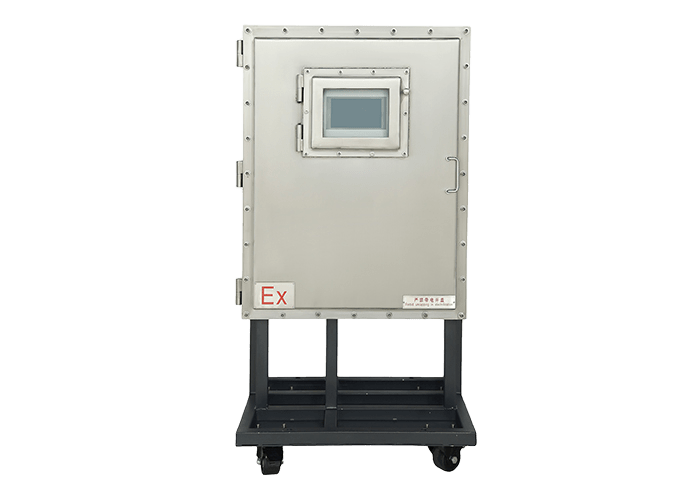
the OLGA2000 biogas analyzer
While biogas plants play a vital role in the renewable energy transition, the composition of biogas plant gases creates significant challenges in purification and upgrading. Addressing these challenges requires reliable purification systems paired with advanced monitoring technologies. With tools like the OLGA2000 biogas analyzer, operators can ensure efficiency, safety, and compliance, paving the way for wider adoption of biomethane as a clean, renewable energy source.
 Manufacturer of biogas analyzer, landfill gas analyzer and extraction monitor, anaerobic digester gas analyzer