

The development of a biogas plant is a significant investment, and its cost can vary widely depending on factors such as scale, technology, feedstock, and location. As renewable energy continues to expand, understanding these cost drivers is crucial for investors, policymakers, and communities considering biogas as part of their sustainable energy strategy.
1. Scale and Capacity of the Plant
The size of the biogas plant is one of the most important factors influencing cost. Small-scale plants designed for household or farm use require less capital investment compared to large-scale plants designed to process industrial or municipal waste. Larger facilities, however, often benefit from economies of scale, producing more biogas per unit of investment.
2. Type and Availability of Feedstock
The choice of feedstock—whether agricultural residues, food waste, manure, or industrial by-products—directly impacts plant design and cost. Some feedstocks require pre-treatment to improve digestibility, which adds to both construction and operational expenses. Additionally, securing a reliable and long-term feedstock supply is critical to the financial viability of the project.
3. Technology and Equipment
Different types of digesters, such as fixed-dome, floating-drum, or continuous stirred tank reactors (CSTRs), come with different construction and maintenance costs. Advanced technologies that allow higher gas yields or improved process stability may require higher upfront investment but often deliver better long-term returns.
Monitoring and Control Systems
Modern biogas plants also require precise monitoring systems to ensure efficiency and safety. Monitoring equipment, such as biogas analyzers, plays a vital role in tracking gas composition. These devices use advanced photoelectric sensing principles to detect and analyze methane (CH4), oxygen (O2), carbon dioxide (CO2), hydrogen sulfide (H2S), and other gases. For example, the OLGA2000 biogas online monitoring system is widely used in landfill biogas power plants, petrochemical industries, coal mines, and other facilities. It not only improves process reliability but also enables remote data transmission, reducing operational costs through better oversight.
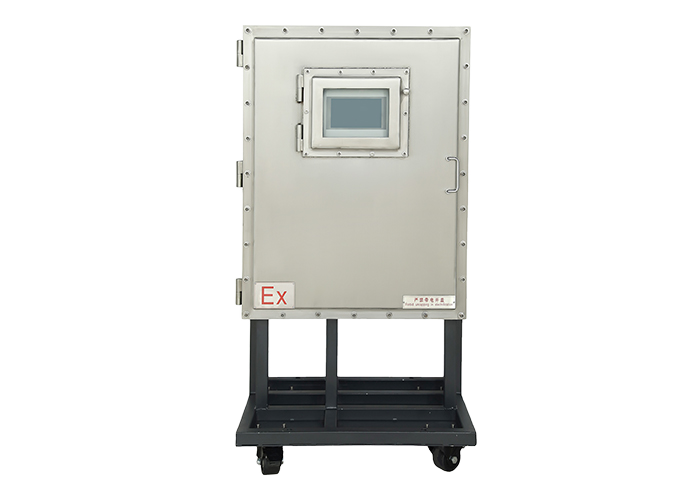
OLGA2000 biogas online monitoring system
4. Infrastructure and Location
The cost of land, availability of utilities, and infrastructure such as pipelines and grid connections also influence project development expenses. Biogas plants located close to feedstock sources and energy users tend to be more cost-efficient by minimizing transport and distribution costs.
5. Regulatory and Financial Factors
Local regulations, subsidies, and financing options significantly impact the final cost. Incentives such as feed-in tariffs, carbon credits, or grants for renewable energy projects can reduce the financial burden, while stringent environmental regulations may increase compliance costs.
The cost of biogas plant development is shaped by multiple interconnected factors, ranging from feedstock type to monitoring technology. While initial investment may seem high, advances in biogas analyzers and monitoring systems are improving efficiency and reducing long-term operating costs. With the right balance of scale, technology, and support policies, biogas plants can deliver both environmental and economic benefits.
 Manufacturer of biogas analyzer, landfill gas analyzer and extraction monitor, anaerobic digester gas analyzer