
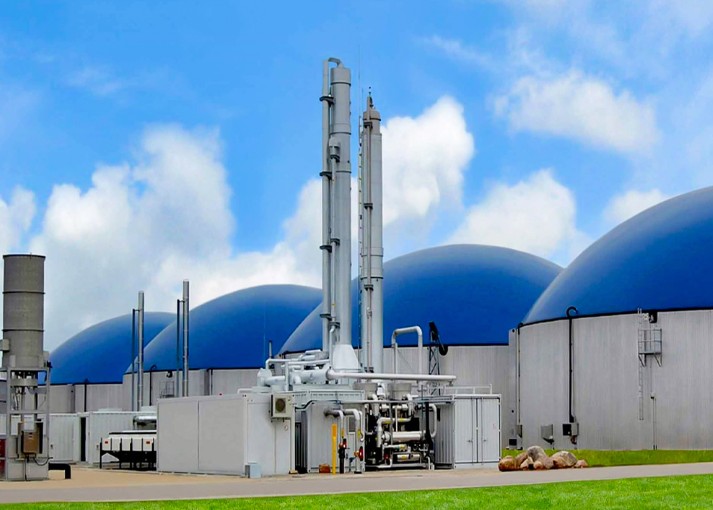
Biogas is gaining global attention as a renewable and sustainable energy source derived from organic waste materials. However, for many stakeholders—from farmers to plant operators—understanding the cost of producing biogas is critical to ensuring profitability and long-term viability. This article explores the key cost factors in biogas production and outlines strategies for optimizing expenditure while maintaining efficiency.
Key Cost Components in Biogas Production
Feedstock Acquisition and Handling
The type and availability of organic material significantly influence production cost. Common feedstocks include animal manure, agricultural waste, food scraps, and sewage sludge. Transportation, preprocessing (e.g., grinding or pulping), and storage all add to the total cost.
Infrastructure and Equipment Investment
Initial capital expenditure includes the construction of anaerobic digesters, gas storage tanks, piping, and power generation systems. Costs can vary greatly depending on the scale and technology used. Small-scale setups may be affordable for farms, while industrial plants require a larger investment.
Operation and Maintenance (O&M)
Routine maintenance, labor, electricity for mixers and pumps, heating systems (especially in colder climates), and replacement parts all contribute to ongoing operational costs.
Gas Monitoring and Quality Control
Maintaining the right composition of biogas is essential for efficient energy generation and regulatory compliance. Monitoring equipment is crucial here.
For example, biogas analyzers such as the GASCHEK1000 portable biogas analyzer use advanced photoelectric sensing principles to detect and analyze key gas components including methane (CH4), oxygen (O2), carbon dioxide (CO2), and hydrogen sulfide (H2S). These analyzers provide accurate real-time data and effectively monitor the digestion process, helping operators ensure optimal gas yield and minimize operational downtime or safety risks.

GASCHEK1000 portable biogas analyzer
Post-Processing and Utilization
Depending on the end-use—electricity generation, heat production, or upgrading to biomethane—there may be added costs for purification, compression, or integration into power grids or transport infrastructure.
Optimization Strategies
Use Consistent, High-Quality Feedstock
Stable and energy-rich organic matter like food waste or energy crops can increase methane yield per unit, improving return on investment.
Automate Monitoring and Controls
Implementing smart monitoring systems and automated controls can reduce labor costs and improve process efficiency. Accurate gas analysis, as mentioned earlier, plays a key role here.
Scale Appropriately
Design the plant to match the scale of available feedstock and energy demand. Oversizing can lead to inefficiency, while undersizing may miss potential profits.
Recover and Utilize Digestate
The leftover material from biogas production—digestate—can be processed and sold as biofertilizer, creating an additional revenue stream and reducing waste management costs.
Government Incentives and Carbon Credits
Take advantage of subsidies, feed-in tariffs, and carbon credit programs which can offset initial investments and operational costs.
Biogas production is a promising path toward sustainable energy, but understanding and managing the associated costs are essential for its success. By investing in efficient technologies like advanced biogas analyzers (e.g., GASCHEK1000) and employing smart optimization strategies, producers can maximize their output while maintaining cost-efficiency. With the right planning and technology, biogas can offer both environmental and economic benefits for years to come.
 Manufacturer of biogas analyzer, landfill gas analyzer and extraction monitor, anaerobic digester gas analyzer