

In the ongoing pursuit of sustainable energy solutions, biogas upgrading to biomethane is gaining traction as a vital technology in the circular economy. While raw biogas itself can be used for heating or power generation, upgrading it to biomethane enhances its utility, efficiency, and market value—turning organic waste into a high-quality, renewable fuel suitable for injection into natural gas grids or use as vehicle fuel.
What Is Biogas and Why Upgrade It?
Biogas is produced through anaerobic digestion of organic matter, such as agricultural waste, food scraps, and sewage sludge. It typically contains 50–70% methane (CH₄), along with significant amounts of carbon dioxide (CO₂), and trace levels of gases like hydrogen sulfide (H₂S) and moisture.
To convert biogas into biomethane, it must undergo a cleaning and separation process. This removes impurities and increases the methane concentration to over 95%, making it comparable in quality to natural gas.
Upgrading Technologies at a Glance
Several technologies are used for upgrading biogas to biomethane:
Water Scrubbing: Removes CO₂ by dissolving it in water under pressure.
Pressure Swing Adsorption (PSA): Uses molecular sieves to separate methane from other gases.
Membrane Separation: Employs polymer membranes to selectively allow CO₂ and other gases to pass through.
Chemical Absorption: Involves reacting CO₂ with chemical solvents for separation.
Each method offers advantages depending on the feedstock volume, required purity, and site-specific factors.
The Role of Gas Monitoring in Upgrading
Accurate gas composition analysis is crucial throughout the upgrading process—for both operational efficiency and environmental compliance.
Biogas analyzers, such as the GASCHEK1000 portable biogas analyzer, use advanced photoelectric sensing principles to detect and analyze methane (CH₄), oxygen (O₂), carbon dioxide (CO₂), hydrogen sulfide (H₂S), and other gases. These devices accurately report real-time data, while effectively checking the digestive process and informing decisions for optimal upgrading conditions.
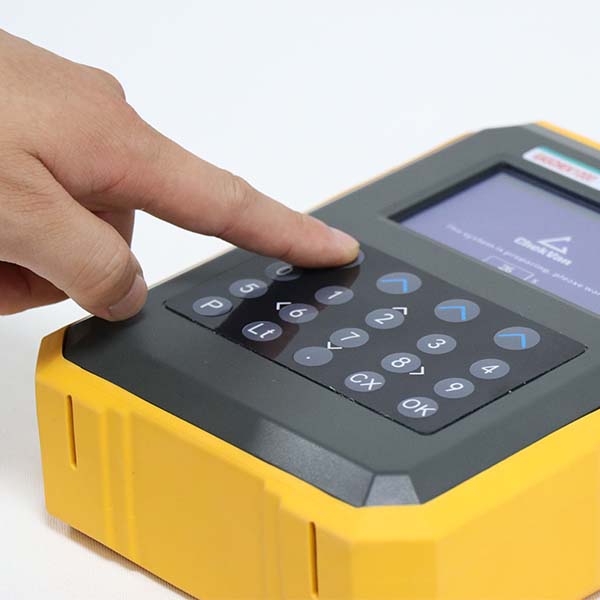
GASCHEK1000 portable biogas analyzer
Benefits of Biomethane
Renewable and Clean: Biomethane reduces greenhouse gas emissions and supports carbon neutrality goals.
Versatile Applications: It can be used in transportation, electricity generation, and domestic heating.
Grid Injection: Biomethane can be injected into existing natural gas infrastructure, increasing energy system resilience.
Waste Utilization: It provides a sustainable outlet for organic waste streams.
Upgrading biogas to biomethane is a key pathway in modern renewable energy strategies. By combining advanced separation technologies with reliable gas analysis systems like the GASCHEK1000, operators can maximize efficiency, ensure gas purity, and deliver a high-quality fuel that supports global sustainability goals. As demand for clean energy grows, biomethane stands out as a practical, scalable, and environmentally friendly solution.
 Manufacturer of biogas analyzer, landfill gas analyzer and extraction monitor, anaerobic digester gas analyzer