

In the quest for renewable energy sources, biogas has emerged as a promising solution, harnessing the power of organic waste to produce clean, sustainable fuel. Central to biogas production is the process of anaerobic digestion, a natural biological mechanism that breaks down organic materials in the absence of oxygen, releasing a valuable mixture of gases primarily composed of methane (CH₄) and carbon dioxide (CO₂). Understanding this process is crucial for optimizing biogas yield and ensuring efficient energy generation.
What Is Anaerobic Digestion?
Anaerobic digestion is a multi-stage biochemical process in which microorganisms decompose biodegradable material without oxygen. This process takes place in sealed, oxygen-free digesters, where organic waste such as agricultural residues, food waste, sewage sludge, or animal manure is converted into biogas and nutrient-rich digestate.
The process involves four key stages:
Hydrolysis – Complex organic matter is broken down into simpler soluble compounds.
Acidogenesis – These compounds are converted into volatile fatty acids, alcohols, hydrogen, and CO₂.
Acetogenesis – Volatile fatty acids are further converted into acetic acid, hydrogen, and CO₂.
Methanogenesis – Methanogenic archaea produce methane and CO₂ from acetic acid and hydrogen.
Importance of Anaerobic Digestion in Biogas Production
The efficiency of anaerobic digestion directly impacts the quantity and quality of biogas produced. Optimized digestion results in higher methane content and stable gas output, which are essential for energy generation, whether for heating, electricity, or vehicle fuel.
Efficient digestion also reduces the volume of waste and mitigates greenhouse gas emissions by capturing methane that would otherwise escape into the atmosphere.
Monitoring and Optimizing the Digestive Process
Continuous monitoring is key to maintaining optimal anaerobic digestion conditions. Parameters such as gas composition, temperature, pH, and organic load must be carefully controlled to keep the microbial community healthy and active.
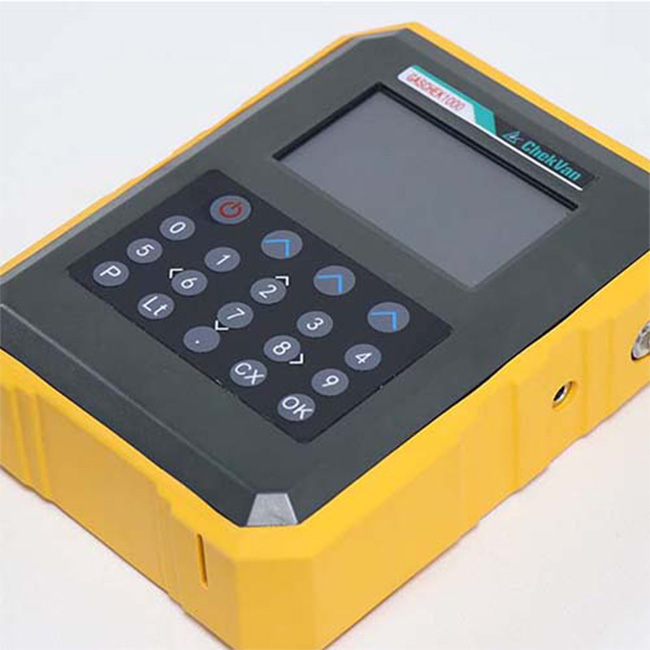
GASCHEK1000 portable biogas analyzer
Gas monitoring: Biogas analyzers, such as the GASCHEK1000 portable biogas analyzer, use advanced photoelectric sensing principles to detect and analyze methane (CH₄), oxygen (O₂), carbon dioxide (CO₂), hydrogen sulfide (H₂S) and other gases, and accurately report, while effectively checking the digestive process.
Using such advanced analyzers enables operators to:
Detect fluctuations in methane concentration
Identify the presence of oxygen or toxic gases that can harm microbes
Measure hydrogen sulfide levels to prevent corrosion and toxicity
Adjust feedstock and operating conditions to maximize biogas yield
Benefits of Effective Anaerobic Digestion
Renewable Energy Production: Generates biogas, a clean fuel that can replace fossil fuels.
Waste Management: Converts organic waste into usable energy and fertilizer.
Environmental Protection: Reduces methane emissions from open decomposition and lowers greenhouse gas impact.
Resource Recovery: Produces digestate that enriches soils and reduces chemical fertilizer use.
Challenges and Innovations
While anaerobic digestion is proven technology, it faces challenges like feedstock variability, process instability, and gas impurities. Innovations such as co-digestion (mixing different waste types), temperature control, and enhanced microbial strains are helping to overcome these hurdles.
Real-time gas monitoring, enabled by devices like the GASCHEK1000, empowers operators to maintain stable digestion, optimize performance, and extend the life of biogas systems.
Anaerobic digestion lies at the heart of efficient biogas production, transforming organic waste into valuable energy. With careful monitoring and management—supported by sophisticated biogas analyzers—this process can deliver consistent, high-quality biogas to fuel a cleaner, greener future. By unlocking the full potential of anaerobic digestion, we take a significant step toward sustainable energy and environmental stewardship.
 Manufacturer of biogas analyzer, landfill gas analyzer and extraction monitor, anaerobic digester gas analyzer