
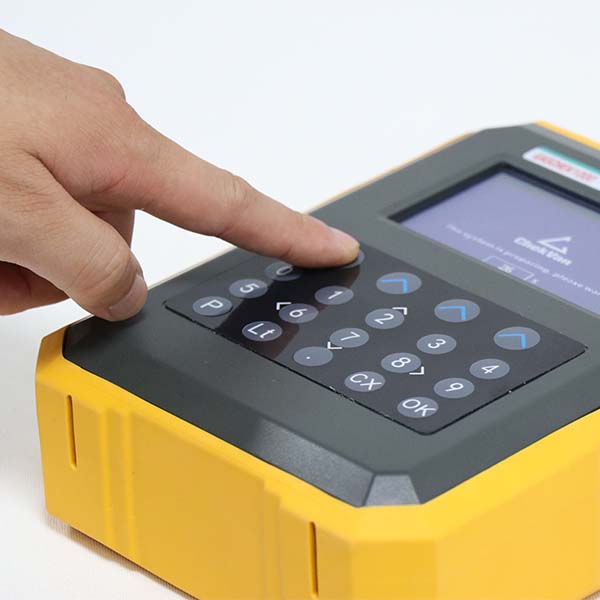
As the world shifts toward low-carbon solutions and cleaner energy systems, researchers and engineers are constantly exploring ways to improve renewable energy sources. Among these, hydrogen biogas stands out as an exciting development in the field of sustainable energy. By enhancing traditional biogas with hydrogen, this innovation promises higher energy content, improved combustion efficiency, and a broader range of applications—from electricity generation to clean vehicle fuel.
This article explores how waste can be transformed into hydrogen-enriched biogas, the technologies making it possible, and the tools used to monitor and optimize the process.
What Is Hydrogen Biogas?
Hydrogen biogas is a type of renewable fuel that combines conventional biogas—produced through anaerobic digestion of organic waste—with added hydrogen (H₂). Traditional biogas consists mainly of methane (CH₄) and carbon dioxide (CO₂), along with trace gases like hydrogen sulfide (H₂S). By introducing hydrogen into this mixture, the methane content can be increased, the CO₂ concentration reduced, and the calorific value of the gas significantly improved.
This enriched biogas can be used in:
Combined heat and power (CHP) systems
Vehicle fuel applications
Injection into natural gas grids
Hydrogen fuel cells
Producing Hydrogen Biogas: How It Works
The process typically involves two major stages:
Anaerobic Digestion – Organic materials such as food waste, agricultural residues, or sewage sludge are broken down in oxygen-free conditions by microbes, producing raw biogas.
Hydrogen Enrichment – Hydrogen is added to the biogas in one of two main ways:
Biological methanation, where hydrogen is fed to specific microbes that convert CO₂ into additional CH₄.
Catalytic methanation, where hydrogen reacts with CO₂ over a metal catalyst to produce methane.
The result is a hydrogen-rich, high-efficiency biogas that performs better than traditional biogas in many applications.
Monitoring the Process: The Role of Biogas Analyzers
To ensure the safe and efficient production of hydrogen biogas, accurate gas composition monitoring is essential. This is where advanced biogas analysis equipment comes into play.
Biogas analyzers, such as the GASCHEK1000 portable biogas analyzer, use advanced photoelectric sensing principles to detect and analyze methane (CH₄), oxygen (O₂), carbon dioxide (CO₂), hydrogen sulfide (H₂S) and other gases, and accurately report, while effectively checking the digestive process.
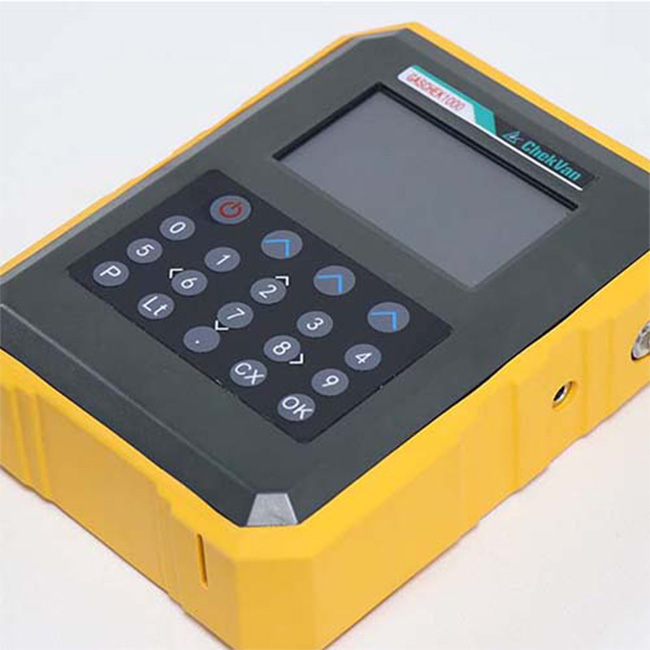
GASCHEK1000 portable biogas analyzer
Such analyzers allow operators to:
Optimize microbial digestion conditions
Track hydrogen integration effectiveness
Monitor for harmful gas buildup (like H₂S)
Ensure gas meets purity standards for end use
With portable and online options available, real-time monitoring helps prevent operational disruptions and improves overall biogas quality.
Benefits of Hydrogen-Enriched Biogas
Hydrogen biogas offers several environmental and economic advantages:
Higher Energy Output: Increased methane concentration leads to greater combustion efficiency.
Carbon Recycling: CO₂ is reused in the methanation process, reducing net emissions.
Renewable Hydrogen Use: When hydrogen is produced via electrolysis using solar or wind power, the process is nearly carbon neutral.
Grid Compatibility: Hydrogen biogas can be directly injected into existing natural gas networks, offering flexibility in deployment.
Decentralized Production: Enables small-scale waste-to-energy solutions that support energy independence.
Challenges and Future Outlook
While promising, hydrogen biogas production faces a few key challenges:
Cost of Renewable Hydrogen: Electrolysis remains expensive compared to fossil-based hydrogen.
System Integration: Adding hydrogen safely and effectively to anaerobic digestion requires specialized systems.
Technical Expertise: Operators must be trained to manage and monitor advanced processes.
However, as green hydrogen technology becomes more affordable and policies incentivize low-carbon energy, hydrogen biogas is expected to gain traction globally.
From organic waste to high-efficiency fuel, hydrogen biogas represents a leap forward in the evolution of renewable energy. By combining waste management with advanced hydrogen integration, it addresses both energy and environmental challenges. With tools like the GASCHEK1000 portable biogas analyzer ensuring accurate monitoring and process optimization, hydrogen-enriched biogas is not only feasible but increasingly practical. As innovation and investment continue to grow, this hybrid solution could play a pivotal role in the clean energy transition.
 Manufacturer of biogas analyzer, landfill gas analyzer and extraction monitor, anaerobic digester gas analyzer