
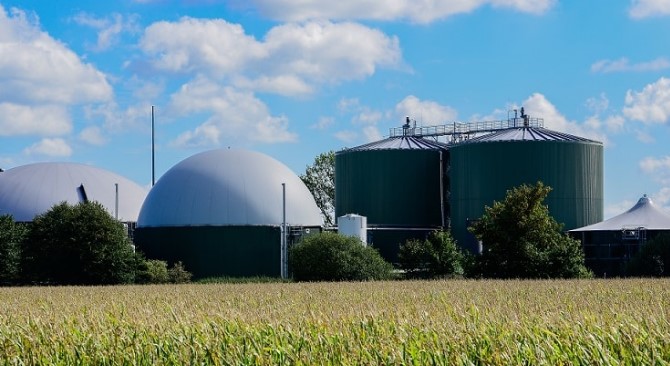
As global concerns over climate change, energy security, and fossil fuel depletion intensify, the search for sustainable energy alternatives has become more urgent than ever. Among the leading contenders is biogas technology—a renewable solution that turns organic waste into clean, usable energy. By offering an environmentally friendly substitute for conventional fuels, biogas is playing a critical role in reducing global dependence on fossil fuels.
What Is Biogas?
Biogas is a mixture of gases—primarily methane (CH₄) and carbon dioxide (CO₂)—produced through the anaerobic digestion of organic matter. This matter can include agricultural waste, food scraps, animal manure, and even sewage sludge. In controlled conditions, microbes break down this waste in the absence of oxygen, producing a combustible gas that can be used for cooking, heating, electricity generation, and even as vehicle fuel.
Biogas vs. Fossil Fuels
Fossil fuels such as coal, oil, and natural gas have powered industrial development for centuries. However, their extraction and use contribute significantly to environmental degradation, including greenhouse gas emissions, air pollution, and ecosystem disruption.
In contrast, biogas technology offers several advantages:
- Renewable Source: Biogas is derived from biological waste, which is continuously generated in households, farms, and industries.
- Carbon Neutral: While burning biogas releases CO₂, it is part of the natural carbon cycle, unlike fossil fuels which release ancient carbon.
- Waste Reduction: It helps manage and reduce organic waste, minimizing landfill usage and methane emissions from unmanaged decay.
- Energy Security: By generating fuel locally, communities and countries reduce reliance on imported fossil fuels.
How Biogas Production Works
The core of biogas technology lies in anaerobic digesters, sealed tanks or pits where organic material is decomposed by microorganisms in oxygen-free conditions. The process typically involves:
- Feedstock Input: Organic materials such as cow dung, kitchen waste, or crop residues are added.
- Anaerobic Digestion: Microbial activity breaks down the material and releases biogas.
- Gas Collection: Biogas is collected and stored in gas holders or bags.
- Utilization: The gas is used directly or upgraded to biomethane for injection into gas grids or as vehicle fuel.
The Role of Monitoring Equipment
To ensure the process is efficient and safe, accurate monitoring of gas composition is essential.
During the biogas production process, the required equipment is a biogas analyzers, such as the GASCHEK1000 portable biogas analyzer, use advanced photoelectric sensing principles to detect and analyze methane (CH₄), oxygen (O₂), carbon dioxide (CO₂), hydrogen sulfide (H₂S), and other gases, and accurately report, while effectively checking the digestive process.
Such monitoring ensures:
- Safety: Prevents hazardous build-up of toxic or combustible gases.
- Efficiency: Helps optimize methane yield by monitoring digestion conditions.
- Equipment Protection: Detects corrosive gases like H₂S that can damage engines and pipelines.
- Regulatory Compliance: Assures quality standards for gas use and emissions.

GASCHEK1000 portable biogas analyzer
Real-World Applications of Biogas
Biogas is being adopted across the globe in diverse settings:
- Farms: Manure-based digesters reduce methane emissions and provide power for operations.
- Urban Areas: Food and sewage waste are processed into energy, reducing landfill use.
- Industrial Facilities: Biogas systems manage effluents while supplying fuel for heat and electricity.
- Rural Households: Small-scale digesters supply clean cooking fuel, reducing deforestation and indoor air pollution.
Challenges to Overcome
While promising, biogas technology does face challenges:
Initial Investment: High upfront costs can deter adoption.
Feedstock Management: Consistent and suitable organic input is necessary for optimal gas output.
Technical Know-How: Proper design, operation, and maintenance require training and support.
Policy Support: Government incentives and infrastructure are needed to promote widespread use.
Biogas technology offers a practical, eco-friendly path to reduce our reliance on fossil fuels. By converting waste into a valuable energy resource, it addresses multiple environmental and social issues—from pollution control to rural energy access. With innovations like advanced biogas analyzers improving system monitoring and safety, the potential of biogas as a cornerstone of the renewable energy future is clearer than ever. Embracing biogas is not just about energy—it’s about building a circular, sustainable economy for generations to come.
 Manufacturer of biogas analyzer, landfill gas analyzer and extraction monitor, anaerobic digester gas analyzer