
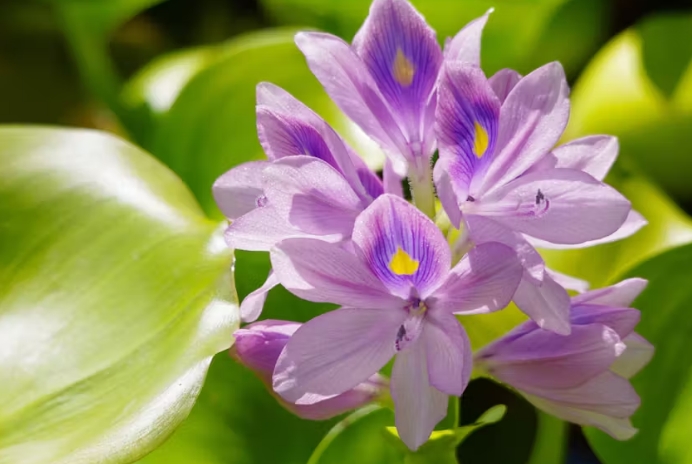
Invasive aquatic plants like water hyacinth are a major environmental problem in many parts of the world. They clog waterways, disrupt aquatic ecosystems, and hinder fishing, irrigation, and transport. However, what if this environmental nuisance could be transformed into a valuable source of renewable energy? The answer lies in biogas production from water hyacinth—a sustainable solution that turns biomass into bioenergy.
Why Water Hyacinth?
Water hyacinth (Eichhornia crassipes) is one of the fastest-growing aquatic plants, often doubling its mass in as little as 5 to 15 days. Found across Asia, Africa, and Latin America, it thrives in nutrient-rich water bodies and is notorious for its rapid spread.
Yet, this rapid growth also means high biomass availability. Rich in organic material like cellulose and hemicellulose, water hyacinth can serve as an ideal feedstock for anaerobic digestion—a biological process that produces biogas from organic waste in the absence of oxygen.
The Biogas Production Process
The process of generating biogas from water hyacinth generally involves the following steps:
1.Harvesting – Water hyacinth is collected from lakes, rivers, or ponds.
2.Pre-treatment – The biomass is chopped or mechanically shredded to reduce size and improve digestibility.
3.Anaerobic Digestion – The chopped plant material is placed in a digester tank, where microbes break it down and release biogas.
4.Gas Collection & Storage – The produced biogas, mainly composed of methane (CH₄) and carbon dioxide (CO₂), is collected for use.
5.Effluent Handling – The remaining slurry, known as digestate, can be used as a biofertilizer for agriculture.
This process not only reduces environmental degradation caused by water hyacinth but also produces a clean-burning fuel suitable for cooking, electricity generation, or heating.
Monitoring for Efficiency and Safety
To ensure that the digestion process runs efficiently and safely, it’s essential to monitor the composition and quality of the biogas.
Monitoring equipment: Biogas analyzer, such as the GASCHEK1000 portable biogas analyzer, use advanced photoelectric sensing principles to detect and analyze methane (CH₄), oxygen (O₂), carbon dioxide (CO₂), hydrogen sulfide (H₂S), and other gases, and accurately report, while effectively checking the digestive process.

GASCHEK1000 portable biogas analyzer
By using biogas analyzers, plant operators can:
- Optimize methane output
- Detect harmful gases like H₂S that may corrode equipment
- Monitor oxygen levels to prevent combustion hazards
- Maintain consistent gas quality for energy conversion systems
Accurate and continuous monitoring leads to improved performance, higher gas yields, and safer operations.
Environmental and Social Benefits
Using water hyacinth for biogas production brings multiple benefits:
- Environmental Cleanup: Reduces water hyacinth overgrowth and restores ecological balance in aquatic environments.
- Waste-to-Energy: Converts a problematic biomass into a valuable fuel source.
- Rural Energy Access: Provides off-grid communities with sustainable energy for cooking or lighting.
- Agricultural Support: The residual digestate enriches soil fertility, reducing reliance on chemical fertilizers.
- Job Creation: Encourages local harvesting, processing, and energy system maintenance.
Challenges and Considerations
Despite its promise, biogas production from water hyacinth has a few technical challenges:
- High moisture content requires careful moisture management in the digester.
- Low lignin content can cause rapid acidification if not balanced with other co-digestion materials like cow dung or food waste.
- Collection logistics must be planned to handle large volumes of floating biomass.
With proper planning, pre-treatment, and monitoring, these issues can be managed effectively.
Biogas from water hyacinth represents an innovative way to tackle two problems at once: aquatic weed overgrowth and the need for renewable energy. By leveraging technologies such as biogas analyzers for real-time gas monitoring, this process can be made more efficient, safe, and scalable.
As governments and communities seek eco-friendly energy alternatives, turning to aquatic biomass like water hyacinth could be a viable path forward—proving once again that waste can be a powerful resource when combined with the right technology and vision.
 Manufacturer of biogas analyzer, landfill gas analyzer and extraction monitor, anaerobic digester gas analyzer