
As cities grow and environmental concerns intensify, wastewater treatment is no longer just about cleaning water—it’s about recovering valuable resources. Among these, biogas stands out as a renewable energy source with huge potential. Sewage biogas plants, which extract energy from wastewater sludge, are transforming municipal waste management by converting pollution into power.
This article explores how energy recovery works in sewage biogas plants, what technologies are involved, and how monitoring systems like the OLGA2000 help ensure safe and efficient gas production.
What Is a Sewage Biogas Plant?
A sewage biogas plant is a facility integrated within a wastewater treatment plant (WWTP) that uses anaerobic digestion to process sewage sludge—the thick, organic-rich by-product of wastewater treatment. Under oxygen-free conditions, microorganisms break down this sludge and generate biogas, a mixture primarily composed of:
Methane (CH₄) – the energy-rich component
Carbon dioxide (CO₂) – inert but reduces energy density
Hydrogen sulfide (H₂S) – corrosive and toxic
Oxygen (O₂) and trace gases – indicators of digester health or leaks
The Process: From Wastewater to Energy
Sludge Generation
Wastewater passes through preliminary and secondary treatment processes, generating primary and secondary sludge.
Sludge Thickening and Digestion
Sludge is thickened and then fed into anaerobic digesters, where bacteria decompose the organic matter over 15–30 days, producing biogas and reducing the volume of waste.
Biogas Collection
Biogas rises to the top of the digester and is collected in storage tanks or gas holders.
Energy Conversion
Biogas is used in combined heat and power (CHP) systems to generate electricity and thermal energy, often supplying the WWTP itself.
Residual Sludge Treatment
The digested sludge, now more stable and reduced in pathogens, can be dewatered and reused as compost, soil conditioner, or safely disposed of.
Maximizing Biogas Yield: Key Strategies
To recover as much energy as possible from wastewater, sewage biogas plants must operate under optimized and carefully controlled conditions. Key strategies include:
✔️ Optimizing Sludge Quality
Feeding the digester with the right mix of organic content and avoiding excess inorganic materials enhances microbial efficiency.
✔️ Temperature and pH Control
Maintaining the right mesophilic (35–40°C) or thermophilic (50–55°C) temperatures, along with stable pH, is essential for methane-producing microbes.
✔️ Continuous Gas Monitoring
Biogas composition provides direct insight into digester health and energy potential.
During the biogas production process, a biogas analyzer is needed to monitor the composition of the biogas. For example, the OLGA2000 biogas online monitoring system uses advanced photoelectric sensing principles to detect and analyze methane (CH₄), oxygen (O₂), carbon dioxide (CO₂), hydrogen sulfide (H₂S) and other gases.
Real-time gas analysis helps operators:
Adjust loading rates
Detect toxic gas spikes (like H₂S)
Improve gas quality for CHP systems
Prevent costly corrosion or digester failures
✔️ Use of Pre-treatment Techniques
Thermal hydrolysis, ultrasound, or chemical treatments can increase sludge degradability and gas yield.
Benefits of Sewage Biogas Plants
✅ Energy Self-Sufficiency
Many WWTPs can meet 60–100% of their own energy needs through biogas recovery, lowering operating costs.
✅ Reduced Carbon Emissions
By capturing methane that would otherwise escape into the atmosphere, these plants cut greenhouse gas emissions significantly.
✅ Waste Volume Reduction
Anaerobic digestion reduces sludge volume by 40–50%, cutting disposal costs and environmental impact.
✅ Resource Recovery
Beyond biogas, digestate can be further processed into biosolids or fertilizers.
Challenges and Considerations
High Initial Investment: Building digesters and CHP units requires capital, but long-term savings and energy generation can offset the costs.
Gas Cleaning: H₂S and moisture must be removed before using biogas in engines or turbines.
Process Stability: Maintaining biological balance requires skilled operators and robust monitoring systems like the OLGA2000.
The Future of Energy Recovery in Wastewater
The shift toward energy-positive wastewater treatment plants is accelerating. Innovations in digester design, AI-based process control, and integration with solar or wind systems are creating new opportunities for efficiency and sustainability.
Cities aiming for zero-waste, zero-emission goals increasingly see sewage biogas plants as critical infrastructure—not just for sanitation but for clean energy production and circular resource use.
Sewage biogas plants are redefining wastewater treatment by maximizing energy recovery from what was once considered pure waste. With technologies like the OLGA2000 biogas analyzer ensuring accurate gas monitoring and process optimization, these systems not only clean water but power our communities with renewable energy.
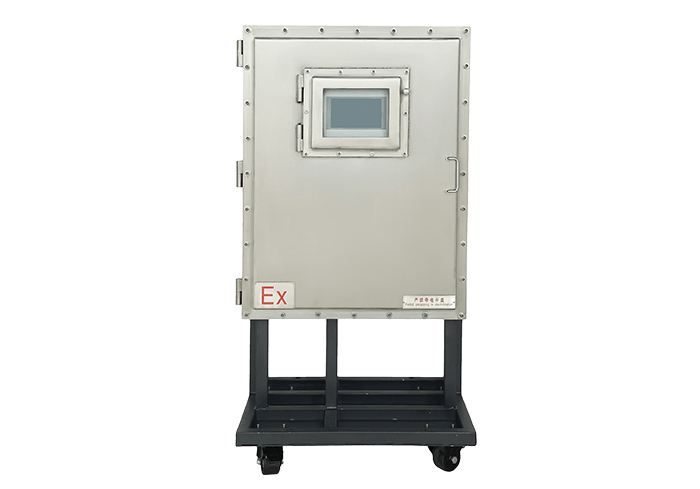
the OLGA2000 biogas analyzer
By investing in smart, well-managed biogas recovery, cities and industries can move closer to a sustainable, self-sufficient future—where every drop of waste is a step toward cleaner energy.
 Manufacturer of biogas analyzer, landfill gas analyzer and extraction monitor, anaerobic digester gas analyzer