

With growing concerns about energy sustainability, climate change, and rural waste management, biogas production from cow dung has emerged as a practical, eco-friendly solution. This process transforms livestock waste—once considered a disposal problem—into clean, renewable energy that can power households, farms, and even small industries. In doing so, it addresses both energy needs and environmental challenges, particularly in agricultural communities.
This article explores how cow dung is converted into biogas, its benefits, and why this traditional yet powerful method is making a modern comeback.
What Is Biogas?
Biogas is a flammable gas primarily composed of methane (CH₄) and carbon dioxide (CO₂), produced when organic matter undergoes anaerobic digestion—a natural biological process carried out by bacteria in the absence of oxygen. Common feedstocks for biogas include food waste, crop residues, and, notably, animal manure—especially cow dung.
Why Cow Dung?
Cow dung is ideal for biogas production due to several factors:
- It contains a rich mix of organic material and microbial activity.
- It is available in large quantities in rural and farming areas.
- It maintains a relatively stable carbon-to-nitrogen ratio, supporting efficient digestion.
- It’s often mixed with water during collection, making it easier to pump into digesters.
The Biogas Production Process from Cow Dung
Here’s a simplified overview of how cow dung is converted into biogas:
1. Collection and Mixing
Fresh cow dung is collected and mixed with water to form a slurry. The usual ratio is 1 part dung to 1 part water, creating a fluid mixture that flows easily into the digester.
2. Feeding the Digester
The slurry is fed into an anaerobic digester—a sealed tank where the decomposition process occurs. The digester must remain airtight to allow anaerobic (oxygen-free) conditions.
3. Anaerobic Digestion
Inside the digester, microorganisms break down the organic matter in the dung. This process typically takes 20–30 days, depending on temperature and system design. As bacteria work, they produce biogas, which accumulates at the top of the digester.
4. Biogas Collection and Use
The biogas—mainly methane—is collected in a dome or storage bag and piped to its point of use. Common uses include:
- Cooking in household stoves
- Lighting in low-pressure gas lamps
- Electricity generation via small biogas generators
- Water heating and other thermal applications
5. Utilizing the Digestate
What remains in the digester is called digestate—a nutrient-rich slurry that can be used as organic fertilizer, enhancing soil fertility without chemical additives.
Types of Biogas Digesters for Cow Dung
Several types of digesters are used to process cow dung:
- Fixed Dome Digesters: Long-lasting structures built with brick or concrete; commonly used in rural programs.
- Floating Drum Digesters: Feature a metal drum that rises and falls with the gas level; easy to operate but require maintenance.
- Flexi Biogas Systems: Portable, low-cost units made of plastic or rubber; ideal for small farms or households.
Benefits of Using Cow Dung for Biogas
✅ Renewable Energy Source
Reduces dependency on firewood, charcoal, or fossil fuels for cooking and heating.
✅ Improved Waste Management
Converts livestock waste into a valuable resource, reducing odor and contamination.
✅ Climate Protection
Captures methane—a potent greenhouse gas—before it enters the atmosphere.
✅ Soil Enrichment
Produces organic fertilizer that improves soil health and crop yields.
✅ Economic Savings
Lowers household fuel costs and can create income opportunities from energy or fertilizer sales.
Real-World Impact
In countries like India, Nepal, Kenya, and Bangladesh, small-scale biogas plants powered by cow dung are widely adopted in rural communities. Programs supported by governments and NGOs have installed thousands of digesters, enabling households to cook cleanly, reduce indoor air pollution, and cut fuel expenses.
In more advanced setups, large-scale dairy farms are building commercial biogas plants that not only power their operations but also sell electricity to the grid or upgrade the gas to biomethane for vehicles.
During the biogas production process, a biogas analyzer is needed to monitor the composition of the biogas. For example, the OLGA2000 biogas online monitoring system uses advanced photoelectric sensing principles to detect and analyze methane (CH4), oxygen (O2), carbon dioxide (CO2), hydrogen sulfide (H2S) and other gases.
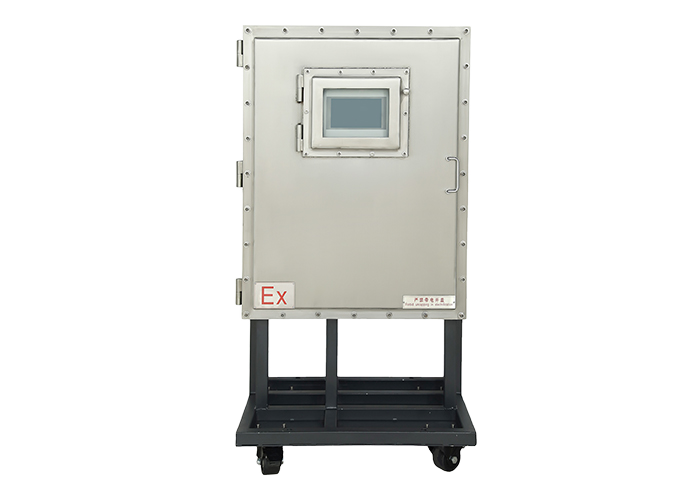
OLGA2000 biogas online monitoring system
Challenges and Considerations
While the benefits are clear, there are challenges that must be addressed:
- Initial investment for digester construction may be a barrier for low-income families.
- Temperature sensitivity in colder climates can slow digestion unless insulated systems are used.
- Proper management and regular feeding are essential for consistent gas production.
Producing biogas from cow dung is a time-tested solution with modern relevance. It combines waste management, clean energy generation, and sustainable agriculture in a single, low-tech process. Whether on a small farm or in a rural household, biogas digesters represent a smart, circular approach to turning animal waste into an asset—fueling a greener and more self-reliant future.
 Manufacturer of biogas analyzer, landfill gas analyzer and extraction monitor, anaerobic digester gas analyzer