
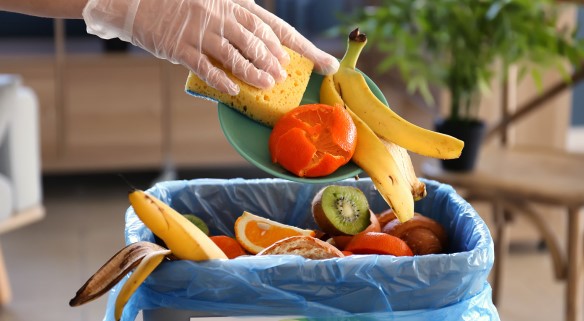
In the global shift toward clean and decentralized energy solutions, Flex Biogas technology stands out as a game-changer—especially for small-scale users in rural and off-grid communities. By transforming kitchen scraps, farm waste, and organic residues into usable biogas, Flex Biogas systems provide a cost-effective, user-friendly, and environmentally friendly way to produce energy directly where it’s needed.
This article explores what makes Flex Biogas technology unique and how it’s empowering households, farms, and small businesses to turn everyday waste into sustainable fuel.
What Is Flex Biogas?
Flex Biogas refers to a category of flexible, modular anaerobic digesters designed to convert organic waste into biogas using the natural process of anaerobic digestion. Unlike large-scale industrial systems, Flex Biogas digesters are:
- Portable and easy to install
- Affordable and scalable
- Low-maintenance and adaptable
Developed with small-scale users in mind, Flex Biogas systems are often used for cooking, heating, and even electricity generation in homes, schools, and small farms.
How Flex Biogas Systems Work
The process of converting waste into energy is simple yet highly effective:
- Feeding Organic Waste
Users feed the digester with organic materials such as:
- Kitchen leftovers
- Animal manure
- Garden or crop waste
- Food processing residues
- Anaerobic Digestion
Inside the sealed, oxygen-free digester, bacteria break down the organic matter over several days, producing:
- Biogas (mostly methane and carbon dioxide)
- Digestate, a nutrient-rich slurry usable as fertilizer
- Biogas Collection and Use
The biogas rises to the top and is collected in a flexible gas bag or dome. It can then be piped directly to a biogas stove, water heater, or even a small generator.
Key Features of Flex Biogas Technology
- Tool-Free Setup: No need for concrete, steel tanks, or complex construction
- Portable Design: Can be relocated easily—ideal for seasonal farms or disaster recovery
- Farmer- and Family-Friendly: Easy to operate, even without technical training
- Scalable System: Multiple units can be added based on waste availability and energy demand
- Eco-Friendly: Reduces methane emissions from unmanaged organic waste
Real-World Applications
Flex Biogas systems are making a real impact in diverse settings:
- Rural households use them for cooking fuel, reducing reliance on firewood and LPG
- Smallholder farms process manure and crop waste, cutting waste disposal costs and producing clean energy
- Schools and community kitchens benefit from consistent and safe cooking fuel
- Disaster relief operations deploy portable digesters to provide off-grid energy quickly
In countries like Kenya, India, Nepal, and the Philippines, Flex Biogas units are already improving energy access and environmental outcomes.
Benefits of Flex Biogas for Small-Scale Users
✅ Energy Security: Reliable cooking fuel even in areas with no electricity or gas grid
✅ Waste Reduction: Eliminates the problem of organic waste disposal
✅ Environmental Impact: Cuts down deforestation and greenhouse gas emissions
✅ Health Improvements: Reduces indoor air pollution compared to wood or charcoal cooking
✅ Agricultural Value: Provides high-quality organic fertilizer from the digestate
Challenges and Considerations
- Temperature Sensitivity: Biogas production slows in cold climates unless systems are insulated or heated.
- Feeding Discipline: Digesters require consistent feeding and proper waste mix for steady gas output. During the biogas production process, a biogas analyzer is needed to monitor the composition of the biogas. OLGA1500 Online Biogas Monitoring System adopts laser sensing principle. It can realize the online monitoring of methane gas, which is fast, accurate and stable. OLGA1500 Online Biogas Monitoring System can be widely used in gas monitoring in landfill gas power plants, petrochemicals, coal mines and other scenarios, and can realize remote data transmission.

OLGA1500 Online Biogas Monitoring System
- Initial Cost: Though lower than traditional systems, the upfront investment may still be a hurdle without financing options.
The Future of Flex Biogas
With rising interest in decentralized renewable energy and climate-smart agriculture, Flex Biogas technology is gaining momentum globally. Innovations in materials, design, and distribution are making systems more efficient and accessible. Integration with solar systems, IoT monitoring, and mobile apps for user support are also emerging trends.
Governments, NGOs, and clean energy startups are increasingly promoting Flex Biogas as part of national strategies for waste management, energy access, and rural development.
Flex Biogas technology is revolutionizing the way small-scale users access and generate energy. By providing a low-cost, practical method of converting organic waste into clean biogas, these systems empower individuals and communities to become energy producers—not just consumers.
Whether in a remote village or a peri-urban farm, Flex Biogas brings the power of renewable energy directly to the people who need it most. It’s not just a technology—it’s a movement toward energy independence, sustainability, and smarter waste use.
 Manufacturer of biogas analyzer, landfill gas analyzer and extraction monitor, anaerobic digester gas analyzer