
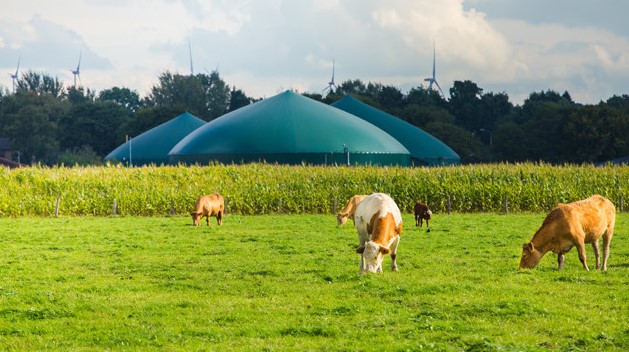
Agriculture has always been central to human civilization—but in the 21st century, it’s playing a new role: producing clean energy. Through biogas energy production, farms are turning animal manure, crop residues, and other organic waste into a powerful renewable fuel. This process not only helps manage agricultural waste but also contributes to energy security and reduces greenhouse gas emissions. Welcome to the world of biogas in agriculture, where sustainability starts in the soil and ends in the socket.
What Is Biogas Energy?
Biogas is a combustible gas produced through anaerobic digestion—a natural process where bacteria break down organic matter in the absence of oxygen. The resulting gas, composed mainly of methane (CH₄) and carbon dioxide (CO₂), can be used for:
Cooking and heating
Electricity generation
Fuel for vehicles (as biomethane)
Combined heat and power (CHP) systems
Agricultural Waste: A Rich Resource for Biogas
Farms generate large volumes of organic waste daily, including:
Animal manure (from cattle, pigs, poultry, etc.)
Crop residues (like straw, corn stalks, and chaff)
Spoiled feed or silage
Wastewater from dairies or slaughterhouses
These materials, once seen as a disposal problem, are now valuable feedstock for on-farm biogas production.
How Biogas Energy Production Works on Farms
The process typically involves the following steps:
1. Feedstock Collection
Organic waste is collected and pre-treated if needed (e.g., grinding, mixing with water). A balanced mix of materials ensures stable digestion and higher gas yields.
2. Anaerobic Digestion
The waste is fed into a sealed digester, where microbes decompose it over 20–40 days, depending on the system design and temperature. This process produces biogas and digestate (the nutrient-rich residue).
3. Biogas Storage and Utilization
The generated biogas is stored in gas holders or flexible bags. Depending on the farm’s needs, it can be:
Burned in gas engines to generate electricity and heat
Used directly for cooking or heating
Upgraded to biomethane for use as a vehicle fuel or injected into natural gas grids
4. Digestate Handling
The leftover digestate is separated into solid and liquid fractions and used as a biofertilizer, returning nutrients to the soil and reducing the need for chemical fertilizers.
Benefits for Farmers
✅ Energy Independence
Farmers can reduce reliance on fossil fuels and electricity from the grid by generating power on-site.
✅ Waste Management
Anaerobic digestion provides a hygienic, odor-reducing method to process manure and other organic waste.
✅ New Revenue Streams
Surplus electricity can be sold back to the grid (where permitted), and biomethane can be marketed as a green fuel.
✅ Improved Soil Health
Digestate is rich in nitrogen, phosphorus, and potassium, enhancing crop yields and reducing fertilizer costs.
✅ Reduced Emissions
Capturing methane prevents it from escaping into the atmosphere—a major step in mitigating climate change.
During the biogas production process, the required equipment is a biogas analyzer, which uses advanced photoelectric sensing principles to detect and analyze methane (CH4), oxygen (O2), carbon dioxide (CO2), hydrogen sulfide (H2S) and other gases. For example OLGA2000 Online Biogas Monitoring System can be widely used in gas monitoring in landfill gas power plants, petrochemicals, coal mines and other scenarios, and can realize remote data transmission.
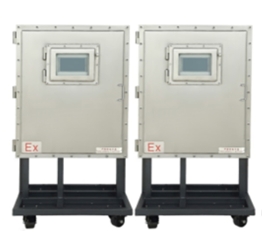
Online Biogas Analyzer OLGA1500
Real-World Applications
Dairy farms use manure to fuel CHP systems, powering milking parlors and heating water.
Pig farms generate electricity for on-site use and export excess to the grid.
Crop farms use biogas systems to convert leftover biomass into both fuel and fertilizer.
In many countries, government incentives, subsidies, and feed-in tariffs support the adoption of farm-scale biogas plants.
Challenges and Considerations
High Initial Costs: Infrastructure investment can be significant, though long-term savings are substantial.
Technical Expertise: Requires operational knowledge to maintain system balance and optimize gas yield.
Feedstock Supply: Steady input is essential; seasonal variations can impact performance.
Regulatory Compliance: Farms must meet environmental and safety standards for waste handling and energy production.
Future Outlook
With growing global interest in circular agriculture and decarbonization, biogas production on farms is expected to expand rapidly. Technological advancements—like modular digesters, remote monitoring systems, and gas upgrading units—are making biogas systems more accessible and efficient for small and mid-sized farms.
Biogas energy production in agriculture represents a powerful synergy between food production and renewable energy. By turning waste into fuel, farmers are becoming clean energy producers, contributing to rural sustainability, energy security, and environmental protection. From manure to megawatts, the future of farming is not just about feeding the world—it’s also about powering it.
 Manufacturer of biogas analyzer, landfill gas analyzer and extraction monitor, anaerobic digester gas analyzer