
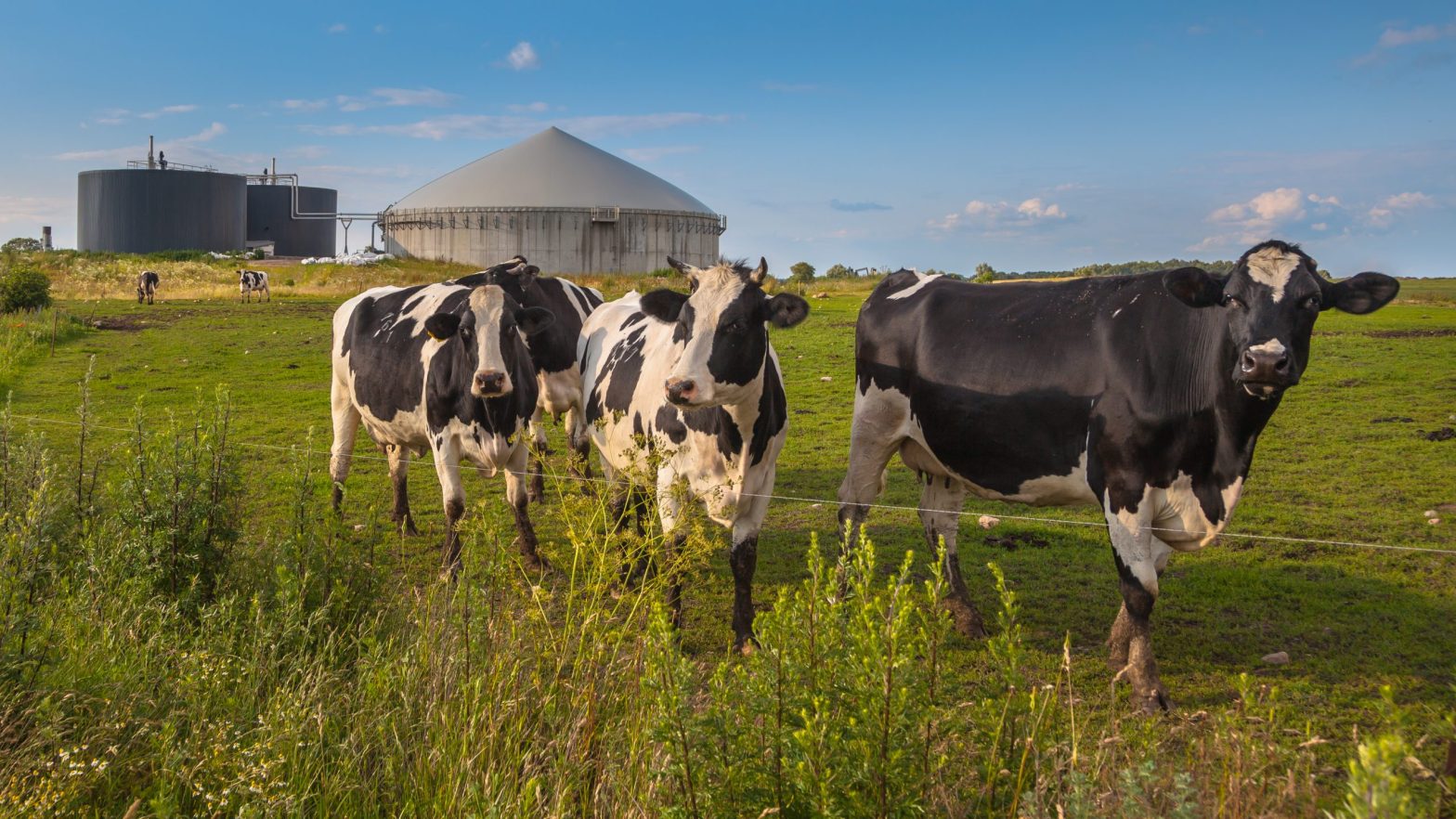
As the world seeks cleaner, more sustainable energy solutions, biogas has emerged as a promising alternative that addresses both waste management and renewable energy needs. Derived from organic waste through a natural biological process, biogas can be used for cooking, heating, electricity generation, and even as a vehicle fuel. But what exactly is the biogas process, and how does it transform common waste into useful energy?
This article breaks down the science and stages behind biogas production and explores its significance in today’s energy landscape.
What Is Biogas?
Biogas is a renewable energy source produced by the anaerobic digestion of organic matter—meaning it’s created by microorganisms breaking down materials like food scraps, animal manure, agricultural residues, and sewage sludge in an oxygen-free environment.
The resulting gas is a mixture, primarily composed of:
Methane (CH₄) – 50–70%: the energy-rich component
Carbon Dioxide (CO₂) – 30–40%
Hydrogen Sulfide (H₂S), Nitrogen (N₂), and trace gases
Biogas can be combusted directly for heat or electricity or upgraded to biomethane, a purified version suitable for injection into natural gas pipelines or use as vehicle fuel.
The Four Stages of the Biogas Process
Biogas is generated through a multi-stage biological process called anaerobic digestion (AD), involving several groups of microorganisms working together:
1. Hydrolysis
In this initial step, complex organic materials like carbohydrates, fats, and proteins are broken down into simpler soluble molecules (sugars, amino acids, and fatty acids). Hydrolytic bacteria release enzymes to catalyze this transformation.
2. Acidogenesis
Acid-forming bacteria (acidogens) convert the hydrolyzed compounds into volatile fatty acids (VFAs), alcohols, hydrogen, and carbon dioxide. This stage produces intermediate compounds that fuel the next step.
3. Acetogenesis
In this phase, VFAs and alcohols are further converted into acetic acid, CO₂, and hydrogen by acetogenic bacteria. These are the essential precursors for methane formation.
4. Methanogenesis
Finally, methanogenic archaea convert acetic acid and hydrogen into methane and carbon dioxide, completing the biogas production process. This is the most sensitive and crucial phase, requiring stable conditions for maximum gas yield.
Inputs: What Feeds the Biogas Process?
A wide variety of organic feedstocks can be used in biogas production, including:
Food waste from households, restaurants, and food processors
Animal manure from farms
Crop residues like straw or corn silage
Sewage sludge from wastewater treatment plants
Organic industrial waste
The composition and moisture content of the feedstock affect the efficiency and gas yield of the process.
Outputs: More Than Just Gas
Biogas plants produce two main outputs:
1.Biogas – Used for:
Cooking or heating (in households or industries)
Electricity generation (with gas engines or turbines)
Fuel (upgraded biomethane for vehicles or grid injection)
2.Digestate – The solid and liquid residue remaining after digestion, which is:
Rich in nutrients
Used as a natural fertilizer or soil conditioner
Sometimes processed further into compost or liquid biofertilizer
Importance of Process Control and Monitoring
Efficient biogas production depends on carefully managing temperature, pH, retention time, carbon-to-nitrogen ratio, and loading rate. A well-balanced digester ensures optimal microbial activity, stable gas output, and reduced emissions.
Modern biogas plants use gas analyzers and process control systems to continuously monitor methane content, detect harmful gases like hydrogen sulfide, and adjust conditions in real time.
Biogas analyzers, such as the GASCHEK1000 portable biogas analyzer, use advanced photoelectric sensing principles to detect and analyze methane (CH4), oxygen (O2), carbon dioxide (CO2), hydrogen sulfide (H2S) and other gases, and accurately report , while effectively checking the digestive process.

Online Biogas Analyzer GASCHEK1000
Benefits of the Biogas Process
✅ Renewable and sustainable: Converts waste into energy
✅ Reduces greenhouse gas emissions: Methane capture prevents it from entering the atmosphere
✅ Supports waste management: Reduces landfill use and organic pollution
✅ Promotes energy independence: Local energy production for homes, farms, and industries
✅ Produces natural fertilizer: Supports sustainable agriculture
The biogas process is a powerful example of how natural biological systems can be harnessed to solve modern energy and environmental challenges. By converting organic waste into clean, usable energy and valuable by-products, biogas offers a circular, sustainable solution for households, industries, and communities. As technologies advance and awareness grows, the biogas process will play an increasingly vital role in the global transition to a low-carbon future.
 Manufacturer of biogas analyzer, landfill gas analyzer and extraction monitor, anaerobic digester gas analyzer