
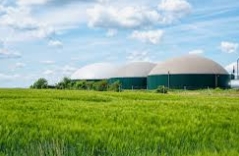
In a world increasingly focused on sustainability and waste reduction, home mini biogas plants are gaining attention as a practical and eco-friendly way to manage kitchen waste while generating renewable energy. These compact systems are designed for household use, turning daily organic waste into biogas—a clean-burning fuel that can be used for cooking, heating, and even electricity generation. With the dual benefit of reducing waste and lowering energy costs, mini biogas plants offer an innovative solution for modern homes.
What Is a Home Mini Biogas Plant?
A mini biogas plant is a small-scale version of the large anaerobic digesters commonly used in farms or municipal facilities. It operates on the same principle: anaerobic digestion, where organic matter is broken down by bacteria in the absence of oxygen, producing biogas and digestate.
Biogas typically contains:
Methane (CH₄) – 50–70%, the combustible component
Carbon Dioxide (CO₂) – 30–40%
Trace gases like hydrogen sulfide (H₂S)
The digestate, the leftover slurry, can be used as a natural fertilizer for gardens.
Gas monitoring:Biogas analyzers, such as the GASCHEK1000 portable biogas analyzer, use advanced photoelectric sensing principles to detect and analyze methane (CH4), oxygen (O2), carbon dioxide (CO2), hydrogen sulfide (H2S) and other gases, and accurately report , while effectively checking the digestive process.

Online Biogas Analyzer GASCHEK1000
How Kitchen Waste Powers a Biogas System
Common household kitchen waste such as vegetable peels, fruit scraps, cooked food leftovers, and even small amounts of dairy or meat can be added to the digester. These materials are rich in organic content and decompose easily, making them ideal feedstock for biogas generation.
The process involves:
1.Feeding the digester with daily kitchen waste and water.
2.Sealing the system to allow anaerobic digestion.
3.Collecting the gas produced in a storage unit or gas bag.
4.Using the gas directly for cooking or heating.
Benefits of Home Mini Biogas Systems
1.Waste Reduction
Instead of dumping kitchen waste into landfills or compost heaps, a biogas plant offers a cleaner, odor-free way to dispose of it.
2.Renewable Energy Generation
The biogas produced can be used as a replacement for LPG, natural gas, or even firewood.
3.Cost Savings
Over time, households can save on cooking fuel expenses, especially in areas where LPG prices are high or access is limited.
4.Eco-Friendly Living
Using biogas reduces methane emissions from landfills and cuts down on fossil fuel consumption, contributing to a lower carbon footprint.
5.Fertilizer By-product
The digestate is a valuable organic fertilizer, helping support home gardening or small-scale agriculture.
Installation and Maintenance
Most home biogas systems come as pre-fabricated kits made of durable plastic or fiberglass. Installation requires a small open space with access to sunlight (to maintain optimal temperature for digestion), a water source, and proper ventilation.
Basic maintenance includes:
1.Regular feeding with balanced organic material.
2.Stirring or mixing (manually or automatically).
3.Occasional cleaning or removal of excess sludge.
Systems typically require no electricity and have low operational costs, making them ideal for off-grid or rural homes.
Challenges and Considerations
1.Temperature Sensitivity: In colder climates, digestion slows down; insulation or solar heaters may be needed.
2.Feedstock Balance: Excessive oil, meat, or dairy can hinder bacterial activity; plant-based waste works best.
3.Initial Cost: While long-term savings are significant, upfront costs for installation may be a barrier for some households.
Home mini biogas plants offer a smart, sustainable way to convert kitchen waste into valuable energy. As more people seek greener lifestyles and self-sufficient energy solutions, these systems provide an excellent opportunity to turn everyday waste into a powerful resource. Whether you’re a homeowner looking to cut down on gas bills or an eco-conscious individual aiming to reduce your environmental impact, mini biogas systems make clean energy a reality—right from your backyard.
 Manufacturer of biogas analyzer, landfill gas analyzer and extraction monitor, anaerobic digester gas analyzer