
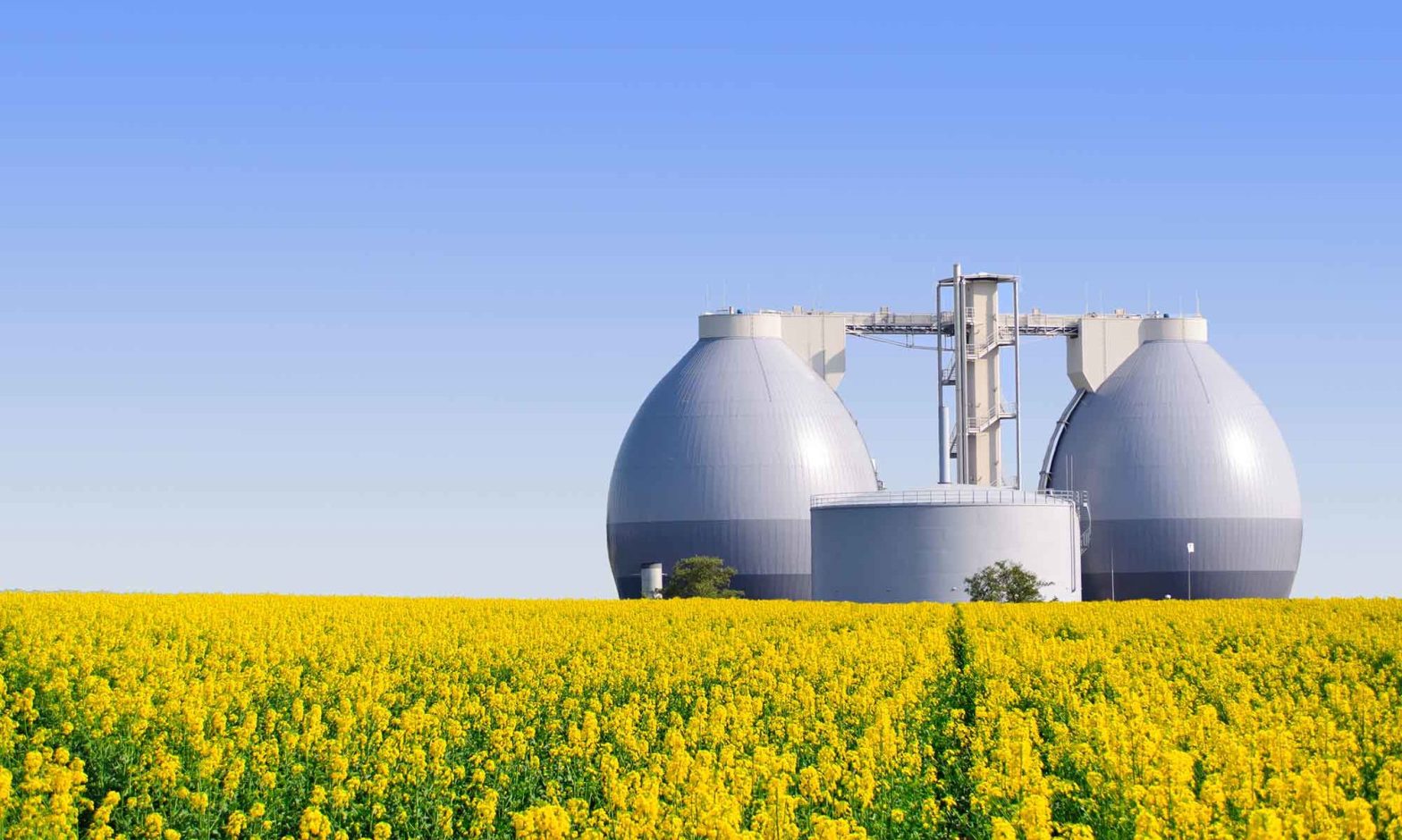
The world’s growing energy demands, coupled with the need for sustainable practices, have led to an increased interest in renewable energy sources. One of the most promising solutions in this arena is biogas, a versatile and eco-friendly energy source that can be generated through the fermentation of organic waste in biogas digesters system. These systems are not only a powerful tool for waste management but also serve as a key technology in the transition to clean energy. This article will explore how biogas digesters system work, their benefits, applications, and the role they play in creating a sustainable energy future.
What is a Biogas Digester system?
A biogas digester is a sealed, oxygen-free container in which organic materials such as food waste, agricultural residues, animal manure, and even sewage are broken down by microorganisms through anaerobic digestion. The process results in the production of biogas, a mixture primarily composed of methane (CH₄) and carbon dioxide (CO₂). This biogas can be used for cooking, heating, electricity generation, and even as a vehicle fuel. The digester system itself varies in size and complexity, ranging from small household units to large industrial-scale systems that serve entire communities.

The principle behind biogas production is rooted in biology. In an anaerobic environment (without oxygen), bacteria break down complex organic compounds, converting them into simpler compounds, including methane. This process takes place in the digester’s tank, where organic matter is placed, and the anaerobic bacteria are allowed to feed and thrive. The resulting biogas rises to the top of the tank and can be collected and stored for later use.
The Science of Anaerobic Digestion
Anaerobic digestion occurs in several stages, each carried out by different groups of microorganisms. The first step, called hydrolysis, involves breaking down complex organic materials like carbohydrates, proteins, and fats into simpler molecules such as sugars, amino acids, and fatty acids. In the second step, acidogenesis, these simpler molecules are converted by acid-forming bacteria into volatile fatty acids, hydrogen, and carbon dioxide.
The third stage, acetogenesis, involves the conversion of the byproducts from the acidogenesis phase into acetic acid, hydrogen, and carbon dioxide. Finally, in the last stage, methanogenesis, methanogenic bacteria produce methane by converting acetic acid, hydrogen, and carbon dioxide into biogas.
The efficiency and success of the anaerobic digestion process depend on a variety of factors, including temperature, pH level, moisture content, and the composition of the organic waste being digested. These factors must be carefully managed to ensure optimal biogas production.
Types of Biogas Digesters
Biogas digesters come in various forms, depending on the scale of operation and the type of waste being processed. The three main types of digesters are batch digesters, continuous flow digesters, and plug flow digesters.
1.Batch Digesters:
These are typically used for small-scale operations or in rural areas. Organic waste is added to the digester in batches, and the system is sealed off to allow the anaerobic digestion process to occur. Once the digestion process is complete, the remaining waste is removed, and fresh organic matter is added.
2.Continuous Flow Digesters:
These systems are used for larger-scale operations and are more suitable for constant, ongoing production of biogas. Waste is continuously added, and the digester is designed to allow for the continuous removal of digested material while maintaining the anaerobic environment.
3.Plug Flow Digesters:
Commonly used in agricultural settings, plug flow digesters are designed for the processing of slurry-like materials such as manure. Waste flows through the digester as a “plug,” allowing for continuous processing of organic material.
Each type of biogas digesters system has its advantages and challenges, and the choice depends on the available resources, the volume of waste, and the intended application.
Benefits of Biogas Digesters system
1.Renewable Energy Generation:
The methane produced by biogas digesters is a valuable source of renewable energy. Methane is a potent fuel, and its combustion produces carbon dioxide, which is far less harmful than other greenhouse gases like methane itself. By replacing fossil fuels with biogas, carbon emissions can be significantly reduced, making biogas a key player in mitigating climate change.
2.Waste Reduction:
Biogas digesters provide an effective solution to the growing global waste crisis. Organic waste, which would otherwise decompose in landfills and release methane into the atmosphere, is instead utilized as a resource. This reduces the volume of waste in landfills and the associated environmental impact.
3.Nutrient-Rich Byproducts:
The byproduct of the anaerobic digestion process is called digestate. Digestate is a nutrient-rich material that can be used as a high-quality organic fertilizer for crops and gardens. This helps close the loop in the agricultural system, reducing the need for synthetic fertilizers and improving soil health.
4.Energy Independence:
For communities, farms, and businesses, biogas digesters offer the potential for energy self-sufficiency. Small-scale digesters can provide enough biogas to power a household or farm, while larger systems can supply electricity to communities or even feed into the grid. This reduces reliance on external energy sources and helps stabilize energy costs.
5.Improved Public Health:
In many regions, particularly in rural areas, organic waste is often left to rot in the open or is burned, leading to unpleasant odors and air pollution. The use of biogas digesters can eliminate these health hazards by containing the waste and producing clean energy, leading to improved living conditions.
6.Job Creation and Economic Development:
The biogas industry presents opportunities for local job creation in areas such as the construction, operation, and maintenance of biogas systems. It also offers economic benefits for farmers who can turn their waste into valuable products like biogas and digestate.
Applications of Biogas Digesters system
Biogas digesters have a wide range of applications, from small-scale domestic units to large industrial facilities. Some of the most common uses include:
1.Agriculture:
Farmers use biogas digesters to manage manure and other organic waste from livestock. This waste can be processed into biogas to power farm operations or provide electricity for nearby communities. Digestate can be used as a natural fertilizer to improve crop yields.
2.Wastewater Treatment:
Municipal wastewater treatment plants use large-scale biogas digesters to process sewage sludge. The biogas generated can be used to power the treatment plant, while the remaining digestate can be used as fertilizer.
3.Households and Small Communities:
In rural areas where access to electricity is limited, small biogas digesters can provide an important energy source for cooking, heating, and lighting. The use of biogas also reduces the need for firewood, helping to prevent deforestation.
4.Industries:
Food-processing industries often generate large amounts of organic waste that can be processed into biogas. Large-scale industrial biogas systems are being developed to handle waste from slaughterhouses, dairies, breweries, and other food production sectors.
Challenges and the Future of Biogas Digesters
While biogas digesters offer numerous environmental and economic benefits, they are not without challenges. Some of the main hurdles include high initial setup costs, the need for technical expertise in managing the systems, and the potential for contamination if the waste is not properly sorted. However, with advances in technology and government incentives, these challenges are becoming more manageable.
During the biogas production process, a biogas analyzer system is needed to monitor the composition of the biogas. For example, the OLGA2000 biogas online monitoring system uses advanced photoelectric sensing principles to detect and analyze methane (CH4), oxygen (O2), carbon dioxide (CO2), hydrogen sulfide (H2S) and other gases.
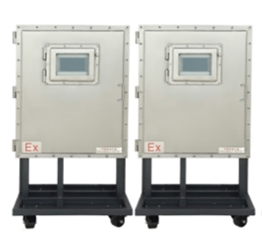
Online Biogas Analyzer OLGA2000
In the future, biogas digester systems are expected to play an increasingly important role in global efforts to reduce greenhouse gas emissions, manage waste, and promote sustainable energy solutions. As awareness grows and technology improves, biogas could become a mainstream source of renewable energy, providing both local communities and industrial sectors with a cleaner, more sustainable alternative to fossil fuels.
 Manufacturer of biogas analyzer, landfill gas analyzer and extraction monitor, anaerobic digester gas analyzer