
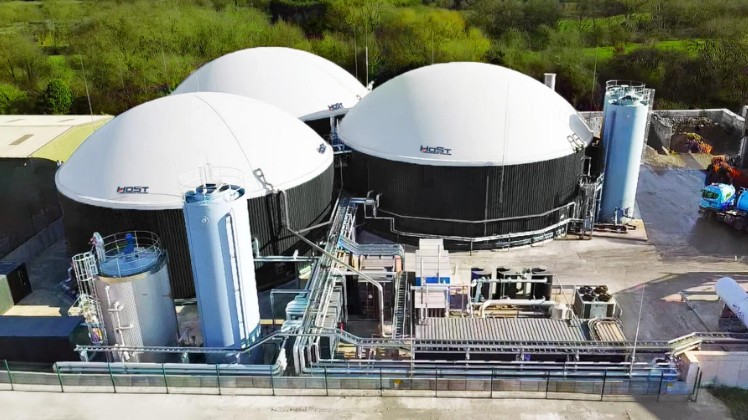
As demand for clean and renewable energy grows, biogas plants are becoming a preferred solution for managing organic waste while producing electricity, heat, or clean fuel. However, one of the key questions for businesses, farmers, and municipalities considering this technology is: What does it cost to install a biogas plant?
The answer depends on several interrelated factors, ranging from the type and scale of the system to local regulatory requirements. Understanding these factors is essential for accurate budgeting, efficient project planning, and long-term financial viability.
1. Size and Capacity of the Plant
One of the most significant cost drivers is the plant’s scale—measured by the daily volume of feedstock it can process or the amount of energy it can generate.
Small-scale digesters for home or farm use may cost between \$500 and \$5,000.
Medium-scale systems, such as those used in dairies or communities, typically range from \$50,000 to \$250,000.
Large industrial or municipal plants can cost several million dollars depending on capacity and design.
Larger plants benefit from economies of scale, reducing the cost per unit of energy produced, but they also require higher upfront capital and more complex management.
2. Type and Availability of Feedstock
The type, quantity, and consistency of organic feedstock influence both the design and cost of a biogas plant.
Manure, food waste, crop residues, and wastewater sludge each require specific preprocessing equipment.
High-energy feedstocks like food waste may need less volume to produce the same amount of gas.
Systems designed to handle mixed or variable feedstocks may require more robust and costly pretreatment and mixing mechanisms.
Transport and storage infrastructure must also be factored in if the feedstock is collected from multiple locations.
3. Technology and Design Choices
There are several types of biogas plant designs, and each affects overall cost:
Fixed-dome digesters: Inexpensive and commonly used in developing regions, but limited in capacity and control.
Floating-drum digesters: Slightly more costly, with better gas pressure management.
Plug-flow or continuous stirred tank reactors (CSTR): More suitable for large-scale applications; offer higher efficiency but are more expensive to build and maintain.
High-rate digesters or thermophilic systems cost more due to heating and process control systems but produce gas more quickly.
Choosing between batch and continuous flow systems also impacts complexity and cost.
4. Gas Utilization and Upgrading
The intended use of the biogas significantly influences project costs:
Electricity generation via gas engines or combined heat and power (CHP) units adds cost for generators, switchgear, and heat recovery systems.
Biogas upgrading to biomethane (Bio-CNG or Bio-LNG) for vehicle fuel or gas grid injection requires advanced cleaning technologies (e.g., membranes, water scrubbing), which can double or triple the cost of a basic plant.
Simple cooking gas systems are much cheaper, as they do not require gas cleaning or compression.
5. Construction and Infrastructure
Site-specific factors can greatly influence civil works costs:
Location and topography affect excavation, foundations, and water management.
Proximity to utilities such as electricity, water, and access roads determines connection costs.
Local material and labor availability also impact construction budgets.
In remote or challenging areas, logistics and transport can add a significant premium to the installation cost.
6. Monitoring Equipment
During the biogas production process, the required equipment is a biogas analyzer, which uses advanced photoelectric sensing principles to detect methane (CH4), oxygen (O2), carbon dioxide (CO2), hydrogen sulfide (H2S), etc. For example, the OLGA2000 biogas online monitoring system can be widely used in gas monitoring in landfill biogas power plants, petrochemicals, coal mines and other scenarios, and can achieve remote data transmission.
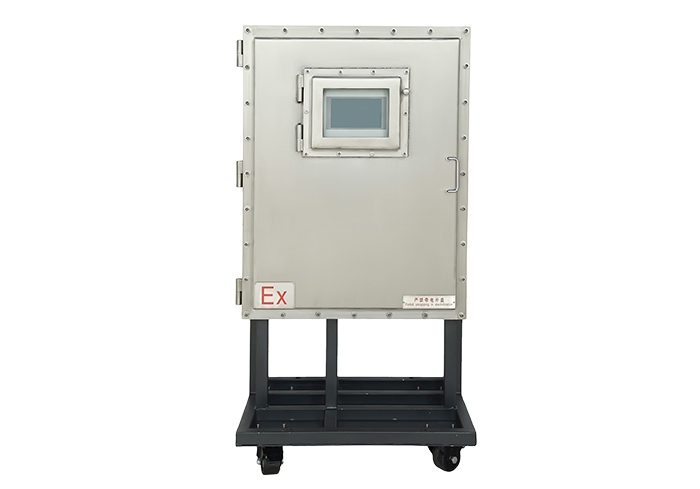
biogas online monitoring system OLGA2000
7. Regulatory Compliance and Permits
Complying with environmental, safety, and construction regulations can incur additional costs:
Environmental impact assessments (EIA)
Permits for waste handling or gas injection
Fire and explosion safety systems
Emission control systems to meet air or water quality standards
In some countries, incentives or subsidies help offset these costs, while in others, strict regulation increases overall project expense.
The total cost of biogas plant depends on a combination of technical, logistical, and regulatory factors. Understanding these elements not only helps in designing a cost-effective system but also ensures that the plant is scalable, sustainable, and suited to the user’s energy and waste management goals.
 Manufacturer of biogas analyzer, landfill gas analyzer and extraction monitor, anaerobic digester gas analyzer