
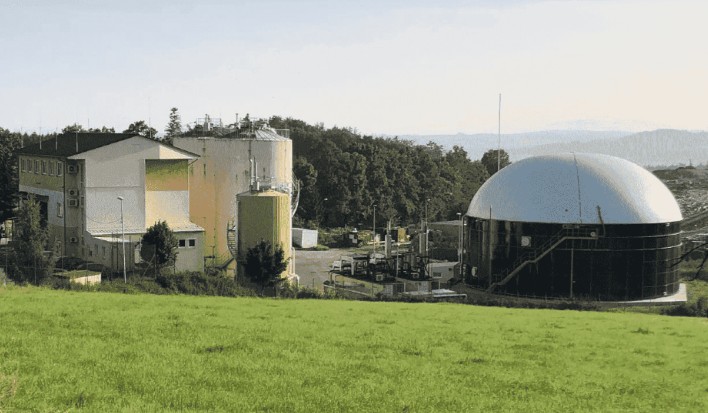
As the global demand for clean, renewable energy intensifies, companies with expertise in waste recovery and resource optimization are playing a pivotal role in shaping the energy future. One such company is SUEZ, a global leader in environmental services. Among its many innovations, SUEZ Biogas solutions have become a benchmark in converting organic waste into renewable energy, particularly through the use of anaerobic digestion and biogas recovery systems.
Who Is SUEZ?
SUEZ is a multinational utility company based in France, known for its leadership in water management, waste treatment, and resource recovery. Operating in over 40 countries, SUEZ provides solutions for sustainable development in sectors including municipal infrastructure, industry, agriculture, and healthcare.
In the field of biogas, SUEZ brings together deep technical expertise, engineering capabilities, and a strong track record of successful project implementation across diverse geographies and waste streams.
What Is Biogas and Why Does It Matter?
Biogas is a renewable energy source produced through the anaerobic digestion of organic waste—such as food scraps, sewage sludge, and agricultural residues. It primarily consists of methane (CH₄) and carbon dioxide (CO₂), and can be used for:
Electricity generation
Combined heat and power (CHP) systems
Upgrading to biomethane (BioCNG or BioLNG) for use as a vehicle fuel or injection into the natural gas grid
By capturing methane that would otherwise escape into the atmosphere, biogas systems significantly reduce greenhouse gas emissions while promoting circular resource use.
SUEZ Biogas Solutions: Turning Waste into Power
SUEZ applies biogas technologies in a variety of settings, including:
1. Municipal Wastewater Treatment Plants
SUEZ integrates anaerobic digestion into sewage sludge treatment, capturing biogas as a byproduct. The gas is then used to generate electricity and thermal energy, which can be used to power plant operations or sold to the grid.
2. Organic Waste Recovery Facilities
In partnership with local governments and waste authorities, SUEZ operates facilities that treat organic fractions of municipal solid waste (OFMSW). These plants produce biogas and nutrient-rich digestate, contributing to energy production and sustainable agriculture.
3. Agricultural and Industrial Sites
SUEZ designs biogas systems tailored to the needs of farms, dairies, and food processing industries. These systems manage livestock manure and process waste efficiently while generating usable energy on-site.
Key Strengths of SUEZ in Biogas Development
Integrated Engineering and Operation
SUEZ provides end-to-end services, including:
Project feasibility and financing
Facility design and construction
Operation, maintenance, and optimization
Compliance with environmental and safety standards
Biogas Upgrading to Biomethane
SUEZ has developed advanced systems for upgrading raw biogas into grid-quality biomethane, suitable for pipeline injection or use as vehicle fuel. This process involves removing CO₂, H₂S, and water vapor using technologies such as membrane separation and water scrubbing.
Digital Monitoring and Smart Operations
SUEZ employs digital tools and AI-driven platforms to monitor gas flow, energy output, and system efficiency in real-time. These capabilities improve reliability, optimize performance, and reduce operational costs.
With decades of experience and a global footprint, SUEZ has established itself as a leader in the biogas sector, offering comprehensive solutions that align environmental responsibility with economic value. As the pressure to decarbonize intensifies, SUEZ’s biogas technologies will continue to play a crucial role in helping communities and industries transition to a more sustainable, circular, and resilient energy model.
 Manufacturer of biogas analyzer, landfill gas analyzer and extraction monitor, anaerobic digester gas analyzer