
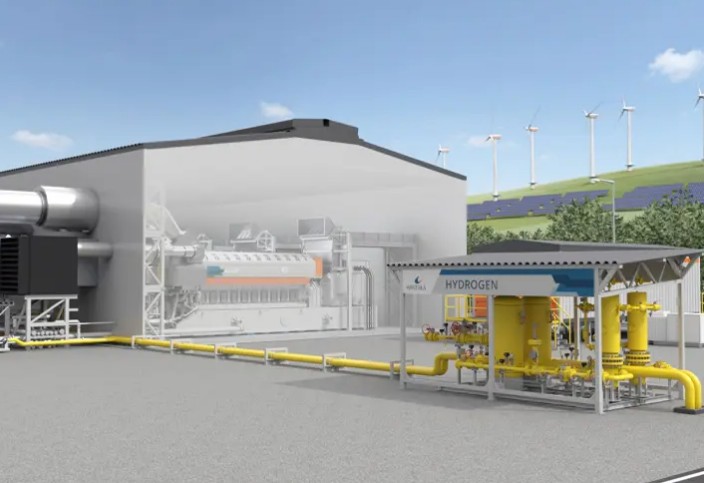
In the global transition toward low-emission and decentralized power systems, biogas has emerged as a vital renewable energy source. Among the leaders in biogas-to-power technology is Wärtsilä, a Finnish company known for its high-efficiency engines and integrated energy solutions. Wärtsilä’s biogas engines are specifically designed to convert organic waste-derived gas into reliable and efficient power. This article explores how these engines work and the ways they optimize energy production across various sectors.
The Role of Biogas in Renewable Energy
Biogas is produced through anaerobic digestion of organic waste such as agricultural residues, food waste, and sewage sludge. The resulting gas—composed mainly of methane and carbon dioxide—can be cleaned and used as a renewable fuel for power generation.
Biogas offers significant advantages:
- Reduces greenhouse gas emissions by capturing methane
- Supports waste management and circular economy principles
- Enables local, decentralized energy production
However, utilizing biogas efficiently requires specialized technology capable of handling variable gas quality and maximizing energy output. That’s where Wärtsilä’s engine systems come in.
Wärtsilä’s Expertise in Gas Engine Technology
Wärtsilä has decades of experience in gas-fueled engine development, with proven installations in over 180 countries. Their biogas engines are based on the same robust architecture as their natural gas engines but adapted to handle the specific challenges of biogas fuels.
Key Technologies That Optimize Energy Production
1. Advanced Engine Control Systems
Wärtsilä’s engines feature intelligent control systems that continuously monitor gas composition, temperature, pressure, and load. These systems automatically adjust combustion parameters in real time to maintain optimal efficiency and reduce emissions—even with fluctuating gas quality.
2. High Electrical Efficiency
Wärtsilä biogas engines achieve electrical efficiencies of up to 44% in single-cycle operation. When integrated into a combined heat and power (CHP) configuration, overall system efficiency can exceed 85%. This level of performance significantly improves energy yield from each cubic meter of biogas.
3. Fuel Flexibility and Robust Design
Biogas often contains impurities such as hydrogen sulfide (H₂S), moisture, and siloxanes. Wärtsilä engines are built with corrosion-resistant materials and filtration systems to handle such contaminants. This enhances durability and reduces maintenance frequency.
4. Modular and Scalable Systems
Wärtsilä offers modular biogas engine setups that can be scaled to match different project sizes—from small agricultural digesters to large industrial or municipal facilities. These modular systems also allow for future expansion as biogas production increases.
5. Combined Heat and Power (CHP) Integration
Wärtsilä biogas engines are ideal for cogeneration systems. In a CHP setup, waste heat from the engine is recovered and used for heating digesters, buildings, or industrial processes. This dual output approach improves energy efficiency, reduces operating costs, and minimizes energy waste.
Application
Wärtsilä biogas engines are used in a wide range of industries and facilities, including:
- Agriculture: Farms and livestock operations turning manure into power and heat
- Municipalities: Wastewater treatment plants using digester gas for self-sufficiency
- Food Processing: Converting food waste into on-site electricity and thermal energy
- Landfills: Capturing landfill gas to generate electricity and reduce emissions
Wärtsilä biogas engines represent a high-performance, scalable, and environmentally responsible solution for converting organic waste into valuable energy. With cutting-edge control systems, high efficiency, and flexibility across feedstocks, these engines are helping industries and municipalities unlock the full potential of biogas.
 Manufacturer of biogas analyzer, landfill gas analyzer and extraction monitor, anaerobic digester gas analyzer