
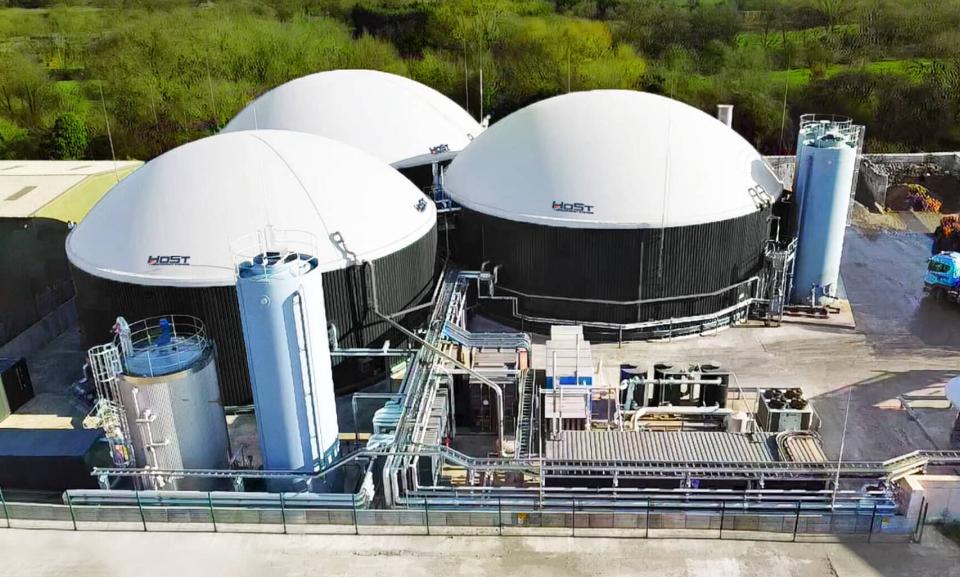
As the world shifts toward cleaner energy solutions, Bio CNG (Compressed Natural Gas derived from biogas) has emerged as a sustainable and economically viable alternative to fossil fuels. Bio CNG is chemically identical to natural gas but produced from organic waste, making it renewable and carbon-neutral. This guide outlines the entire Bio CNG manufacturing process—from feedstock to fuel-ready gas.
What Is Bio CNG?
Bio CNG is a purified form of biogas that has been upgraded to meet the quality standards of commercial natural gas. It typically contains over 95% methane and is compressed to high pressure for use as a transportation fuel or for industrial heating purposes. Compared to conventional CNG, Bio CNG offers the added advantage of being derived from renewable sources, such as agricultural waste, food residues, or sewage sludge.
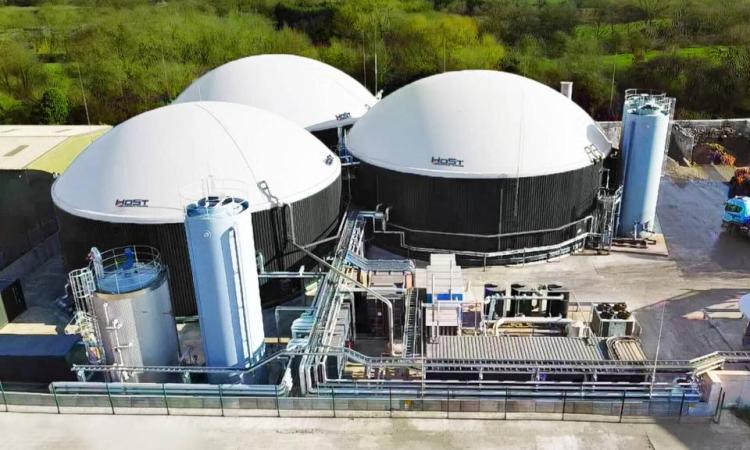
Step-by-Step Bio CNG Manufacturing Process
1. Feedstock Collection and Preparation
The process begins with the collection of organic waste. Common feedstocks include:
- Agricultural residues
- Livestock manure
- Municipal solid waste
- Food processing waste
- Industrial organic by-products
The feedstock is pre-treated to remove non-biodegradable materials and is sometimes shredded or diluted to facilitate further processing.
2. Anaerobic Digestion
Prepared organic material is transferred to an anaerobic digester—an oxygen-free chamber where microbial activity breaks down organic matter. This biological process, known as anaerobic digestion, typically takes between 15 to 30 days and produces:
- Biogas (a mixture of methane, carbon dioxide, and trace gases)
- Digestate (a semi-solid by-product rich in nutrients)
During the biogas production process, a biogas analyzer is needed to monitor the composition of the biogas. For example, the OLGA2000 biogas online monitoring system uses advanced photoelectric sensing principles to detect and analyze methane (CH4), oxygen (O2), carbon dioxide (CO2), hydrogen sulfide (H2S) and other gases.
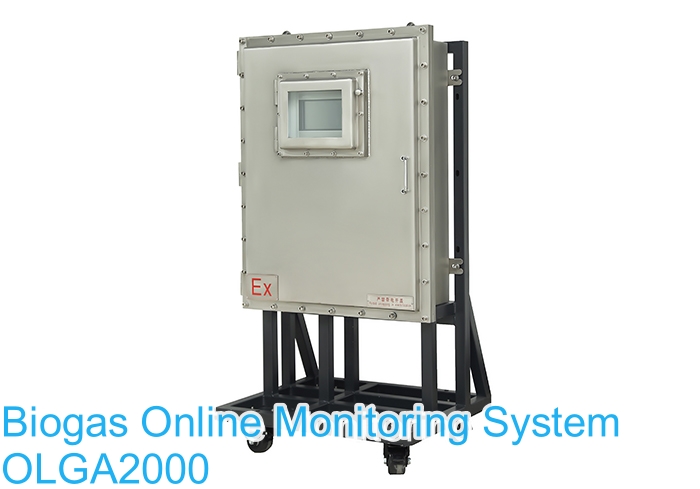
biogas online monitoring system OLGA2000
3. Biogas Cleaning and Upgrading
Raw biogas typically contains 50-60% methane, along with carbon dioxide (CO₂), hydrogen sulfide (H₂S), moisture, and other impurities. To make it suitable for compression and use as a vehicle fuel, the biogas must undergo cleaning and upgrading. This stage includes:
- Desulfurization: Removing H₂S to prevent corrosion
- Moisture removal: Using chillers or dryers to eliminate water vapor
- CO₂ separation: Various technologies like pressure swing adsorption (PSA), water scrubbing, or membrane separation are used to increase methane concentration above 95%
The result is high-purity biomethane—Bio CNG.
4. Compression and Storage
The upgraded biomethane is compressed to high pressures (200–250 bar) using gas compressors. It is then stored in high-pressure cylinders or cascades. Compression is essential for transporting and dispensing the gas for vehicle or industrial use.
5. Distribution and Utilization
Once compressed, Bio CNG can be:
- Used as a fuel for CNG-compatible vehicles, such as buses, trucks, and passenger cars
- Fed into existing natural gas pipelines, provided it meets grid specifications
- Used on-site for industrial heating or power generation
In addition, the digestate left over from anaerobic digestion can be processed into biofertilizer, closing the resource loop.
Environmental and Economic Advantages
The Bio CNG production process offers multiple environmental and economic benefits:
- Carbon neutrality: Captures methane that would otherwise be released into the atmosphere
- Waste reduction: Converts organic waste into useful energy and fertilizer
- Energy independence: Provides a local, renewable energy source
- Air quality improvement: Bio CNG emits significantly fewer particulates and nitrogen oxides than diesel or petrol
Applications of Bio CNG
- Transportation: Fuel for city buses, delivery fleets, and long-haul trucks
- Industrial use: Clean-burning fuel for boilers and thermal processes
- Agriculture: On-site use for heating or machinery in farms and dairies
- Energy generation: Can be used to generate electricity in CHP units
Bio CNG is a promising alternative to fossil-based fuels, particularly in countries with abundant organic waste resources. Its production process is both technologically mature and environmentally sustainable. By converting waste into clean, high-energy fuel, Bio CNG offers a pathway toward a circular economy and a low-carbon future.
 Manufacturer of biogas analyzer, landfill gas analyzer and extraction monitor, anaerobic digester gas analyzer