
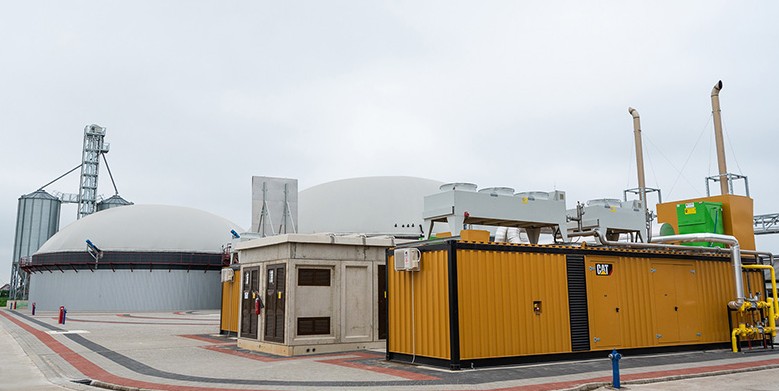
As the world shifts toward renewable and decentralized energy sources, biogas Combined Heat and Power (CHP) plants are gaining attention for their ability to turn organic waste into clean electricity and heat. But how exactly does this technology work, and why is it a smart solution for sustainable energy?
In this article, we’ll explore how a biogas CHP plant operates—step by step—from waste input to efficient energy output.
What Is a Biogas CHP Plant?
A biogas CHP plant is a facility that uses organic waste (like agricultural residues, food waste, or sewage sludge) to produce biogas through anaerobic digestion. This biogas is then used in a CHP unit to generate electricity and heat simultaneously.
CHP (also called cogeneration) is an energy-efficient technology that extracts more usable energy from fuel than traditional power generation methods. It is ideal for locations that need both electricity and thermal energy, such as farms, food processing facilities, wastewater treatment plants, and industrial sites.
Step-by-Step: How It Works
1. Organic Waste Collection
The process starts with the collection of biodegradable materials such as:
- Livestock manure
- Crop residues
- Food waste
- Sewage sludge
These materials are gathered and pre-treated (if necessary) to remove contaminants like plastics or metals.
2. Anaerobic Digestion
The prepared organic material is fed into a digester—a sealed, oxygen-free tank where bacteria break down the waste through a process called anaerobic digestion. This biological process generates:
- Biogas (mainly methane and carbon dioxide)
- Digestate (a nutrient-rich slurry used as fertilizer)
- This process typically takes 15–30 days depending on the feedstock and operating conditions.
3. Biogas Cleaning and Conditioning
Raw biogas contains impurities such as:
- Hydrogen sulfide (H₂S)
- Moisture
- Siloxanes
To protect the CHP engine and improve efficiency, the biogas is passed through gas cleaning systems that remove these contaminants and adjust moisture and pressure levels.
4. Combined Heat and Power (CHP) Generation
Once cleaned, the biogas is fed into a CHP unit, which consists of:
- A gas engine or turbine
- A generator for electricity
- A heat recovery system
The biogas is combusted in the engine to generate electricity. The heat from the engine’s exhaust and cooling systems is captured and used for:
- Heating the digester (to maintain optimal digestion temperature)
- Supplying hot water or steam for nearby buildings or industrial processes
Efficiency:
- CHP systems can achieve total efficiency levels of 75–90%, far exceeding conventional electricity-only generation.
5. Energy Utilization and Grid Integration
The electricity generated can be:
- Used on-site to power equipment or buildings
- Exported to the power grid for revenue
- The heat is typically used locally, creating a closed-loop energy system with minimal losses.
6. Use of Digestate
The leftover digestate is rich in nutrients like nitrogen, phosphorus, and potassium. It can be:
- Used as a biofertilizer on farms
- Further treated for nutrient recovery or drying
- This adds another layer of sustainability to the process.
Benefits of Biogas CHP Plants
- High efficiency through simultaneous electricity and heat production
- Reduced greenhouse gas emissions by capturing methane
- Waste reduction and valorization of organic by-products
- Energy independence for farms and industries
- Revenue streams from electricity sales, heat usage, and digestate
A biogas CHP plant exemplifies the principles of the circular economy—transforming waste into valuable resources while minimizing environmental impact. As energy costs rise and sustainability becomes a global imperative, these systems offer a resilient and eco-friendly solution to meet local energy needs.
Whether you’re a farmer, industrial operator, or municipality, investing in biogas CHP is not just good for the planet—it’s smart business.
 Manufacturer of biogas analyzer, landfill gas analyzer and extraction monitor, anaerobic digester gas analyzer