
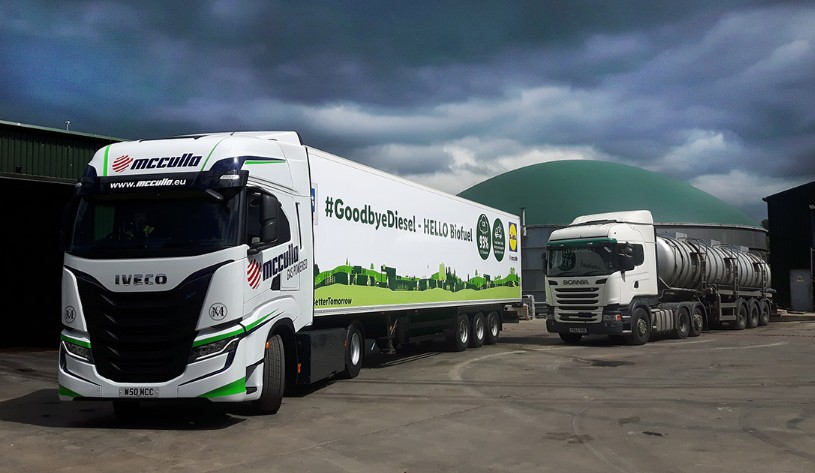
Biogas is a clean, renewable energy source derived from the anaerobic digestion of organic matter such as animal manure, food waste, and agricultural residues. Composed primarily of methane (CH₄) and carbon dioxide (CO₂), biogas has gained global recognition as a versatile solution for sustainable energy production. Its applications go far beyond rural cooking—today, biogas powers homes, runs vehicles, and fuels electricity generation systems, providing a reliable and eco-friendly alternative to fossil fuels.
1. Biogas for Cooking
How It Works
Biogas can be piped directly into stoves designed or modified for gas use. In household or community-scale digesters, biogas is typically stored in a flexible gas bag or dome and delivered through pipelines to kitchen appliances.
Advantages
- Clean Burning: Produces fewer pollutants compared to wood, coal, or kerosene.
- Cost-effective: Reduces reliance on LPG and firewood, saving households money.
- Local Energy Source: Especially beneficial in rural areas with limited access to gas or electricity grids.
- Improved Health: Reduces indoor air pollution from smoke, lowering respiratory issues.
Common Applications
- Rural households in developing countries
- Small communities and eco-villages
- Farm-based systems using animal manure
2. Biogas for Power Generation
Electricity and Heat
Biogas can be used to generate electricity through internal combustion engines, microturbines, or fuel cells. The waste heat from this process can also be captured and used, creating a combined heat and power (CHP) system.
Scale and Use Cases
- Small-Scale Units: Suitable for farms, small businesses, and residential complexes.
- Large-Scale Plants: Serve municipalities or industries processing large volumes of organic waste.
Benefits
- Energy Independence: Allows users to generate electricity on-site.
- Grid Support: Surplus electricity can be fed into the power grid in some regions.
- Sustainable Waste Management: Integrates energy production with waste reduction.
Example
A dairy farm with hundreds of cows may produce enough manure daily to generate electricity for both the farm and nearby homes, while also using the heat to warm barns or greenhouses.
3. Biogas as Vehicle Fuel
Biogas to Bio-CNG
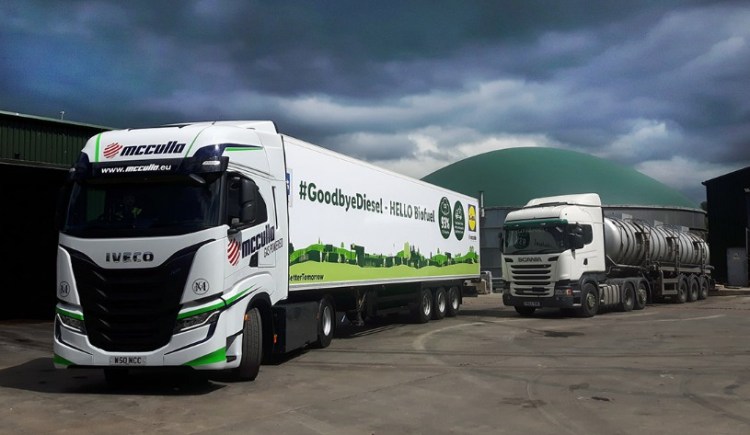
When biogas is purified to remove CO₂and other impurities, it becomes biomethane, or bio-compressed natural gas (Bio-CNG). This upgraded fuel is chemically similar to conventional CNG and can be used in natural gas vehicles.
Applications
- Buses, taxis, and delivery vehicles in urban areas
- Agricultural and industrial transport fleets
- Private vehicles in regions with biogas filling stations
Advantages
- Lower Emissions: Reduces greenhouse gases and particulate matter compared to diesel and petrol.
- Renewable and Locally Produced: Cuts down on fuel imports and promotes energy security.
- Economic Opportunity: Farmers, municipalities, and private companies can profit by selling upgraded biogas.
Global Examples
- Sweden and Germany: Leading countries in using biogas for public transportation.
- India: Government-supported Bio-CNG projects fueling buses and tractors.
Challenges and Considerations
While biogas offers numerous benefits, its widespread adoption requires addressing a few challenges:
- Initial Cost: Digesters, purification units, and infrastructure can require significant investment.
- Feedstock Supply: Consistent and sufficient organic waste is essential for continuous gas production.
- Technology and Maintenance: Systems require regular maintenance and trained operators, particularly in large-scale or high-tech setups.
Biogas is a powerful example of circular economy in action—turning waste into clean, usable energy. Its flexibility to support cooking, electricity generation, and vehicle fueling makes it a cornerstone of decentralized and sustainable energy systems. As countries seek to reduce carbon emissions and increase energy access, biogas stands out as a practical and scalable solution for both rural and urban settings.
 Manufacturer of biogas analyzer, landfill gas analyzer and extraction monitor, anaerobic digester gas analyzer