
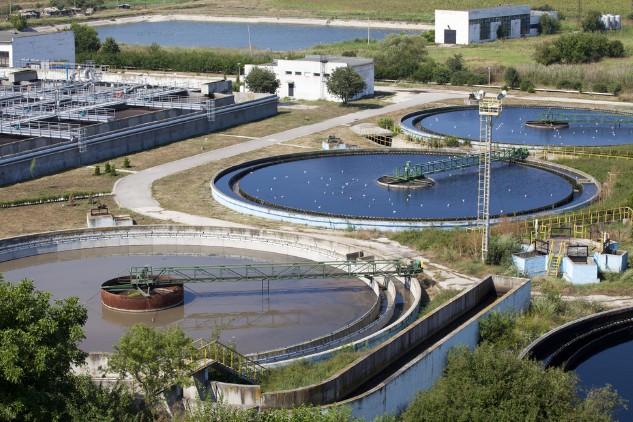
Biogas technology has come a long way from its early days as a simple solution for waste disposal and basic energy production. As global interest in renewable energy intensifies, the focus has shifted toward making biogas systems more efficient, scalable, and stable. Advanced biogas systems now integrate modern engineering, automation, and microbial science to enhance gas yields, operational reliability, and economic performance.
What Are Advanced Biogas Systems?
Advanced biogas systems are upgraded versions of traditional anaerobic digesters. They incorporate:
- Optimized reactor designs
- Enhanced process control and monitoring
- Advanced pre-treatment and feedstock management
- Upgrading technologies to purify biogas into biomethane
The goal is to maximize methane production, ensure system stability, and reduce downtime and maintenance costs.
Key Innovations in Advanced Biogas Systems
1. High-Rate Digesters
Traditional digesters often require large volumes and long retention times. Advanced systems use designs such as:
- Upflow Anaerobic Sludge Blanket (UASB) reactors
- Continuous Stirred Tank Reactors (CSTRs)
- Fixed film or anaerobic membrane bioreactors
These allow for faster digestion, higher loading rates, and more compact installations.
2. Feedstock Pre-treatment
Pre-treatment increases the biodegradability of complex organic materials. Methods include:
- Mechanical (grinding, shredding)
- Thermal (heating)
- Chemical (alkaline or acid treatment)
- Biological (enzymatic breakdown)
These processes can boost biogas yield by 20–50%, especially when using lignocellulosic biomass or food waste.
3. Co-Digestion Strategies
Mixing multiple types of feedstock—like manure, food waste, and crop residues—can balance nutrient levels and improve digestion efficiency. Co-digestion:
- Increases microbial activity
- Reduces inhibition risks
- Enhances biogas production
4. Real-Time Monitoring and Automation
Modern systems employ sensors and digital controls to monitor:
- pH
- Temperature
- Volatile fatty acids
- Biogas composition
Automation allows for precise feedstock dosing, early fault detection, and automatic gas flow regulation, ensuring a stable and optimized process.
Such as the GASCHEK1000 portable biogas analyzer, use advanced photoelectric sensing principles to detect and analyze methane (CH4), oxygen (O2), carbon dioxide (CO2), hydrogen sulfide (H2S) and other gases, and accurately report , while effectively checking the digestive process.

5. Biogas Upgrading to Biomethane
To increase commercial value, many advanced systems include upgrading technologies to remove CO₂, H₂S, and moisture. Common methods include:
- Pressure Swing Adsorption (PSA)
- Water or chemical scrubbing
- Membrane separation
Upgraded biogas (biomethane) can be used in natural gas grids, vehicle fuel (Bio-CNG), or high-efficiency power generation.
Improving Yield and Stability: Why It Matters
1. Enhanced Energy Output
With higher methane content and conversion efficiency, advanced systems produce more usable energy from the same amount of organic waste.
2. Better Return on Investment
Higher yields mean more energy to sell or use, while improved stability reduces maintenance and operational costs.
3. Reduced Environmental Impact
Efficient digestion means less untreated waste, fewer emissions, and more effective use of digestate as organic fertilizer.
4. Scalability
Advanced biogas plants can be adapted for a range of scales—from small farms to industrial facilities—making them a flexible energy solution.
Applications of Advanced Biogas Systems
- Municipal wastewater treatment
- Food and beverage industry
- Livestock farms
- Agricultural cooperatives
- Urban organic waste processing
These systems are particularly effective where waste generation is continuous and energy needs are stable or growing.
Case Study: Biogas Upgrading in Europe
In several European countries, upgraded biogas systems have enabled injection of biomethane into national gas grids. Germany and Sweden have successfully integrated advanced biogas plants that produce fuel for public buses, reducing both urban air pollution and fossil fuel dependence.
Advanced biogas systems represent the next frontier in sustainable waste-to-energy solutions. By improving gas yield, enhancing operational stability, and enabling greater scalability, they make biogas more competitive with other renewable and conventional energy sources. As technology advances and the demand for green energy rises, these systems will play an increasingly vital role in the global energy mix.
 Manufacturer of biogas analyzer, landfill gas analyzer and extraction monitor, anaerobic digester gas analyzer