
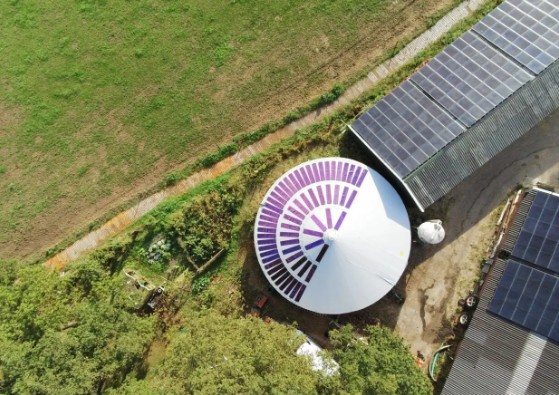
As the world intensifies efforts to reduce dependence on fossil fuels, renewable energy technologies continue to evolve. Among these innovations is the integration of solar power and biogas systems—a hybrid approach that combines the strengths of both technologies to create a more reliable, efficient, and sustainable energy solution. Solar-biogas hybrid systems are particularly well-suited for rural and agricultural settings, where energy demand is often off-grid and feedstock for biogas is readily available.
Understanding the Components
1. Biogas System
Biogas is produced through the anaerobic digestion of organic waste—such as animal manure, crop residues, and food scraps. The gas, primarily composed of methane (CH₄) and carbon dioxide (CO₂), can be used for:
Cooking
Heating
Electricity generation (via biogas generators)
2. Solar Photovoltaic (PV) System
Solar panels convert sunlight into direct current (DC) electricity. This electricity can be used directly, stored in batteries, or converted into alternating current (AC) for household or industrial use.
How the Hybrid System Works
In a solar-biogas hybrid system, both energy sources are integrated to complement each other:
Daytime: Solar panels provide electricity during sunlight hours. Excess energy can charge batteries for evening use.
Nighttime or Cloudy Conditions: The biogas generator supplies power when solar output is insufficient.
Heating Needs: Biogas can also provide thermal energy, especially in colder climates where solar heat alone may not be adequate.
The integration is managed through a control system that switches between energy sources based on availability and load requirements, ensuring uninterrupted power.
Benefits of Solar-Biogas Hybrid Systems
1. Complementary Availability
Solar energy is intermittent and varies by time of day and weather, while biogas can be stored and used on demand. Their combination ensures 24/7 energy supply, improving energy security.
2. Load Management
Hybrid systems can handle variable loads more effectively. Solar energy can meet peak daytime demand, while biogas supports evening or backup power needs.
3. Sustainability
Both solar and biogas are renewable, low-carbon sources. When combined, they further reduce greenhouse gas emissions and reliance on fossil fuels.
4. Cost Efficiency
By reducing dependence on grid electricity or diesel generators, hybrid systems can lower operational costs over time. Initial investment may be high, but return on investment (ROI) improves with fuel savings and incentives.
5. Waste Management
Biogas systems utilize organic waste that would otherwise decompose and emit methane into the atmosphere. This not only creates energy but also reduces environmental pollution.
6. Versatility
These systems can be customized for:
Homes and farms
Off-grid villages
Food processing units
Small and medium enterprises (SMEs)
Typical Applications
Rural Electrification: Bringing consistent electricity to remote areas without grid access.
Agricultural Farms: Using animal waste for biogas and solar panels for electricity and water pumping.
Educational and Health Facilities: Ensuring reliable energy for lighting, refrigeration, and medical equipment.
Case Study: India’s Rural Energy Push
In rural India, several pilot projects have demonstrated the success of solar-biogas hybrid systems. Farms equipped with small biogas plants and rooftop solar panels now enjoy uninterrupted electricity and cooking gas, improving livelihoods and reducing energy poverty. These systems also support agricultural productivity by powering irrigation pumps and cold storage units.
Solar-biogas hybrid systems represent a forward-thinking approach to clean energy production, combining the predictability and scalability of biogas with the simplicity and availability of solar power. For regions with access to both organic waste and abundant sunlight, these systems offer a sustainable, resilient, and cost-effective energy solution.
 Manufacturer of biogas analyzer, landfill gas analyzer and extraction monitor, anaerobic digester gas analyzer