
Biogas has emerged as a sustainable and economically viable renewable energy source. It is produced through the anaerobic digestion of organic materials such as agricultural waste, food scraps, animal manure, and industrial effluents. While various factors influence the total cost of producing biogas, feedstock selection is arguably one of the most critical. The type, availability, composition, and handling requirements of feedstock can dramatically affect both operational and capital costs.
Types of Feedstocks and Their Cost Implications
1. Energy Crops
Energy crops like maize silage, sorghum, or grasses are specifically cultivated for biogas production due to their high methane yields. However, they come with significant costs:
Land use and cultivation costs
Fertilizer and irrigation inputs
Harvesting, transportation, and storage
Although energy crops can yield up to 200–300 m³ of biogas per tonne, their cost per unit of energy is relatively high due to the entire agricultural cycle involved.
2. Agricultural Residues
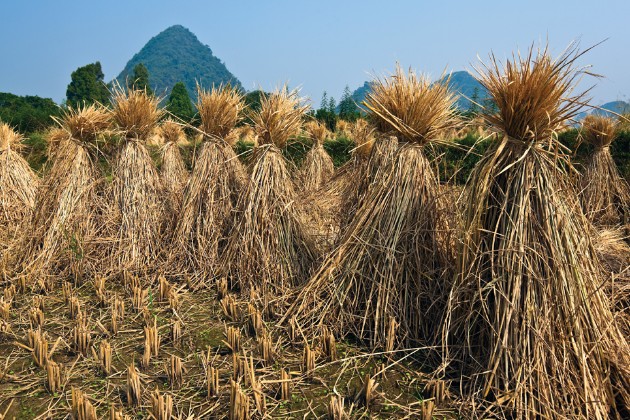
These include crop residues such as straw, husks, and leaves. They are typically less expensive because they are byproducts of existing agricultural processes. However:
Collection and transportation can be logistically challenging.
Pre-treatment, such as shredding or adjusting moisture content, may be necessary to improve digestibility.
These residues offer moderate methane yields but are attractive for cost-effective, environmentally sustainable biogas systems.
3. Animal Manure
Animal waste is commonly used in on-farm biogas plants and is often available at little or no cost. In some cases, farms pay to dispose of excess manure, turning it into a negative-cost feedstock. Despite the low methane yield (20–40 m³ per tonne), it offers:
Stable supply
No purchase cost
On-site availability, minimizing transportation expenses
However, its high water content requires larger digester volumes and adds to processing costs.
4. Food and Organic Industrial Waste
Wastes from food processing industries, restaurants, and households can provide high methane yields and may come with tipping fees, where producers are paid to accept the waste. On the downside:
Contamination can require pre-treatment like sorting or sterilization.
Odor control and hygiene systems are often necessary.
When managed properly, these wastes can be economically and energetically efficient feedstocks.
Key Cost Drivers Related to Feedstock
1. Methane Yield
Higher methane content per tonne of feedstock means less material is needed to produce the same energy output, reducing handling, digestion, and post-treatment costs. Therefore, methane yield directly influences:
Size of the digester
Retention time
Overall energy output
2. Collection and Transportation
Feedstocks that are bulky or have high moisture content (like manure) can incur high transport costs per unit of energy. Co-locating biogas plants near the feedstock source is a proven method to control this expense.
3. Storage and Handling
Some feedstocks, especially those with seasonal availability (like maize), require proper storage systems. This adds to capital investment. In contrast, feedstocks with year-round availability reduce the need for large storage facilities.
4. Pre-treatment Needs
Certain feedstocks, particularly fibrous or contaminated ones, need physical, chemical, or biological pre-treatment to be digestible. These processes add to both capital and operational costs.
Strategies to Optimize Feedstock Costs
1. Use of Mixed Feedstocks (Co-digestion)
Combining high-energy but costly feedstocks with low-cost waste materials can balance yield and expenses while improving digestion stability.
2. Local Sourcing
Choosing feedstocks located near the plant can dramatically cut transportation costs, which are a major component of total production expenses.
3. Contractual Agreements
Securing long-term feedstock supply agreements with farms or food processors ensures price stability and reliability.
4. On-Site Integration
For farms and food processing facilities, integrating digesters directly into operations allows the use of waste at the point of generation, cutting logistics and disposal costs.
Feedstock selection is at the heart of biogas production cost. While high-yield energy crops offer reliable gas output, their production and land use costs are significant. Low-cost feedstocks like manure and food waste may require more handling but provide economic and environmental advantages. A well-balanced strategy that considers feedstock type, availability, methane potential, and logistics is essential for making biogas a truly sustainable and financially viable energy solution.
 Manufacturer of biogas analyzer, landfill gas analyzer and extraction monitor, anaerobic digester gas analyzer