
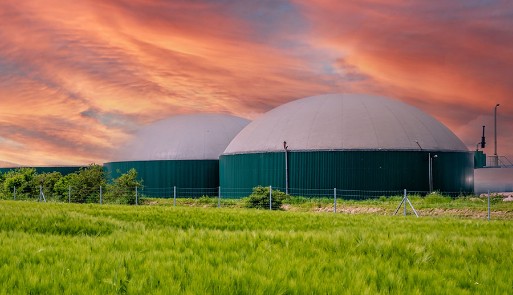
Biogas, a renewable energy source produced via the anaerobic digestion of organic materials, typically contains around 50–70% methane (CH₄), 30–50% carbon dioxide (CO₂), and trace amounts of water vapor, hydrogen sulfide (H₂S), and other impurities. While raw biogas is valuable, its direct use is often limited due to its low energy density and high CO₂ content.
Biogas upgrading to biomethane—a purified form of methane comparable in quality to natural gas—significantly expands its potential applications, including injection into the natural gas grid and use as a vehicle fuel. This article outlines the key technologies and methods involved in upgrading biogas to biomethane.
What Is Biomethane?
Biomethane is biogas that has undergone cleaning and upgrading to remove impurities and increase methane concentration to above 96%. Once upgraded, it has similar combustion properties to fossil natural gas and can be used interchangeably in existing infrastructure.
Why Upgrade Biogas?
Upgrading biogas enhances its:
- Energy value (higher methane content)
- Versatility (usable for transport, electricity generation, and grid injection)
- Environmental benefit (reduces CO₂ emissions and reliance on fossil fuels)
- Market value (biomethane is a premium renewable fuel)
Key Biogas Upgrading Technologies
Several methods are available to remove CO₂ and impurities from raw biogas. The choice of technology depends on the scale of production, economic considerations, and end-use requirements.
1. Water Scrubbing
Process: Biogas is passed through a column where water absorbs CO₂ and H₂S due to their higher solubility compared to methane.
Advantages:
- Simple and widely used
- No chemicals required
Limitations:
- High water usage
- May require water treatment and recycling
2. Pressure Swing Adsorption (PSA)
Process: Biogas is pressurized and passed through adsorbent materials (e.g., activated carbon or zeolites) that capture CO₂, H₂S, and moisture. The adsorbents are later regenerated by lowering the pressure.
Advantages:
- Produces high-purity biomethane
- Dry process (no water usage)
Limitations:
- Complex and expensive setup
- Sensitive to gas impurities
3. Membrane Separation
Process: Biogas is forced through semi-permeable membranes that separate gases based on molecular size and diffusion rate. CO₂ passes through more readily than methane.
Advantages:
- Modular and scalable
- Energy efficient
- Compact design
Limitations:
- May require multiple stages for high purity
- Sensitive to contaminants like H₂S and water

4. Chemical Absorption
Process: Uses chemical solvents (usually amines) to selectively bind and remove CO₂ from biogas. The CO₂-rich solvent is then regenerated with heat to release the CO₂ and reuse the solvent.
Advantages:
- High CO₂ removal efficiency
- Can handle variable gas compositions
Limitations:
- High energy consumption
- Requires chemical handling and regeneration
5. Cryogenic Separation
Process: Involves cooling biogas to extremely low temperatures to liquefy and separate methane and CO₂ based on their different boiling points.
Advantages:
- Produces liquefied biomethane (Bio-LNG)
- High methane purity
Limitations:
- Very energy intensive
- Complex and costly
Biogas Pre-Treatment Requirements
Before upgrading, biogas typically undergoes pre-treatment to remove:
- Hydrogen sulfide (H₂S): corrosive and harmful to catalysts
- Moisture: can freeze or reduce efficiency
- Siloxanes: cause equipment fouling and abrasion
Common pre-treatment technologies include:
- Activated carbon filtration
- Chilling and condensation
- Iron oxide or biological desulfurization
End Uses of Biomethane
Once upgraded, biomethane can be:
- Injected into natural gas pipelines
- Compressed into CBG (compressed biomethane gas) for vehicles
- Liquefied into Bio-LNG for heavy-duty transport
- Used in combined heat and power (CHP) plants
- Stored as renewable energy for balancing supply-demand in power grids
Upgrading biogas to biomethane is a vital step in unlocking its full potential as a clean, renewable, and versatile energy source. With various mature and emerging technologies available, project developers can tailor solutions based on economic and environmental goals. As global energy systems shift toward decarbonization, biomethane will play an increasingly critical role in replacing fossil fuels and enabling a circular, sustainable bioeconomy.
 Manufacturer of biogas analyzer, landfill gas analyzer and extraction monitor, anaerobic digester gas analyzer