
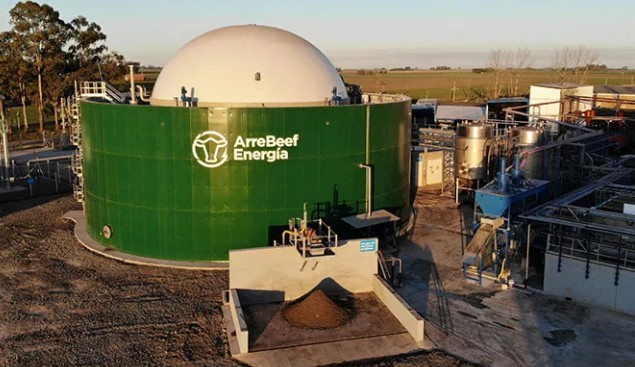
Anaerobic digestion (AD) has emerged as a reliable technology for converting organic waste into biogas—a clean and renewable source of energy. While the process is naturally efficient, there are numerous ways to optimize biogas production to increase methane yield, improve process stability, and reduce operational costs. With growing demand for sustainable energy and circular waste management, optimizing AD systems is more important than ever.
1. Understanding the Basics of Anaerobic Digestion
Anaerobic digestion is a microbial process where bacteria and archaea break down organic matter in the absence of oxygen. The process occurs in four biological stages—hydrolysis, acidogenesis, acetogenesis, and methanogenesis—ultimately producing methane (CH₄) and carbon dioxide (CO₂) as the main components of biogas. To optimize biogas production, it’s essential to maintain favorable conditions for these microbes throughout all stages.
2. Feedstock Selection and Pre-treatment
Feedstock Composition
The type and quality of feedstock significantly influence biogas yield. Organic wastes with high volatile solids (VS) and biodegradable content, such as:
- Food waste
- Manure
- Energy crops
- Industrial sludge
Carbon-to-Nitrogen Ratio (C/N)
An optimal C/N ratio of 20–30:1 is ideal. Too much nitrogen leads to ammonia toxicity, while excess carbon can slow down digestion.
Pre-treatment Methods
Mechanical, thermal, chemical, or biological pre-treatment can break down complex organic structures, especially in lignocellulosic biomass, making it easier for microbes to digest:
- Grinding or shredding
- Steam explosion
- Enzymatic hydrolysis
- Alkali treatment
3. Temperature Control
Maintaining a stable temperature is critical. Anaerobic digestion can occur under:
- Mesophilic conditions (30–40°C): more stable, commonly used
- Thermophilic conditions (50–60°C): faster digestion but more sensitive to fluctuations
Temperature shifts can inhibit microbial activity, so digester heating and insulation are essential for optimal gas production.
4. pH and Alkalinity Balance
AD systems work best at a pH between 6.8 and 7.5. If the pH falls too low (acidic) or too high (alkaline), methanogenesis slows down or stops. Buffering capacity from bicarbonate alkalinity helps stabilize pH.
Regular monitoring and adjustment (e.g., adding lime or bicarbonates) prevent process imbalances.
5. Retention Time and Mixing
Hydraulic Retention Time (HRT)
HRT is the average time the feedstock stays in the digester. Optimal HRT depends on temperature and feedstock type but typically ranges from 15 to 30 days.
Mixing
Proper mixing prevents scum formation, distributes microbes and nutrients evenly, and prevents stratification. However, excessive mixing can disrupt microbial colonies.
6. Use of Co-Digestion
Co-digestion involves combining multiple feedstocks, such as food waste and manure. This approach:
- Improves nutrient balance
- Boosts biogas yields
- Enhances microbial diversity and system resilience
Balancing different waste streams also dilutes potential toxins or inhibitors.
7. Monitoring and Automation
Using sensors and digital monitoring systems helps maintain real-time control over:
- Temperature
- pH
- Gas composition (methane, CO₂, H₂S)
- Organic loading rate (OLR)
- Volatile fatty acids (VFAs)
Automated control systems can make timely adjustments to prevent digester failure and maintain optimal production. Gas monitoring:Biogas analyzers, such as the GASCHEK1000 portable biogas analyzer, use advanced photoelectric sensing principles to detect and analyze methane (CH4), oxygen (O2), carbon dioxide (CO2), hydrogen sulfide (H2S) and other gases, and accurately report , while effectively checking the digestive process.

8. Biogas Upgrading
Although not directly part of the digestion process, biogas upgrading—removing CO₂, water vapor, and contaminants—converts raw biogas into biomethane, which has higher commercial value. This purified form can be injected into gas grids or used as vehicle fuel.
9. Maintenance and Troubleshooting
Regular maintenance of mechanical components (pumps, mixers, gas lines) and microbial health (inoculation or re-seeding if needed) ensures system longevity and efficiency. Identifying issues like foaming, gas leaks, or temperature drops early prevents downtime and revenue loss.
Optimizing biogas production through anaerobic digestion involves more than just feeding waste into a digester. It requires careful attention to feedstock properties, environmental conditions, microbial balance, and technological control. When managed effectively, optimized AD systems can provide a stable, renewable energy supply while reducing waste and supporting sustainable agriculture and industry.
 Manufacturer of biogas analyzer, landfill gas analyzer and extraction monitor, anaerobic digester gas analyzer