
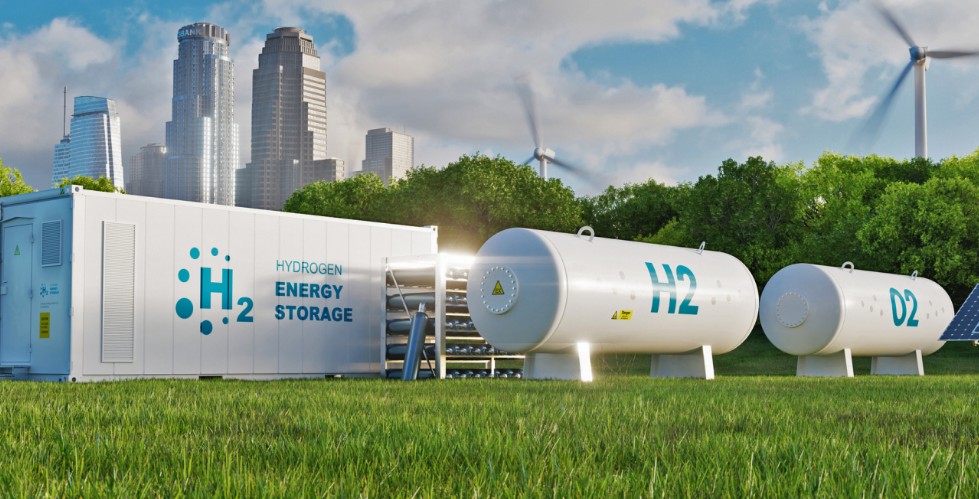
As the global energy landscape shifts away from fossil fuels, renewable alternatives like solar, wind, and bioenergy are gaining prominence. Among these, biogas has long played a role in turning organic waste into useful energy. Now, with advancements in technology and rising interest in clean fuels, hydrogen-enhanced biogas—or hydrogen biogas—is emerging as a cutting-edge development in the renewable energy sector.
This article explores what hydrogen biogas is, how it works, and why it represents a promising step forward in the search for sustainable, carbon-neutral energy solutions.
What Is Hydrogen Biogas?
Hydrogen biogas refers to biogas that has been enriched with hydrogen (H₂) during or after the anaerobic digestion process. Traditional biogas typically contains 50–70% methane (CH₄) and 30–50% carbon dioxide (CO₂), along with trace gases like hydrogen sulfide (H₂S) and moisture.
By injecting or producing hydrogen in conjunction with biogas, the methane content can be increased while carbon dioxide emissions are reduced. This results in a cleaner, more efficient fuel with broader applications.
Why Add Hydrogen to Biogas?
The key reason to integrate hydrogen into biogas systems is to improve methane yield and reduce CO₂ content. This is achieved through a chemical reaction known as the Sabatier reaction, where hydrogen reacts with carbon dioxide in the presence of a catalyst to form additional methane and water.
CO₂ + 4H₂ → CH₄ + 2H₂O
This process allows for:
- Higher methane content in the final gas
- Improved calorific value of the fuel
- Lower carbon emissions
- Increased overall energy efficiency
How Hydrogen Biogas Systems Work
There are two main ways hydrogen can be used in biogas systems:
1. Biological Methanation
Hydrogen is injected directly into an anaerobic digester where methanogenic microbes convert CO₂ and H₂ into CH₄ biologically. This method is simpler and operates under mild conditions.
2. Chemical Methanation
Hydrogen and CO₂ from biogas are reacted in an external reactor using a nickel-based catalyst at elevated temperatures (250–400°C). This method allows precise control and higher conversion rates.
Hydrogen used in these systems is ideally produced through electrolysis powered by renewable electricity, making the entire process green and sustainable.
Advantages of Hydrogen Biogas
- Carbon Neutral or Negative: When hydrogen is produced using green electricity and combined with CO₂ from organic waste, the system can be nearly carbon-neutral or even carbon-negative.
- Energy Storage Capability: Excess renewable electricity (e.g., from solar or wind) can be converted into hydrogen and stored within the methane-rich biogas as chemical energy.
- Gas Grid Compatibility: The resulting methane can be injected into existing natural gas infrastructure without the need for major modifications.
- Versatility: Hydrogen-enriched biogas can be used in electricity generation, heating, or as a transportation fuel.
Challenges and Considerations
Despite its promise, hydrogen biogas technology is still emerging and comes with several challenges:
- Hydrogen Production Cost: Green hydrogen remains expensive compared to fossil-based hydrogen or conventional biogas components.
- System Integration: Combining electrolysis units, digesters, and methanation reactors requires significant capital investment and technical expertise.
- Efficiency Trade-offs: There are energy losses in the conversion processes that must be optimized for economic viability.
- Policy and Regulation: The market for hydrogen biogas depends on supportive policies, incentives, and recognition in renewable energy frameworks.
Global Outlook and Future Potential
Countries like Germany, Denmark, and the Netherlands are investing heavily in hydrogen-based renewable gas technologies. Pilot projects are proving the technical feasibility of hydrogen biogas systems at scale. As green hydrogen production becomes cheaper and more widespread, these systems will likely play a crucial role in balancing renewable energy supply and demand, especially in regions with existing gas infrastructure.
In the long term, hydrogen biogas could be a key player in sector coupling—integrating electricity, gas, and transportation sectors into a unified, renewable-based energy system.
Hydrogen biogas represents an innovative convergence of two powerful renewable technologies—biogas and green hydrogen. By enhancing methane yield and enabling carbon reuse, this approach offers a cleaner, more efficient fuel pathway that supports climate goals and energy security.
 Manufacturer of biogas analyzer, landfill gas analyzer and extraction monitor, anaerobic digester gas analyzer