
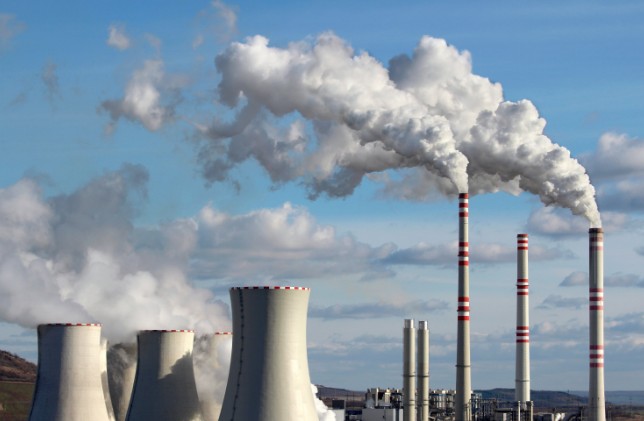
As global concerns about climate change intensify, the energy sector finds itself at a critical crossroads. The need to transition from fossil fuels to sustainable energy sources has never been more urgent. One promising alternative is biogas—a renewable fuel produced from organic waste through anaerobic digestion. But how does biogas truly compare to traditional fossil fuels? Is it capable of replacing them, or merely complementing them?
This article explores the key differences, environmental impacts, and energy potential of biogas versus fossil fuels, highlighting the role biogas can play in a cleaner, greener future.
Understanding the Basics
What Are Fossil Fuels?
Fossil fuels—such as coal, oil, and natural gas—are formed from the remains of ancient plants and animals buried deep underground for millions of years. When burned, they release energy but also emit large quantities of carbon dioxide (CO₂) and other pollutants.
What Is Biogas?
Biogas is produced by anaerobic digestion, where bacteria break down organic material like food waste, agricultural residues, and animal manure in the absence of oxygen. The resulting gas typically contains:
- Methane (CH₄): 50–70%
- Carbon dioxide (CO₂): 30–40%
- Trace amounts of hydrogen sulfide and other gases
Methane is the key energy component, similar to the natural gas found in fossil fuel deposits.

Environmental Impact
Greenhouse Gas Emissions
- Fossil Fuels: Burning fossil fuels is the largest single source of anthropogenic CO₂ emissions globally. Once extracted and burned, fossil carbon enters the atmosphere, contributing significantly to global warming.
- Biogas: The methane in biogas comes from recent biological processes, not ancient carbon. When burned, it releases CO₂ that was already part of the current carbon cycle, making it carbon-neutral when managed properly. Pollution
- Fossil Fuels: Their combustion releases not only CO₂ but also sulfur oxides, nitrogen oxides, and particulate matter, leading to air pollution, acid rain, and respiratory health issues.
- Biogas: Burns cleaner, with far fewer emissions of harmful pollutants. Additionally, the use of digestate as a fertilizer reduces the need for synthetic alternatives. Energy Efficiency and Availability Fossil Fuels
- Provide high energy density and are easily transported and stored.
- Existing infrastructure (power plants, pipelines, vehicles) is built around fossil energy.
- However, they are finite and increasingly difficult and expensive to extract. Biogas
- Lower energy density compared to natural gas.
- Best used locally to avoid the cost of purification and compression.
- Production can be scaled from small farms to large municipal systems.
- Dependent on a continuous supply of organic feedstock, but also helps manage waste. Economic Considerations
Fossil fuels benefit from decades of investment and government subsidies, making them cheaper in many markets. However, these prices often do not reflect their environmental costs.
Biogas systems have higher initial costs but offer long-term savings, especially in rural or off-grid areas. Additionally, biogas production:
- Creates local jobs
- Reduces waste disposal costs
- Produces valuable by-products like fertilizer
Governments can make biogas more competitive through policy support, subsidies, and carbon pricing.
Energy Security and Independence
Relying on fossil fuels, especially imports, exposes countries to geopolitical risks and market volatility. Biogas, by contrast, can be produced locally, enhancing energy independence and supporting rural economies.
In areas where fossil fuel infrastructure is weak or nonexistent, biogas offers a decentralized energy solution that can reduce reliance on expensive imports.
The debate between biogas fossil fuels is not just about energy output—it’s about sustainability, resilience, and long-term environmental responsibility. While fossil fuels have powered industrial progress for over a century, their environmental and economic drawbacks are becoming increasingly difficult to ignore.
 Manufacturer of biogas analyzer, landfill gas analyzer and extraction monitor, anaerobic digester gas analyzer