
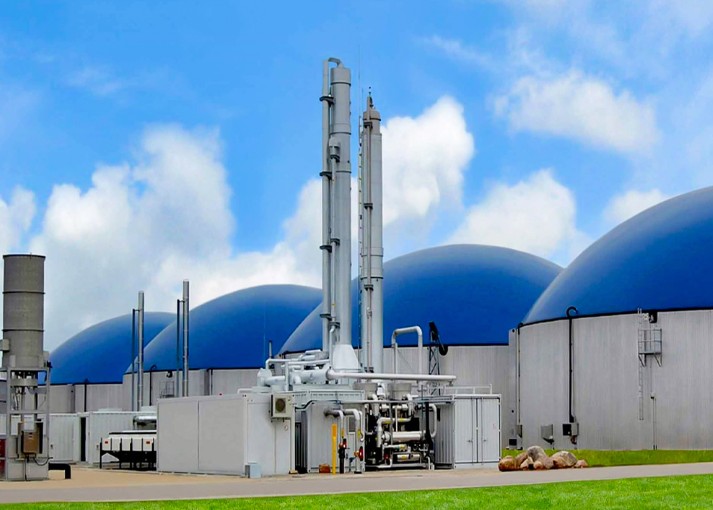
As the world intensifies efforts to combat climate change and reduce its dependence on fossil fuels, biogas has emerged as a compelling renewable energy source. At the heart of biogas lies methane (CH₄)—the primary component that makes it such a potent fuel. Understanding the role of methane in biogas systems is essential to unlocking the full potential of this clean energy solution.
This article explores the science behind biogas CH₄, how it is produced, and why it holds such promise for a sustainable energy future.
What Is Biogas?
Biogas is a type of biofuel produced through the anaerobic digestion of organic matter. This process involves microorganisms breaking down materials such as food waste, agricultural residues, and animal manure in the absence of oxygen.
The composition of biogas typically includes:
- Methane (CH₄): 50–70%
- Carbon Dioxide (CO₂): 30–50%
- Trace Gases: Hydrogen sulfide (H₂S), ammonia (NH₃), water vapor, and others
Among these, methane is the most important energy carrier.
Why Is CH₄ Important?
1. Energy Content
Methane is a high-energy gas. One cubic meter of pure methane contains approximately 10 kWh of energy, making it comparable to natural gas in terms of heat value. In a biogas context, the higher the CH₄ concentration, the more efficient the fuel.
2. Versatility
Biogas rich in CH₄ can be:
- Burned to generate electricity and heat
- Upgraded to biomethane for use in vehicles or injection into the natural gas grid
- Used as compressed biogas (CBG), an alternative to fossil-based CNG
3. Clean Combustion
Methane burns cleanly, producing primarily carbon dioxide and water vapor, with far fewer pollutants compared to coal, diesel, or petrol. It significantly reduces particulate matter, nitrogen oxides, and sulfur compounds in the air.
How Is CH₄ Formed in Biogas Production?
The production of CH₄ in biogas occurs through a multi-stage process of anaerobic digestion:
1. Hydrolysis – Complex organic materials (like carbohydrates and fats) are broken down into simple molecules.
2. Acidogenesis – These molecules are converted into volatile fatty acids.
3. Acetogenesis – Fatty acids are further broken down into acetic acid, hydrogen, and CO₂.
4. Methanogenesis – Methanogenic bacteria convert acetic acid and hydrogen into methane (CH₄) and carbon dioxide.
Factors Influencing CH₄ Content in Biogas
Several factors affect the CH₄ concentration in biogas:
- Type of Feedstock: Animal manure and food waste tend to yield higher methane content than plant-based residues.
- Temperature: Mesophilic (35–40°C) and thermophilic (50–60°C) conditions optimize microbial activity.
- Retention Time: The longer the material stays in the digester, the more complete the methane production.
- pH Level: A neutral pH (~7) is ideal for methanogens.
- C:N Ratio: A carbon to nitrogen ratio of around 25–30:1 promotes efficient digestion.

Applications of Methane-Rich Biogas
Electricity Generation
Biogas can power CHP (Combined Heat and Power) units that produce electricity and thermal energy for local use.
Vehicle Fuel
Upgraded biogas (biomethane) can be compressed and used in CNG-compatible vehicles, offering a renewable transport fuel alternative.
Cooking and Heating
In rural and off-grid areas, CH₄-rich biogas is used as a clean fuel for stoves and heaters, replacing firewood and reducing indoor air pollution.
Environmental Benefits
- Greenhouse Gas Mitigation: Controlled methane combustion turns CH₄ into CO₂, which is far less potent in terms of global warming potential.
- Waste Reduction: Diverts organic waste from landfills and reduces methane leaks from unmanaged decomposition.
- Carbon Neutrality: When derived from biomass, methane combustion is considered carbon-neutral, as the carbon was originally absorbed by plants.
Methane (CH₄) is the energetic engine of biogas and a critical element in the global transition to clean, renewable energy. Understanding how CH₄ is produced, optimized, and used can help governments, industries, and communities develop more effective strategies for reducing emissions and utilizing waste sustainably.
 Manufacturer of biogas analyzer, landfill gas analyzer and extraction monitor, anaerobic digester gas analyzer