

As the world intensifies efforts to reduce dependence on fossil fuels, Compressed Natural Gas (CNG) has emerged as a cleaner alternative, particularly in the transportation sector. What makes it even more sustainable is when CNG is derived from biogas—a renewable fuel produced from organic waste. A biogas to CNG plant plays a critical role in converting raw biogas into high-purity biomethane, compressed and ready for use as a clean, green vehicle fuel.
This article explains how a biogas to CNG plant works and why it represents a promising step toward a more sustainable energy future.
1. What Is Biogas?
Biogas is a mixture of gases, primarily:
- Methane (CH₄): 50–70%
- Carbon dioxide (CO₂): 30–50%
- Traces of H₂S, moisture, and other gases
It is produced by anaerobic digestion, a biological process where microorganisms break down organic material such as agricultural waste, food scraps, or sewage sludge in the absence of oxygen. During the biogas production process, a biogas analyzer is needed to monitor the composition of the biogas. For example, the OLGA2000 biogas online monitoring system uses advanced photoelectric sensing principles to detect and analyze methane (CH4), oxygen (O2), carbon dioxide (CO2), hydrogen sulfide (H2S) and other gases.
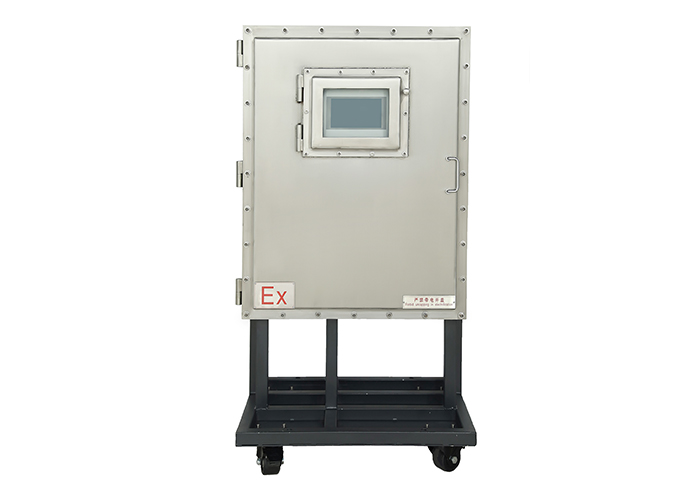
biogas online monitoring system OLGA2000
2. The Need for Purification
Raw biogas is not suitable for direct use in CNG applications. It must be upgraded to remove impurities and increase the methane concentration to more than 95%, making it equivalent in quality to natural gas. This upgraded biogas is often called biomethane.
3. The Biogas to CNG Conversion Process
Step 1: Biogas Collection
Biogas is collected from an anaerobic digester or landfill source and transported to the upgrading unit. This biogas is typically moist and contains various impurities.
Step 2: Biogas Cleaning and Upgrading
The upgrading process involves several steps:
- H₂S Removal: Hydrogen sulfide is toxic and corrosive. It is removed using iron oxide scrubbers or activated carbon filters.
- Moisture Removal: Biogas is dried using refrigeration or desiccant dryers to eliminate water vapor.
- CO₂ Removal: Methods such as pressure swing adsorption (PSA), water scrubbing, or membrane separation are used to remove carbon dioxide and increase methane concentration.
The result is high-purity biomethane, with over 95% methane content.
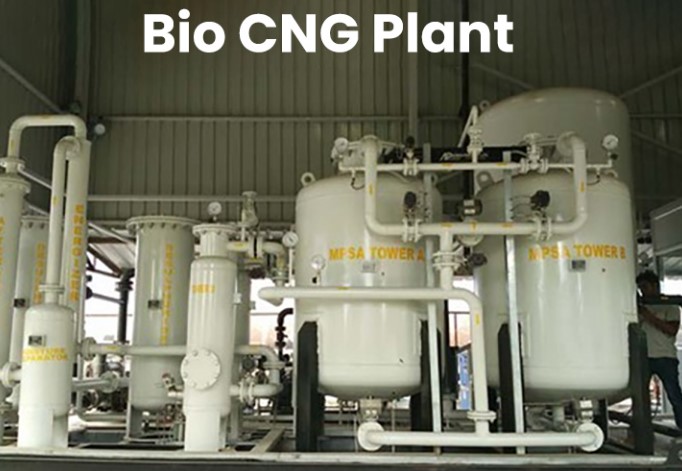
Step 3: Compression
The purified biomethane is compressed to pressures of around 200–250 bar using a CNG compressor. This makes it dense enough for storage and transportation.
Step 4: Storage and Dispensing
The compressed gas is stored in high-pressure cylinders or tanks. It can be:
- Dispensed at CNG filling stations for vehicles
- Injected into the natural gas grid
- Transported in tube trailers to off-grid locations
4. Environmental and Economic Benefits
Cleaner Emissions
Biomethane emits significantly fewer pollutants than diesel or gasoline:
- Up to 90% reduction in CO₂ emissions
- Almost zero particulate matter
- Lower NOx emissions
Waste Management
Converting organic waste into CNG helps reduce landfill use and methane leaks—both of which contribute to climate change.
Energy Independence
Biogas to CNG plants enable local energy production, reducing reliance on imported fossil fuels.
Economic Value
Biomethane can be sold or used for vehicle fleets, offering revenue opportunities for farmers, municipalities, and industries.
5. Applications of CNG from Biogas
- Public Transportation: Buses and taxis in cities
- Agriculture: Tractors and farm equipment
- Industry: Forklifts and backup generators
- Commercial Fleets: Delivery vans and logistics vehicles
A biogas to CNG plant is a smart and sustainable solution for turning organic waste into a clean, high-value fuel. By upgrading and compressing biogas, these plants close the loop between waste management and renewable energy production. As the world looks to cut emissions and embrace green technology, biogas-derived CNG offers a practical and scalable pathway to a cleaner future.
 Manufacturer of biogas analyzer, landfill gas analyzer and extraction monitor, anaerobic digester gas analyzer