

As the demand for sustainable energy solutions grows, biogas is taking center stage in the global transition to clean power. One company leading the charge in the United Kingdom is Warrens Emerald Biogas, a pioneer in transforming food waste into renewable energy. Located near Northallerton in North Yorkshire, this facility plays a vital role in the UK’s strategy to reduce landfill dependence and promote a circular economy.
This article explores how Warrens Emerald Biogas is turning organic waste into green energy and helping reshape the future of waste management and renewable fuel production.
Who Is Warrens Emerald Biogas?
Warrens Emerald Biogas is the North of England’s first commercial food waste anaerobic digestion (AD) facility. Launched in 2012, the plant was developed to tackle the growing challenge of food waste while generating sustainable energy in the form of biogas.
The company is part of Warrens Group, a waste collection and recycling service with over 70 years of experience. Their biogas facility receives food waste from supermarkets, restaurants, food processors, and local authorities.
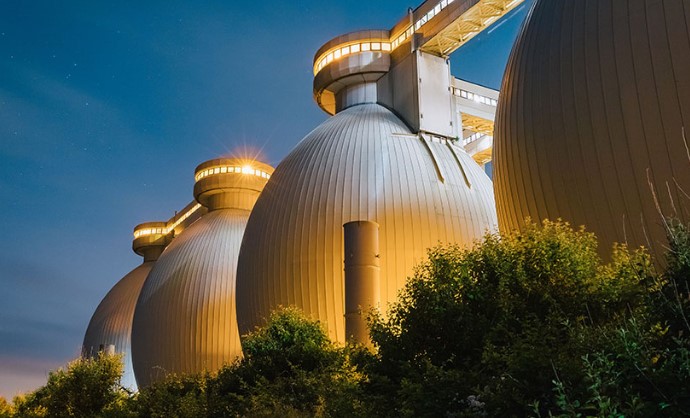
How the Process Works
At the heart of the operation is anaerobic digestion, a natural process where microorganisms break down organic material in the absence of oxygen. The resulting biogas is rich in methane (CH₄), which can be used to generate electricity, heat, or upgraded to biomethane for injection into the gas grid or use as vehicle fuel.
Key Inputs:
- Supermarket food waste
- Expired packaged goods (depackaged on site)
- Catering and kitchen waste
- Agricultural residues
Key Outputs:
- Biogas for renewable electricity and heat
- Biomethane for gas grid or transport use
- Digestate, a nutrient-rich by-product used as organic fertilizer
Environmental and Economic Impact
1. Reducing Landfill Waste
By diverting thousands of tonnes of food waste from landfills annually, Warrens Emerald Biogas helps minimize methane emissions from decomposing waste, which would otherwise be released into the atmosphere unchecked.
2. Renewable Energy Generation
The plant produces enough biogas to supply electricity to thousands of homes, reducing the need for fossil fuel-based power.
3. Circular Economy Support
The digestate produced is returned to agricultural land as a bio-fertilizer, closing the nutrient loop and reducing the need for chemical fertilizers.
4. Job Creation and Local Growth
The facility supports skilled employment in the region and has become a cornerstone of North Yorkshire’s green energy and waste management infrastructure.
Warrens Emerald Biogas stands as a model for how food waste can be transformed from an environmental burden into a valuable resource. By integrating waste collection, advanced digestion technology, and sustainable energy production, the company is leading the way toward a cleaner, more circular economy.
 Manufacturer of biogas analyzer, landfill gas analyzer and extraction monitor, anaerobic digester gas analyzer