
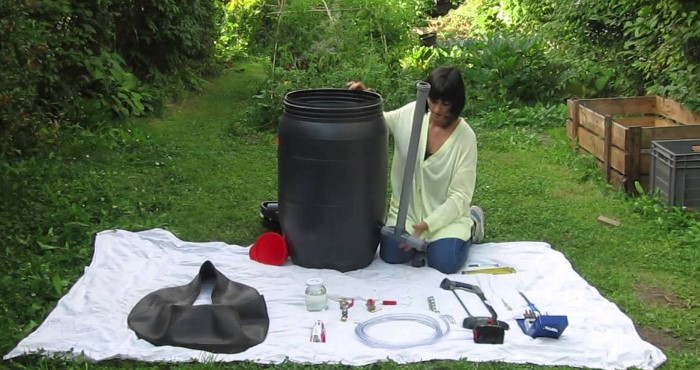
As concerns over rising energy costs and environmental degradation increase, more people are turning to sustainable, low-cost alternatives for everyday energy needs. One such solution is a homemade biogas plant—a simple system that allows individuals and small communities to produce clean fuel from organic waste. Whether you’re in a rural area with livestock or an urban home generating daily kitchen waste, a homemade biogas plant can be an effective way to reduce your reliance on fossil fuels and cut down on waste.
What Is a Homemade Biogas Plant?
A homemade biogas plant is a do-it-yourself system designed to convert organic materials like food scraps, cow dung, or plant waste into biogas—a mixture of methane and carbon dioxide. The methane can be used for cooking, lighting, or heating, while the leftover slurry becomes a nutrient-rich organic fertilizer.
Unlike industrial biogas units, homemade systems are compact, low-cost, and typically built using easily available materials such as plastic drums, old tanks, or PVC pipes.
How It Works
1. Feedstock Input
Organic waste (e.g., kitchen waste, animal manure, or garden clippings) is added to the digester through an inlet pipe.
2. Digestion Process
Inside an airtight container, naturally occurring bacteria break down the material. This process generates methane gas over a period of 1 to 2 weeks.
3. Gas Collection
The biogas rises to the top of the container or is stored in a separate gas holder and can be piped directly to a gas stove or burner.
4. Fertilizer Output
The remaining slurry exits through an outlet and can be used as compost or liquid fertilizer for plants.
5.Gas monitoring
Biogas analyzers, such as the GASCHEK1000 portable biogas analyzer, use advanced photoelectric sensing principles to detect and analyze methane (CH4), oxygen (O2), carbon dioxide (CO2), hydrogen sulfide (H2S) and other gases, and accurately report , while effectively checking the digestive process.

GASCHEK1000 portable biogas analyzer
Materials Needed for a Simple Homemade Biogas Plant
- Two plastic or metal drums (one for digestion, one for gas collection)
- PVC pipes and valves
- Rubber or plastic hose (for transferring gas)
- Organic waste (kitchen scraps, manure)
- Water (to mix with solid feedstock)
- Sealant or epoxy to make joints airtight
Advantages of a Homemade Biogas System
1. Low Initial Investment
Most DIY biogas plants can be built for a fraction of the cost of commercial systems, often using recycled or locally available materials.
2. Free Fuel Source
Once operational, the system produces biogas daily from waste you already generate—eliminating or reducing your need for LPG, firewood, or electricity for cooking.
3. Waste Management
The system reduces the amount of organic waste going to landfills, helping lower methane emissions and household garbage volume.
4. Eco-Friendly Fertilizer
The digestate is rich in nutrients and can replace chemical fertilizers in gardens and farms, supporting soil health and reducing water pollution.
5. Energy Independence
Especially in rural or off-grid areas, a biogas plant can provide a reliable source of fuel regardless of electricity supply or fuel prices.
Challenges and Considerations
- Temperature Sensitivity: Anaerobic digestion works best in warm temperatures. In colder climates, additional insulation or heating may be needed.
- Gas Pressure: Homemade systems may not always produce high-pressure gas, which can affect the performance of gas stoves or lamps.
- Safety: Biogas is flammable. Systems must be airtight and placed in well-ventilated areas to avoid gas leaks or fire hazards.
- Consistent Feeding: For regular gas production, you need a steady supply of organic waste and regular maintenance.
A homemade biogas plant is a practical and empowering step toward self-sufficiency and environmental responsibility. It demonstrates how innovation at the household level can reduce dependence on polluting fuels, save money, and contribute to a cleaner planet.
 Manufacturer of biogas analyzer, landfill gas analyzer and extraction monitor, anaerobic digester gas analyzer