
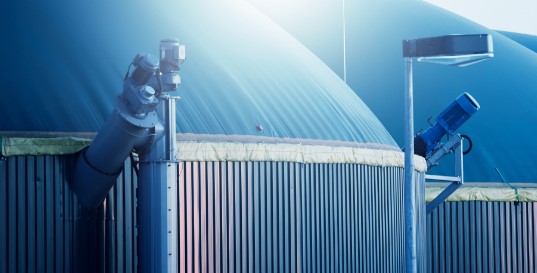
As the demand for renewable energy grows, biogas has emerged as a viable solution for both energy generation and waste management. Produced from the anaerobic digestion of organic waste, biogas primarily consists of methane and carbon dioxide and can be used for electricity, heating, or upgraded to biomethane for injection into natural gas grids or as vehicle fuel.
One of the key factors driving the adoption and investment in biogas technology is its selling price—the value at which biogas or its upgraded form is sold to consumers or the energy market. This price varies significantly across regions due to differences in government policy, energy infrastructure, market demand, and the cost of production. Here’s a closer look at the trends in biogas selling prices in different parts of the world.
1. Europe: High Demand and Strong Incentives
Europe is one of the most mature and supportive markets for biogas. Countries such as Germany, France, the Netherlands, and Italy have strong policies and subsidies that make biogas production and sales financially attractive.
- In Germany, biogas producers benefit from feed-in tariffs and long-term power purchase agreements (PPAs), often selling at rates of €0.15–€0.20/kWh.
- France offers premiums for green gas injected into the grid, and upgraded biogas (biomethane) can sell for €90–€100 per MWh, supported by government-backed contracts.
- The Netherlands has a robust green gas market, with biomethane fetching €80–€110 per MWh, depending on certifications and sustainability credits.
2. United States: Market-Driven with Renewable Fuel Incentives
In the United States, the selling price of biogas varies based on its end use and whether it qualifies for renewable fuel credits.
- Raw biogas used for electricity may sell for as low as $0.03–$0.06/kWh, depending on local utilities and incentives.
- Upgraded biogas used as Renewable Natural Gas (RNG) in transportation can be significantly more lucrative due to Low Carbon Fuel Standard (LCFS) credits in states like California. Selling prices here can exceed $15–$30 per MMBtu when combined with RIN (Renewable Identification Number) credits.
The U.S. market rewards producers who can access high-value segments like transportation or industrial RNG.
3. India: Cost-Sensitive but Growing Market
India has enormous biogas potential, particularly in rural and agricultural areas. The government is actively promoting compressed biogas (CBG) through its SATAT (Sustainable Alternative Towards Affordable Transportation) initiative.
- Biogas selling prices in India are generally in the range of INR 46–INR 55 per kg of CBG, which roughly translates to $0.55–$0.70 per kg.
- Prices vary based on agreements with oil marketing companies and the quality of the gas.
While margins are thinner than in Western markets, India’s vast waste streams and energy demand offer major growth potential.

4. China: Expanding Biogas Sector with Rural Focus
China has made significant investments in biogas for rural electrification, sanitation, and pollution control.
- The selling price of biogas for electricity generation is relatively low, around ¥0.25–¥0.40 per kWh ($0.03–$0.06), depending on the region and local tariffs.
- Government subsidies and tax incentives are key to making projects financially viable.
Although the price per unit is lower, China’s focus is on scaling biogas across agricultural and rural infrastructure rather than maximizing short-term profitability.
5. Africa and Southeast Asia: Emerging Markets with Infrastructure Challenges
In many countries across Africa and Southeast Asia, biogas is still in the early stages of development. Selling prices are heavily influenced by donor support, small-scale projects, and local energy alternatives.
- In countries like Kenya, Tanzania, and the Philippines, biogas is mainly used at the household or farm level, and its economic value is measured more by savings on firewood or LPG than by direct market sales.
- In areas with grid access, electricity from biogas may be sold at $0.08–$0.15/kWh, depending on feed-in tariffs.
As infrastructure and policy support improve, these regions are expected to see more commercial-scale biogas development.
Key Factors Influencing Biogas Selling Price
- Government Policy and Incentives: Feed-in tariffs, carbon credits, and subsidies can raise selling prices significantly.
- End Use: Biogas used for electricity may sell for less than upgraded biomethane used in transport or pipelines.
- Production Costs: Costs vary depending on feedstock availability, plant size, and technology used.
- Market Maturity: Established markets with supportive infrastructure tend to command higher prices.
- Certification and Sustainability: Biogas certified as sustainable or carbon-neutral may attract premium prices.
The selling price of biogas varies widely across the globe, shaped by local conditions, energy policies, and market maturity. While developed countries offer high returns through policy support and renewable fuel markets, emerging economies are focusing on accessibility, scalability, and environmental benefits. As global efforts to reduce carbon emissions accelerate, the value of biogas—both as a fuel and a climate solution—is set to grow, making pricing strategies a critical aspect of future energy planning.
 Manufacturer of biogas analyzer, landfill gas analyzer and extraction monitor, anaerobic digester gas analyzer